






Aaryamann's Fitness Quest
Archana Puran Singh's son, Aaryamann Sethi, and his fiancée, Yogita Bihani, have embarked on the demanding 75-Hard Challenge, a rigorous program designed
to enhance physical and mental fortitude. Their commitment involves abstaining from sugar and junk food, incorporating daily walks, and adhering to high-protein meals curated with a nutritionist's guidance. Witnessing their dedication, Archana, at 63, reminisced about her own consistent practice of taking an evening stroll for approximately 10 to 20 years. This personal anecdote, shared during a family vlog that also touched upon vision boards and the concept of manifestation, serves as a compelling springboard to examine the lasting advantages of adopting a regular walking routine from an early age.
The Power of Consistency
Dr. Swapnil Zambare, a consultant arthroscopy specialist at KIMS Hospitals, Thane, emphasizes that the true magic of walking lies in its consistency over extended periods. Engaging in regular walks for decades builds a robust foundation for joint health, cultivates muscular equilibrium, and bolsters cardiovascular fitness. This sustained activity acts as a buffer against age-related degeneration, particularly in critical areas like the knees, hips, and lower back. Individuals who consistently incorporate walking into their lives often maintain superior posture, enhanced balance, and greater mobility well into their fifties and sixties, showcasing the profound long-term impact of this accessible exercise.
Orthopedic Advantages Unveiled
From an orthopaedic standpoint, walking stands out as a remarkably potent habit due to its low-impact, weight-bearing nature. This characteristic allows it to nourish joint tissues without imposing undue stress. Regular ambulation significantly improves blood flow to the cartilage, which is crucial for its health and function. Furthermore, it strengthens the muscles that support the joints and helps maintain the suppleness of ligaments. Dr. Zambare highlights that, in contrast to more intense workout regimens, walking is inherently sustainable. When performed correctly, it can be maintained for many years, even decades, without leading to injury, making it an ideal choice for long-term physical well-being.
Preventing Future Ailments
The link between early-life walking habits and the prevention of joint problems later on is undeniable, according to Dr. Zambare. He asserts that many common midlife ailments, such as knee pain, the onset of osteoarthritis, and general joint stiffness, are frequently traceable to a lack of physical activity or underdeveloped supporting muscles in younger years. Consistent walking plays a vital role in weight management, thereby reducing the pressure exerted on joints, particularly the knees. Even dedicating just 30 to 40 minutes daily to walking can yield significant, noticeable improvements in joint health over the passage of time.
Practical Walking Guidance
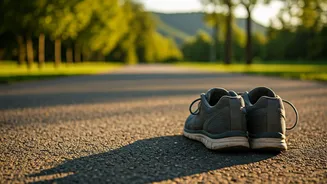
When embarking on a walking routine, several practical considerations are paramount. Crucially, investing in footwear with adequate cushioning and proper arch support is essential to protect your feet and joints. It is advisable to walk on even, stable surfaces to minimize the risk of trips and falls. Maintaining an upright posture throughout your walk is beneficial for spinal alignment and overall body mechanics. Individuals experiencing knee or back issues should avoid excessive speed. Most importantly, cultivating an awareness of your body's signals is key; mild muscle soreness post-exercise is normal, but persistent pain indicates that you should reassess your approach or consult a professional. The message is clear: it's never too late to start.
Embarking on the Journey
The wisdom imparted by Dr. Zambare emphasizes that beginning a walking regimen should be approached gradually, focusing on steady progress rather than striving for immediate perfection. The core principle is consistency. By starting slowly and building up endurance over time, individuals can safely integrate walking into their lives. Dr. Zambare beautifully encapsulates the essence of this habit, stating that walking transcends being merely a form of exercise; it represents a proactive investment in one's future mobility and the comfort with which one will navigate the world in the years to come. This perspective transforms walking from a chore into a vital component of long-term health and well-being.