




Arvari: Rajasthan's Revival
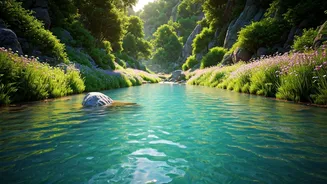
The Arvari River, a 90 km waterway in Rajasthan's Alwar district, stands as a powerful symbol of ecological resilience. Once facing a dry fate, this river
was painstakingly revitalized through the dedicated efforts of local communities focused on water conservation. Its transformation serves as an inspiring model for river restoration projects across the nation, showcasing how grassroots initiatives can breathe life back into dwindling water bodies and ensure their continued flow and ecological health. This success story highlights the profound connection between local populations and their natural resources.
Zuari: Goa's Coastal Flow
Flowing for approximately 92 km, the Zuari River is a significant, though relatively short, waterway in the picturesque state of Goa. This river embarks on a westward journey, eventually meeting the vast Arabian Sea. Its estuarine system is of paramount importance to the region's biodiversity, providing critical habitats for a variety of flora and fauna. The Zuari's presence profoundly influences Goa's coastal environment and supports numerous ecological processes essential for the health of its marine and terrestrial ecosystems.
Mandovi: Goa's Lifeline
The Mandovi River, extending about 77 km, is a vital artery that originates in the verdant Western Ghats of Karnataka before making its way through Goa. This river is more than just a body of water; it is integral to the state's economy and culture. It facilitates crucial transportation networks, supports a thriving fishing industry, and is a significant draw for tourism, showcasing the natural beauty and cultural richness of the region. Its consistent flow and accessibility make it indispensable for daily life and economic activities in Goa.
Aghanashini: Undammed Wonder
Spanning 121 km, the Aghanashini River in Karnataka is a rare gem as one of India's few major rivers that flow freely without the obstruction of large dams. This unique characteristic allows its ecosystem to function naturally, supporting an extraordinary level of biodiversity. As it empties into the Arabian Sea, the Aghanashini contributes significantly to the marine environment and provides a sanctuary for numerous species. Its undammed status ensures the river's natural flow and its ability to sustain a rich and diverse ecological web.
Sharavathi: Home of Jog Falls
At approximately 128 km, the Sharavathi River is renowned throughout India for being the source of the majestic Jog Falls, one of the country's highest waterfalls. Originating in the Western Ghats, this westward-flowing river carves a dramatic path through the landscape. Beyond its spectacular natural wonder, the Sharavathi plays a vital role in the region's hydrology, contributing to the unique ecosystem of the Western Ghats and supporting the surrounding natural beauty and biodiversity.
Palar: Seasonal Journey
The Palar River has an active flow of about 93 km, though its basin extends much further across Karnataka, Andhra Pradesh, and Tamil Nadu. This river is largely seasonal, its volume and presence fluctuating significantly with the monsoon cycles. Despite its intermittent nature, the Palar is crucial for the regions it traverses, providing water for agricultural and domestic use during its flowing periods and shaping the local landscape and community life.
Meenachil: Kerala's Heart
Flowing for roughly 78 km, the Meenachil River is a central waterway in Kerala, gracefully draining into the expansive Vembanad Lake. This river is deeply interwoven with the agricultural practices and local livelihoods of the communities it serves. Its waters are essential for irrigating farmlands and supporting the daily needs of the people, making it a cornerstone of economic activity and a vital component of Kerala's rural identity and sustenance.
Kallada: Ghats to Lake
The Kallada River, measuring around 121 km, originates high in the Western Ghats mountain range and eventually flows into the tranquil Ashtamudi Lake. This river is of considerable importance for regional development, particularly for its role in supporting irrigation projects that sustain agriculture and for its potential in hydroelectric power generation. Its consistent water supply and strategic location make it a valuable resource for both environmental and economic initiatives in its catchment area.
Tunga: Scenic Tributary
The Tunga River, a significant tributary of the larger Tungabhadra River, stretches for about 147 km. Emerging from the Western Ghats, it is celebrated for its exceptionally clean waters and the picturesque landscapes it meanders through. The Tunga not only contributes essential water resources but also enhances the natural beauty of Karnataka, offering serene vistas and supporting the delicate ecological balance of the region, making it a cherished natural asset.
Netravati: Coastal Connector
At approximately 103 km, the Netravati River, while relatively short, is indispensable to the coastal region of Karnataka, particularly near Mangaluru. This river plays a critical role in supplying vital drinking water to urban and rural populations and is crucial for agricultural activities in its basin. Its consistent flow into the Arabian Sea ensures the sustenance of local communities and ecosystems, underscoring the importance of even shorter rivers in India's water security.