
The Faded Allure of Gray
Once the epitome of modern neutrality, gray carpeting has unfortunately fallen out of favor. According to interior designer Chris Goddard, it often imparts
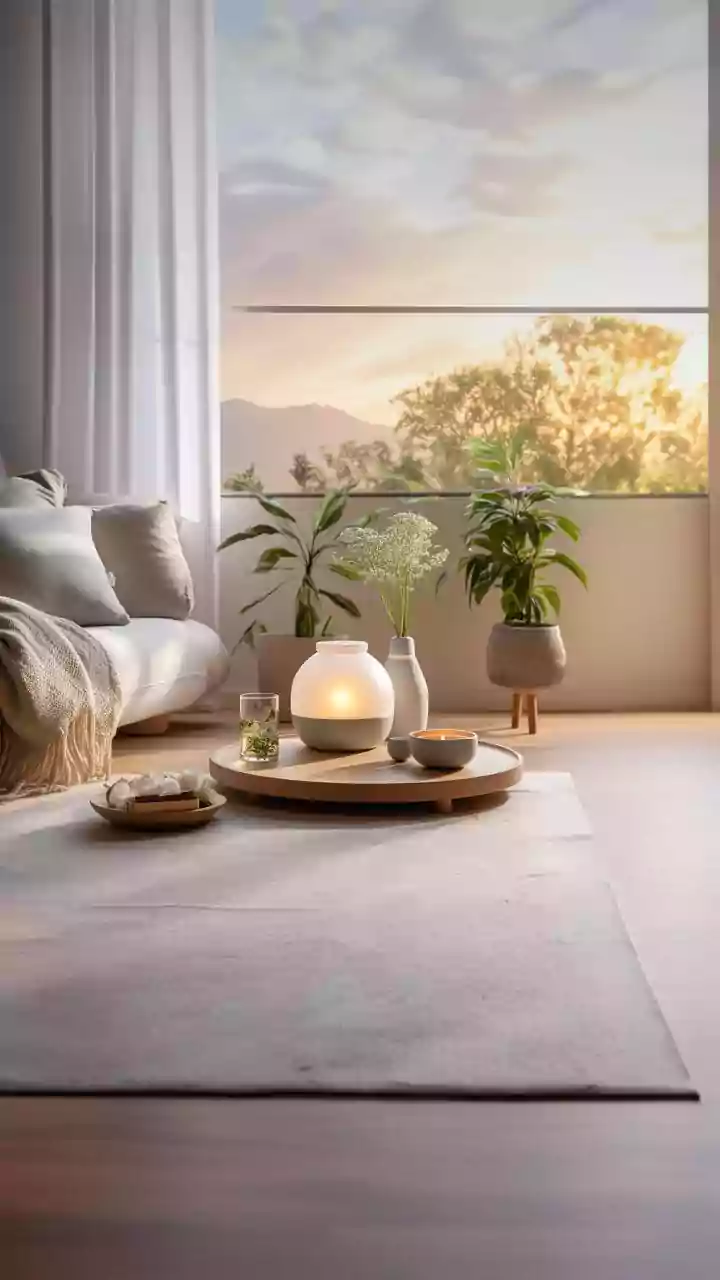
a "contractor-grade" and budget-friendly feel to a space, diminishing its inherent character. While gray walls can foster a sense of calm, a gray carpet can inadvertently render a room frigid and nondescript, reminiscent of a sterile office environment. If your heart is set on a neutral palette that still breathes life into your home, consider opting for natural fibers like sisal or jute, or a tightly woven wool rug in a sand tone. These textures bring a refreshing, organic vibe while retaining the universal appeal of a versatile neutral.
The Berber Carpet Quandary
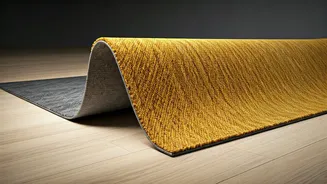
Wall-to-wall Berber carpet, a style that surged in popularity during the 1980s and 1990s, is now considered a relic of the past. Its initial appeal stemmed from its affordability and the casual, looped texture that offered a departure from more formal carpet styles of the era. However, Goddard notes that its once-praised practicality and subtle aesthetic now simply appear dated. The inherent looped construction of Berber makes it a magnet for dust and debris, a problem exacerbated by the fact that it frequently comes in muted shades, making it exceptionally difficult to conceal dirt and stains, thus detracting from its intended low-maintenance appeal.
Beware of Bold Prints
The mid-20th century, particularly the 1950s and '60s, saw a reign of bold, patterned carpets featuring geometric motifs, floral designs, and abstract compositions. While the allure of resurrecting these vintage aesthetics is strong, Goddard strongly advises caution. He suggests that large graphic prints or intricately woven carpets can transform a living space into something akin to a cinema lobby or a budget hotel, diminishing its sophistication. Furthermore, such dominant flooring makes furniture coordination a significant challenge, and once the floor becomes the focal point, integrating other decorative elements without overwhelming the room becomes an intricate balancing act.
Beige: The Time Warp
Much like gray, beige has long been perceived as a safe, fail-safe option for flooring. While it undeniably provides a neutral foundation, it carries a significant risk of making your home feel stuck in an '80s time warp. Beyond its dated aesthetic, beige is notoriously unforgiving when it comes to revealing the wear and tear of daily life. Goddard points out that these light neutrals, while initially pristine, quickly succumb to visible dirt and the general aftermath of household activity within weeks. In an era where interior design champions individuality and personal expression, beige carpets can come across as a lack of choice, a passive surrender to convention rather than an active design decision.
Blues and Greens: Intentionality is Key
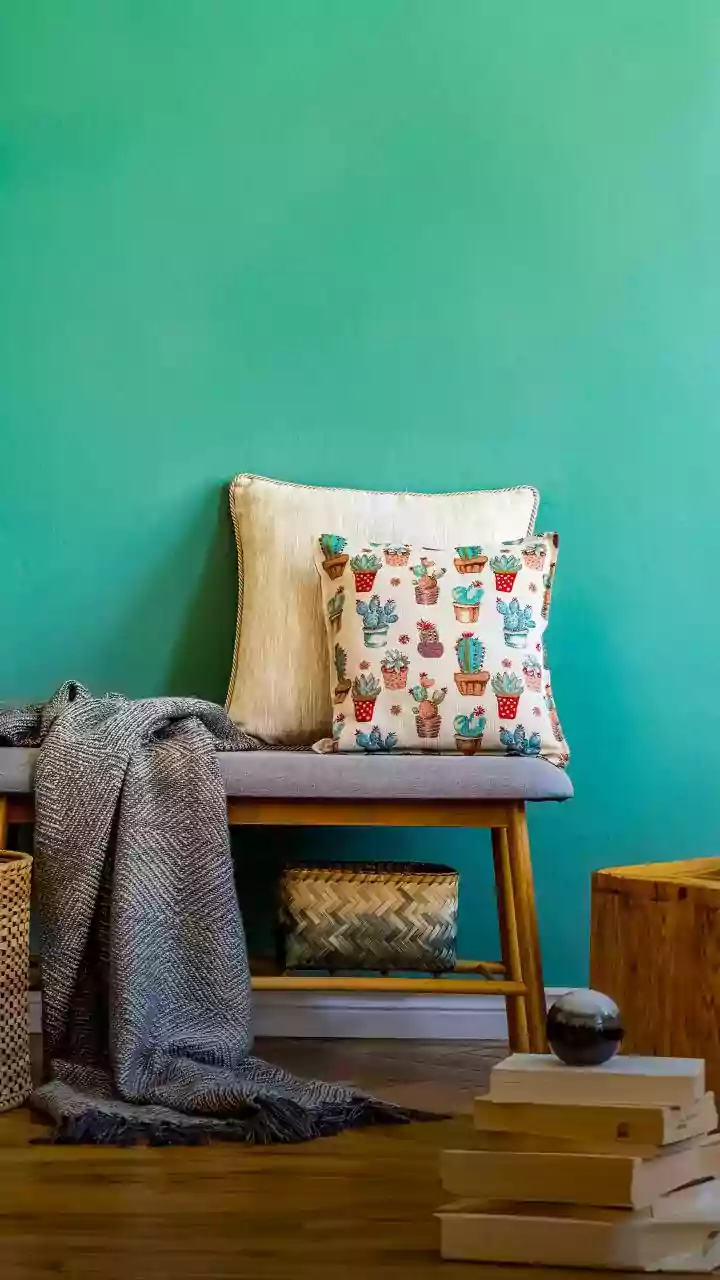
For many who came of age in the latter half of the 20th century, rooms adorned with blue or green carpets – from avocado and emerald to navy and vibrant turquoise – are a common childhood memory. These colors, prevalent from the 1960s through the 1980s, can certainly evoke a strong sense of nostalgia. However, Goddard isn't entirely against their reintroduction into contemporary interiors; his caveat lies in intentional application. He advocates for the sophisticated potential of deep-hued carpets, suggesting that blues and greens, perhaps even in a light shag texture, can be stunning when paired with walls and trim saturated in the same commanding color. This approach cultivates a chic, immersive, and moody atmosphere.