






The Overactive Alert System
Anxiety is often misconstrued as a simple lack of mental control, but from a biological perspective, it's a sophisticated defense mechanism that has become
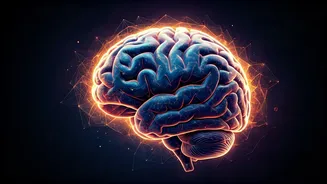
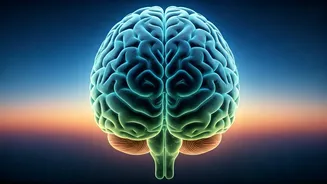
overly sensitive. Instead of a weak mind, an anxious brain is one functioning at an extremely high level of vigilance. This state is orchestrated by three primary brain structures: the amygdala, which flags potential threats; the locus coeruleus, responsible for arousal; and the prefrontal cortex, the 'executive' that should ideally regulate these responses. When the amygdala and locus coeruleus are on constant high alert and the prefrontal cortex's 'off switch' is diminished, the brain becomes flooded with stress hormones, creating a persistent feeling of unease and readiness for danger, even when no immediate threat exists. This neurological overactivity explains why anxiety can feel so pervasive and difficult to shake with mere mental effort.
Why 'Just Relax' Fails
Telling someone with an anxious brain to 'just relax' is akin to asking a car with a faulty accelerator to simply stop accelerating; it ignores the underlying biological imperative. The anxious brain isn't merely engaged in excessive rumination; it's physiologically wired to perceive and react to threats, whether real or imagined. This constant anticipatory state manifests in physical symptoms like a racing pulse, jitteriness, and an inability to concentrate, all driven by the body's fight-or-flight response being perpetually activated. Because the root of anxiety is biological, overcoming it necessitates a direct engagement with the body's physiological systems, not solely through cognitive reappraisal or willpower. Interventions must address the body's alarm signals to effectively interrupt this ingrained pattern.
Breathing for Calm
Harnessing the power of controlled breathing offers a potent and accessible method to recalibrate an overstimulated nervous system. By intentionally slowing down our breath, we send a direct signal of safety to the brain, effectively overriding the stress response. Structured breathing exercises, such as inhaling for four seconds and exhaling for six, are particularly effective. This deliberate pace stimulates the parasympathetic nervous system, the body's natural calming mechanism, which counteracts the sympathetic 'fight or flight' response. Regular practice of these breathing techniques can gradually lower the brain's baseline anxiety levels, fostering a more resilient and peaceful internal state over time by reinforcing the perception of safety.
Sleep, Movement, and Gut Health
Physical well-being plays a crucial role in managing anxiety by influencing brain chemistry and stress resilience. Adequate sleep is paramount, as it significantly reduces emotional reactivity and enhances the capacity to cope with stress. Furthermore, engaging in regular physical activity, ideally 20 to 30 minutes daily, has a profound impact on mood regulation. Exercise helps to balance vital neurotransmitters like serotonin and dopamine, which are essential for emotional stability. The connection extends to gut health, too; the gut microbiome influences the production of neurotransmitters like GABA, a key inhibitory neurotransmitter that promotes calmness. Therefore, a holistic approach incorporating sleep, movement, and a balanced diet is vital for creating a more stable emotional environment.
Rewiring Through Mindfulness
Beyond physiological interventions, cultivating specific cognitive habits can powerfully reshape an anxious brain's default settings. Practices like mindfulness and grounding techniques serve to redirect attention away from potential future dangers and firmly anchor awareness in the present moment. By consciously observing thoughts and sensations without judgment, individuals can learn to detach from anxious narratives. Recognizing the subtle early physiological signs of escalating anxiety—such as a quickening heartbeat or racing thoughts—empowers individuals to implement coping strategies before the anxiety response becomes overwhelming. These mental skills act as sophisticated neurobiological tools, working in concert with physical strategies to restore equilibrium.
When to Seek Support
While self-regulation techniques are invaluable for managing everyday anxiety, persistent or debilitating symptoms warrant professional intervention. Seeking guidance from a healthcare professional is crucial for developing structured plans tailored to individual needs. Therapies and strategies provided by experts can be instrumental in retraining the brain's ingrained stress responses more effectively than self-directed methods alone. Early intervention is key; it allows for the implementation of targeted approaches that can prevent anxiety from becoming a chronic and overwhelming aspect of life, ultimately fostering a more balanced and adaptive relationship with stress.