



Gather Your Supplies
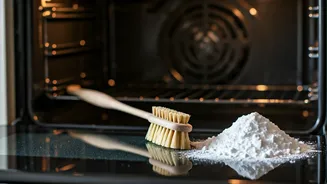
To embark on this oven-cleaning journey, you'll need a few readily available household essentials. The star ingredient is baking soda, a natural, gentle
abrasive and deodorizer perfect for lifting tough messes. Complementing this is distilled white vinegar, which enhances cleaning power by cutting through greasy films. You'll also require a sponge for application and scrubbing, several microfiber cloths for thorough wiping, and a spray bottle to hold your cleaning solutions. Having these items on hand ensures you're well-prepared for a successful and satisfying oven transformation.
Initial Steam Treatment
Begin by clearing your oven of any removable items like racks, thermometers, or liners. To significantly ease the cleaning process, start with a steam treatment. Place a large oven-safe bowl filled with cool water inside the oven. Set the oven to 450°F and let it run for 30 to 60 minutes, depending on the severity of the grime. Once the timer is up, turn off the oven and resist the urge to open the door. Allow the oven to cool completely. This steaming process will soften stubborn, baked-on food particles, making them much easier to remove in the subsequent steps.
Crafting the Baking Soda Paste
Prepare a potent yet gentle cleaning paste by combining one cup of baking soda with two tablespoons of water in a small bowl. Stir until you achieve a consistency that is spreadable, akin to thick frosting. If you have a larger oven or particularly stubborn grime, feel free to double this recipe. For an extra boost in tackling greasy residues, you can enhance the paste by substituting one tablespoon of water with one tablespoon of a degreasing dish soap. This simple mixture forms the core of our effective, non-toxic oven cleaning solution.
Applying the Paste
With your baking soda paste ready, it's time to apply it to the oven's interior surfaces. Using a sponge or even a clean paintbrush, spread the paste evenly across the oven walls, floor, and the inside of the door glass. This paste is safe for use on both metal components and glass surfaces. Crucially, avoid applying the paste to any electrical heating elements or gas vents, as this could damage them. Once applied, close the oven door and let the paste work its magic for a minimum of one hour, or preferably overnight, to allow it to penetrate and loosen the baked-on grime.
Cleaning the Oven Racks
While the baking soda paste is diligently working inside the oven, turn your attention to the racks. A common method is to place the racks in an empty sink, bathtub, or large, heavy-duty plastic garbage bags. Generously spray them with distilled white vinegar, followed by a good sprinkle of baking soda. Allow the initial foaming reaction to subside. Then, add hot water to cover the racks completely, whether in the sink, tub, or bag, and let them soak for at least an hour, or overnight for heavily soiled racks. This soaking process will help lift grease and grime.
Final Wipe Down
After the baking soda paste has had ample time to soften the dirt, it's time for the final clean. Begin by wiping down all the treated oven surfaces with a damp sponge or a microfiber cloth. For any particularly stubborn spots that remain, sprinkle a little dry baking soda directly onto your sponge to provide gentle scrubbing power. To remove any lingering residue, prepare a rinsing solution by mixing equal parts water and distilled white vinegar in a bucket. Use a clean sponge or cloth to wipe away all remaining traces of the baking soda mixture. Finally, remove the cleaned oven racks from their soak, wipe them down, dry them thoroughly, and reinsert them into your now spotless oven.
Cleaning Frequency & Tips
The ideal time to clean your oven depends on how frequently you use it. Immediate attention to spills and overflows as soon as the oven is cool enough to handle safely is always best. For a general upkeep, a seasonal deep clean is recommended, or whenever you notice smoke or a greasy odor emanating from the oven during operation. To help maintain cleanliness longer, consider covering dishes when cooking to prevent splatters, avoid overfilling baking pans to prevent overflows, and wipe up spills promptly. Utilizing the oven's self-cleaning feature, if available, can also aid in keeping it tidy.