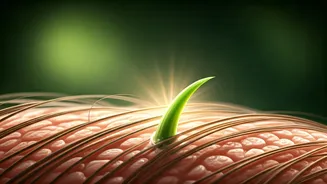








Understanding Hair Loss
Experiencing hair thinning can be a significant blow to one's confidence, often leading men to seek quick fixes. While genetic factors and hormones play
a major role in male pattern baldness, it's important to understand that drastic overnight regrowth from natural remedies is not a realistic expectation. However, many home-based solutions can effectively contribute to a healthier scalp environment, slow down the rate of hair shedding, and improve the vitality and appearance of the hair you currently have. Setting realistic expectations is crucial when embarking on this journey towards healthier hair.
Potent Onion Juice
Onion juice, despite its strong odor, is a popular home remedy for hair concerns due to its high sulfur content. Sulfur is a vital component in the formation of keratin, the protein that makes up hair, and it also aids in enhancing blood circulation to the scalp. Improved blood flow can stimulate hair follicles and potentially help restart dormant ones, contributing to hair regrowth in patchy areas. To utilize this remedy, blend or grate an onion to extract its juice. Apply it directly to your scalp and let it sit for approximately 20 to 30 minutes before thoroughly washing it off. It's advisable to use this treatment a couple of times per week, but be mindful of its lingering smell before social engagements.
Nourishing Coconut Oil
Coconut oil has been a staple in hair care for centuries, celebrated for its ability to reduce protein loss from the hair shaft and maintain scalp moisture. While it may not resurrect lost follicles, its true benefit lies in the act of scalp massage. Gently massaging warm coconut oil into your scalp for 5 to 10 minutes boosts blood circulation, delivering more oxygen and nutrients to the hair roots. For optimal results, leave the oil on for an hour or even overnight before washing. Consistent application, rather than sporadic use, is the key to experiencing the benefits of coconut oil for maintaining existing hair health.
Soothing Aloe Vera
Aloe vera is an excellent choice for individuals experiencing scalp discomfort, such as itchiness, flakiness, or tightness. Its cooling properties can help calm irritation and combat dandruff, thereby creating an optimal 'soil' for hair to grow. Think of aloe vera as essential scalp maintenance rather than a direct hair regrowth solution. It ensures the scalp is healthy and receptive to hair growth. For application, use fresh gel extracted from an aloe vera leaf. Apply it to the scalp and allow it to remain for about 40 minutes before rinsing. This will leave your scalp feeling refreshed and revitalized.
Strengthening Fenugreek
Fenugreek, a traditional remedy in many households, offers significant benefits for hair strength. It is rich in protein and nicotinic acid, both crucial for robust hair. While it won't miraculously produce a full head of hair overnight, fenugreek paste can notably improve the structural integrity of existing hair strands, making them less prone to breakage. To prepare it, soak fenugreek seeds in water overnight, then grind them into a fine paste. Apply this paste to your hair and scalp. Beyond strengthening, it also leaves your hair feeling remarkably soft.
Revitalizing Rosemary Oil
Rosemary oil has emerged as a promising contender in natural hair care, supported by research suggesting its effectiveness may rival that of Minoxidil, a common hair regrowth medication, when used consistently over several months. As a vasodilator, it helps widen blood vessels, thereby improving blood flow to the hair follicles. It's crucial never to apply rosemary oil directly to the scalp, as it is highly concentrated. Instead, mix a few drops with a carrier oil, such as coconut or jojoba oil, before massaging it into your scalp.
Antioxidant Amla
Amla, also known as Indian Gooseberry, is a nutritional powerhouse and a cornerstone of traditional Indian wellness practices. It is exceptionally rich in Vitamin C, which acts as a potent antioxidant. This helps combat oxidative stress that can prematurely age hair follicles, leading to issues like greying and damage. While often used to prevent these signs of aging and protect hair, amla also serves as an excellent tonic for maintaining a resilient and healthy scalp, which is foundational for good hair health.
Dietary Importance
Focusing solely on topical treatments can be counterproductive if your internal nutrition is lacking. Hair is considered a non-essential tissue by the body; therefore, during periods of nutrient deficiency, the body prioritizes vital organs by diverting essential nutrients away from hair. A balanced diet is paramount. Ensure adequate intake of protein, found in eggs, chicken, and lentils, as hair is primarily composed of protein. Iron from sources like spinach and lentils is crucial, as iron deficiency is a common cause of hair thinning. Including healthy fats from nuts and seeds contributes to natural shine and overall scalp health.
Realistic Expectations
It's essential to have a clear understanding of what home remedies can and cannot achieve, particularly concerning male pattern baldness (MPB), which is largely influenced by DHT hormones. These natural treatments are not designed to magically reverse significant hair loss caused by genetic factors. Their primary benefits lie in slowing down the shedding process, improving the texture and thickness of existing hair, and cultivating a healthier scalp environment. They cannot revive hair follicles that have been dormant for many years. For substantial regrowth in cases of genetic balding, medical treatments like Minoxidil or Finasteride are typically required.
Patience and Consistency
A common pitfall in pursuing natural hair regrowth is impatience; expecting a full head of hair in a matter of weeks is unrealistic, as visible changes often take months. Another mistake is the 'shotgun' approach, trying numerous remedies simultaneously, which can irritate the scalp. Stress management is also critical, as elevated cortisol levels can negatively impact hair health. While no single ingredient acts as a magic wand, these remedies collectively offer support by reducing breakage and inflammation, creating an optimal environment for hair to thrive. Sticking to one or two methods consistently and maintaining realistic expectations are key to long-term hair health.