



The Power of Massage
Scalp massage is a time-tested method for improving hair health, renowned for its ability to enhance blood circulation. By physically stimulating the scalp,
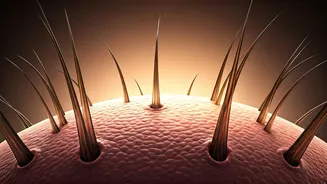
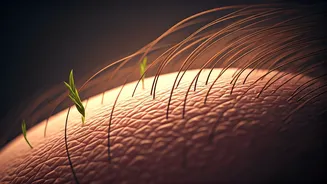
this practice increases the flow of oxygen and essential nutrients to the hair follicles, which is crucial for promoting robust hair growth and reducing shedding. Beyond just nutrient delivery, the mechanical action of massaging can also exert a beneficial stretching effect on dermal papilla cells at the base of hair follicles, signaling them to produce thicker, stronger strands. While not a panacea for advanced baldness, consistent scalp massage offers a natural, side-effect-free approach to fostering a healthier scalp environment and supporting the vitality of existing hair, making it a valuable component of any hair care regimen for those experiencing thinning.
Regrowth Potential
While scalp massage isn't a guaranteed cure for significant hair loss, its effectiveness in addressing bald spots depends on the underlying cause. In cases where thinning is linked to stress, poor circulation, or a temporary resting phase of the hair follicle, regular massage can be instrumental in reigniting growth. However, for hair loss that has persisted for many years, resulting in permanently dormant follicles, the impact of massage might be less dramatic. Nevertheless, cultivating a healthy scalp through massage provides an optimal foundation for any other hair regrowth treatments to be more successful. Even if dramatic regrowth isn't achieved, the scalp benefits from increased health and vitality, making it a worthwhile practice with no downside.
Optimal Timing Strategy
The timing of your scalp massage plays a role, but consistency is far more critical for tangible results. Consider incorporating it as part of your bedtime routine, allowing your body’s natural repair processes to work in tandem with the massage. Alternatively, pre-wash massages can enhance the penetration of hair oils and treatments into the scalp. A post-shower session is also beneficial when pores are open and the scalp is clean, maximizing stimulation. The most crucial guideline is frequency: aim for at least 4–5 sessions per week. Infrequent massages, like once a month, will yield minimal to no noticeable improvement. Dedicating about 10 minutes each session will significantly contribute to achieving desired outcomes over time.
Mastering the Technique
Effective scalp massage relies on simple, accessible tools – your hands. Begin by preparing your scalp, either dry or with a light oil like jojoba or rosemary. Crucially, use the fleshy pads of your fingertips, not your nails, to avoid causing micro-tears and damaging hair roots. Start at your hairline, moving in slow, deliberate circular motions towards the crown and down to the nape of your neck. Apply moderate pressure; it should feel firm enough to move the scalp skin over the bone, but not painful. Dedicate approximately 3 minutes to specifically target thinning areas with concentrated circular movements. Conclude with a gentle 'tug and tap' motion, lightly tapping the scalp and giving small sections of hair a very mild tug to stimulate nerve endings. Aim for a total massage duration of 10–15 minutes.
Enhancing with Oils
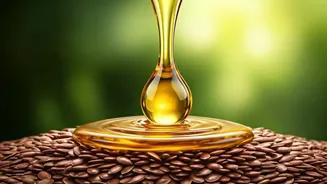
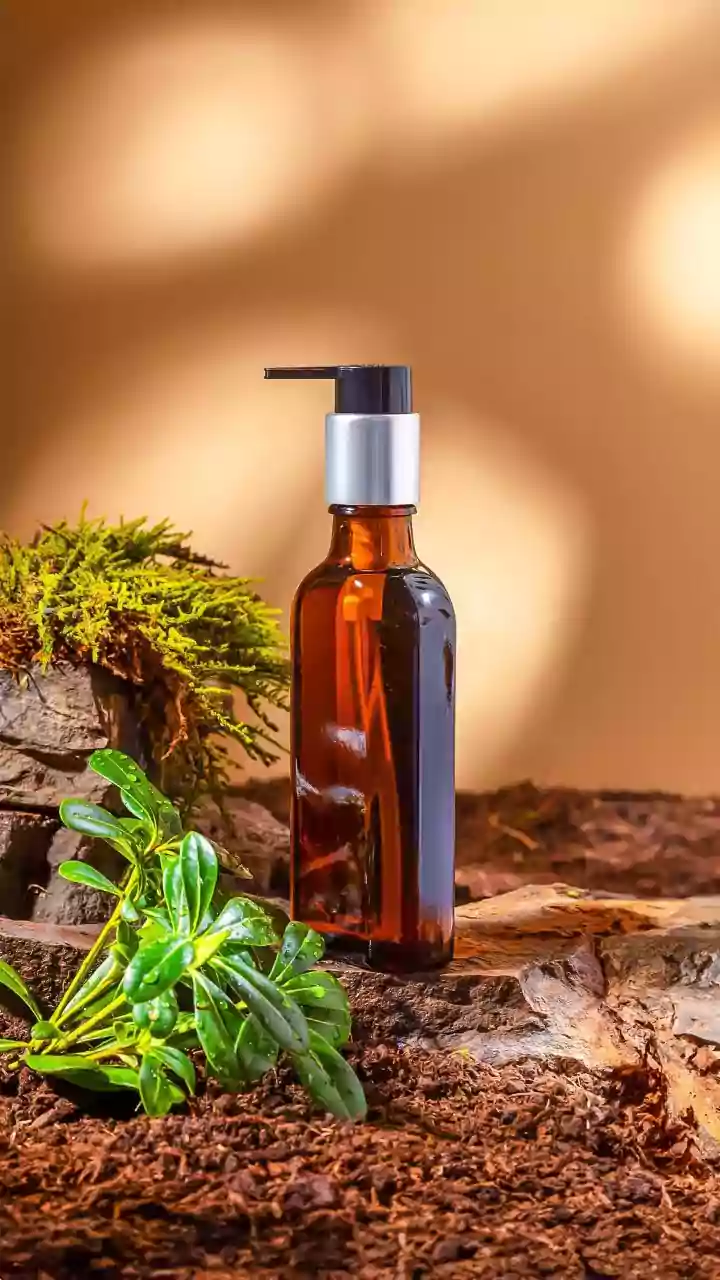
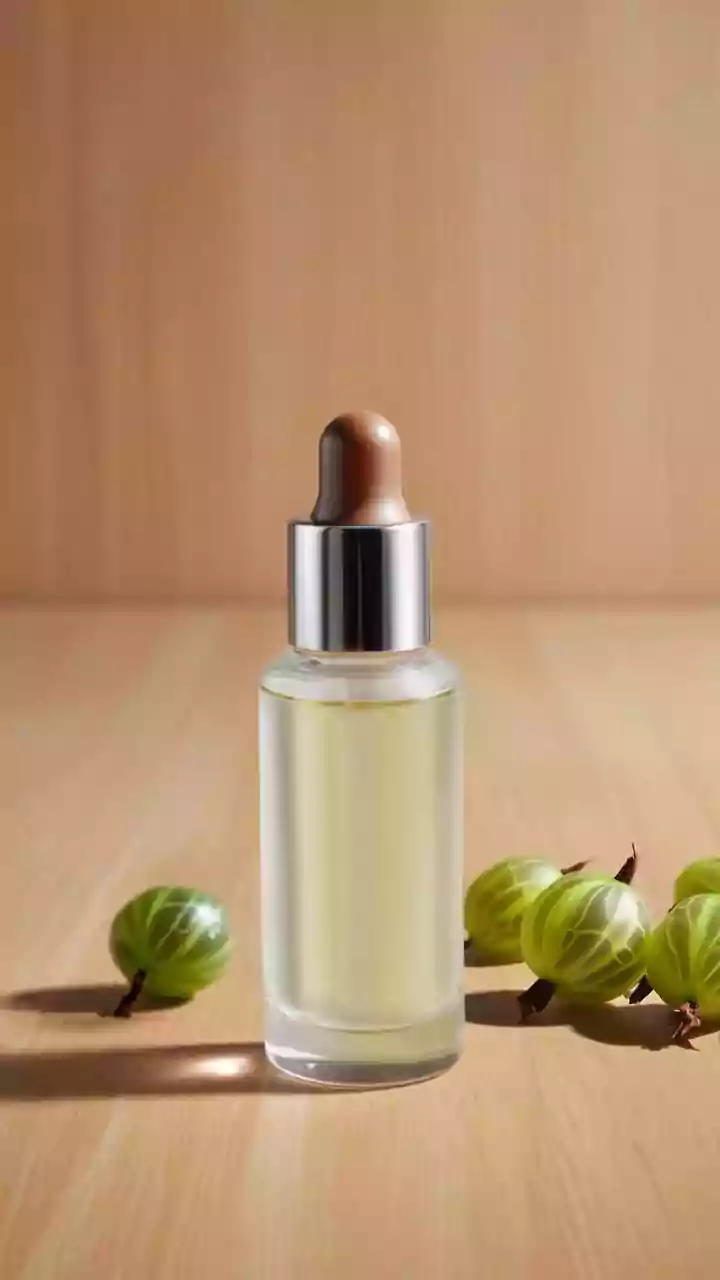
To amplify the benefits of your scalp massage, incorporating certain natural oils can act as a potent supplement. Rosemary oil has gained popularity and is supported by some research suggesting its efficacy comparable to minoxidil for early-stage hair regrowth. Castor oil, though thick and potentially messy, is highly nourishing for thinning areas, offering rich conditioning. Onion oil, despite its distinct aroma, is valued for its high sulfur content, which many believe helps reduce hair breakage. When using oils, ensure they are applied sparingly and massaged thoroughly to avoid clogging pores, which could counteract the intended benefits of the massage.
Avoiding Pitfalls
Several common mistakes can hinder the progress you hope to achieve with scalp massage. Sporadic massage sessions, often termed 'weekend warrior' efforts, are unlikely to produce significant results; consistent, regular practice is essential. Applying excessive force during the massage can lead to increased hair shedding, so it's important to find a comfortable pressure level and ease up if you notice more hair than usual coming out. Furthermore, using too much heavy oil or not properly washing it out can lead to clogged pores and scalp irritation, which is counterproductive to promoting healthy hair growth. Being mindful of these common errors can help ensure your massage routine is as effective as possible.
Realistic Expectations
When you begin a consistent scalp massage routine, noticeable changes typically unfold over several months. In the first month, you may experience a healthier, less tight scalp and observe a reduction in hair shedding. By the second month, the existing hair might appear glossier and have more lift at the roots. The most significant changes are usually seen between three and six months, when you may start to notice fine, new 'baby hairs' appearing and filling in sparser areas. Patience and consistency are key, as hair growth is a biological process that takes time to manifest visibly.
Holistic Hair Health
For optimal results from scalp massage, it's crucial to consider your overall health and lifestyle. Ensure your diet is rich in protein, as hair is primarily composed of this nutrient. Staying adequately hydrated and actively managing stress levels are also vital components that support hair vitality. In a market often flooded with expensive, chemically-laden products, the simplicity and affordability of scalp massage offer a beautiful, natural approach to hair care. While it may not be an instant solution, it empowers you to actively participate in maintaining your hair's health with minimal investment—just your time and dedication. Embracing this time-honored technique can be a profoundly effective strategy for encouraging hair growth and improving scalp condition.