




The Danger of Overeating
It's a common temptation to overindulge after hours of fasting during Ramadan, often reaching for fried and sugary foods that offer quick energy. However,
this can lead to undesirable consequences such as weight gain, digestive discomfort, and significant fatigue. Hina Khan highlights this tendency, emphasizing that while occasional indulgence is fine, making it a habit can negatively impact the body. Her own Iftar choices, including a variety of fruits, vegetables, dates, nuts, and protein sources, serve as a practical example of how to resist this urge and opt for a more nourishing approach to breaking the fast. This mindful eating strategy helps the body transition smoothly from a fasting state without being overwhelmed by heavy or processed foods.
Fiber and Protein Power
Consultant dietitian Kanikka Malhotra explains that incorporating fiber and protein into your Iftar meal is key to a gentle re-entry into eating after fasting. Fiber plays a crucial role by slowing down digestion, ensuring a steady release of glucose into the bloodstream, and supporting overall gut health. Simultaneously, protein helps you feel fuller for longer, preserving valuable muscle mass and preventing excessive calorie consumption. Together, these two macronutrients act as a natural buffer for your metabolism, helping to mitigate sharp insulin spikes and stabilize energy levels. This combination allows your digestive system to gradually reactivate, avoiding the shock of being overloaded.
Hina's Balanced Plate
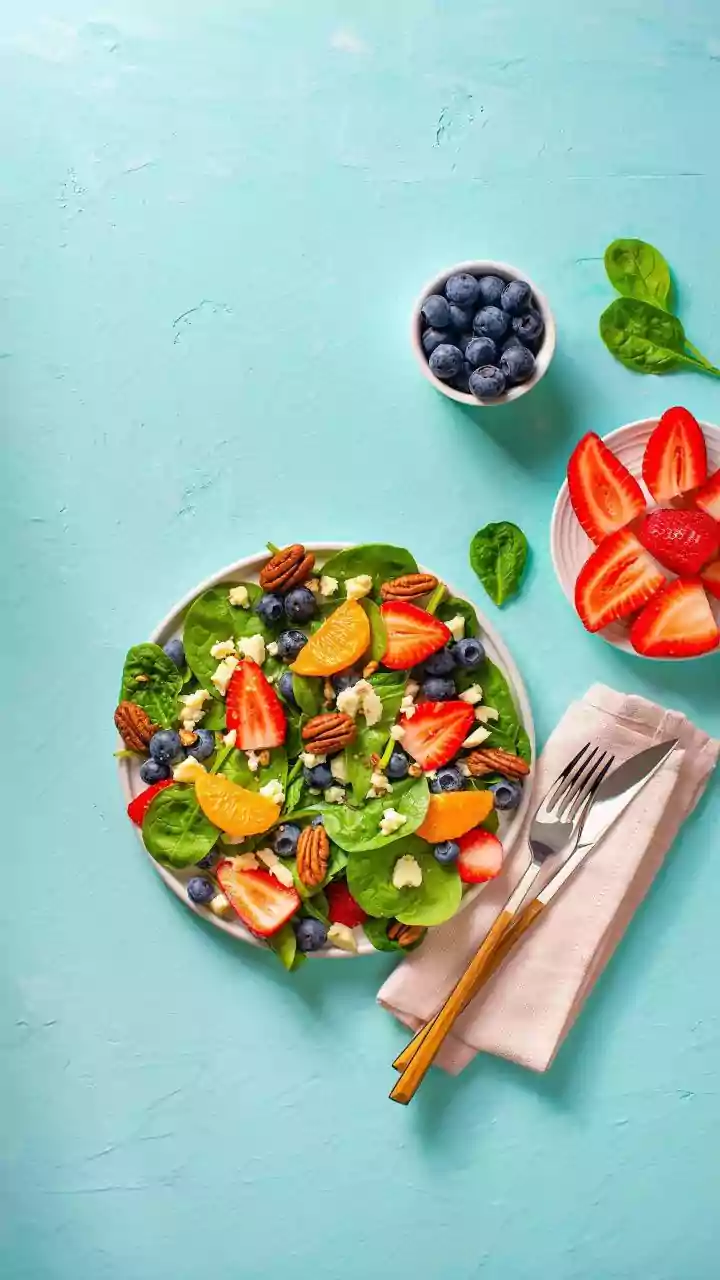
Dietitian Garima Goyal commends Hina Khan's Iftar selection for its thoughtful inclusion of hydration, protein, fiber, and essential micronutrients. Fresh fruits and vegetables are a brilliant choice, offering natural sugars for energy alongside vital fiber, antioxidants, and hydration. These items help replenish the body's energy stores without taxing the digestive system, while vegetables contribute to healthy gut function and help prevent bloating. The inclusion of chana chaat provides a robust source of plant-based protein, fiber, and iron, which further aids in stabilizing blood sugar levels and promoting satiety, thus reducing the likelihood of overeating later. Chia pudding adds omega-3 fatty acids, fiber, and plant protein, promoting longer-lasting fullness and supporting heart health, all while aiding digestion due to its water-absorbing properties.
Essential Supplements
Beyond whole foods, Hina Khan's Iftar also incorporates key supplements that contribute to her overall well-being during Ramadan. A protein shake is a straightforward way to boost protein intake, which is vital for muscle maintenance and keeping the metabolism active during fasting periods. Additionally, fish oil offers beneficial omega-3 fatty acids known for their anti-inflammatory properties and cardiovascular health support. Vitamin D is included, particularly important if sun exposure is limited, for maintaining strong bones and a robust immune system. Finally, probiotics are incorporated to nurture gut health, a factor that becomes even more critical when meal timings are significantly altered during fasting. This comprehensive approach ensures the body receives a wide spectrum of nutrients.
Smart Transition Strategy
Hina Khan's Iftar demonstrates an exemplary balance of macronutrients, with a strong emphasis on fiber, protein, and healthy fats. This strategic approach effectively sidesteps the common pitfalls associated with Ramadan eating, such as the consumption of heavy fried foods and excessive sugar, which often lead to post-fasting fatigue, digestive distress, and unwanted weight gain. By breaking her fast with nutrient-dense foods and prioritizing a gradual intake, she facilitates a smooth transition for her body. This method not only respects the digestive system but also helps maintain metabolic stability throughout the fasting period, setting a positive example for healthy Ramadan practices.