





Almond Oil Basics Clarified
The world of almond oil for hair can be surprisingly nuanced, and it's crucial to understand the distinctions to make the right choice for your mane. While
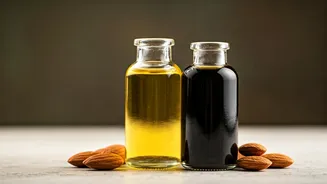
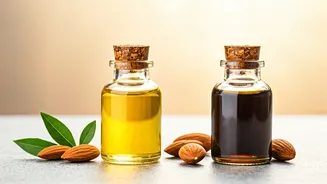
many may assume all almond oil is the same, there are actually two primary types: sweet almonds and bitter almonds, each yielding a distinct oil. The oil derived from sweet almonds is the one widely recognized and celebrated for its cosmetic and nutritional benefits. It's the familiar, gentle oil often found in skincare and haircare products, prized for its mild scent and skin-friendly properties. Conversely, the oil extracted from bitter almonds possesses different chemical compounds that render it unsuitable for direct application to the scalp or skin. This fundamental difference dictates which type of almond oil is safe and beneficial for your hair care regimen, and understanding this separation is the first step toward achieving healthier locks.
Safety and Texture Differences
Prioritizing safety is paramount when selecting any oil for your scalp, and this is where sweet almond oil truly shines. It's renowned for its gentle nature, making it an excellent choice for regular application on both hair and skin, and is even considered safe for delicate baby care. In stark contrast, bitter almond oil contains compounds that can be problematic if not handled with extreme caution and specific processing, which is why it's typically relegated to industries like perfumery rather than direct topical use. Beyond safety, the tactile experience of sweet almond oil is a significant advantage. It boasts a light, non-greasy consistency that feels comfortable on the scalp, absorbing readily without leaving behind an uncomfortable sticky residue. This pleasant texture is particularly beneficial in warmer climates or for individuals who find heavier oils burdensome, ensuring a more enjoyable and effective hair care routine.
Nutrient Profile for Hair
The nutritional composition of sweet almond oil is what truly elevates it as a beneficial ingredient for hair health. It is rich in essential nutrients that directly contribute to hair vitality and strength. Foremost among these is Vitamin E, a powerful antioxidant that plays a vital role in maintaining a healthy scalp environment, which is the foundation for robust hair growth. The oil also contains beneficial fatty acids that work to combat dryness and impart much-needed moisture, leaving hair feeling soft and supple. Additionally, the presence of magnesium in sweet almond oil is thought to potentially aid in reducing hair fall for some individuals, contributing to a fuller and more resilient mane. These synergistic components work together to fortify hair strands, enhance their natural shine, and decrease susceptibility to damage.
Hair Growth and Improvement
While no single oil can miraculously accelerate hair growth overnight, sweet almond oil plays a crucial supportive role in fostering an environment conducive to better hair development. Its efficacy lies not in direct growth stimulation, but in significantly improving the overall condition of your hair and scalp. By smoothing the hair cuticle, replenishing moisture, and reducing the incidence of split ends, it minimizes breakage. This reduction in breakage means hair retains its length more effectively, leading to a perception of longer, healthier-looking hair, even if the growth rate itself hasn't dramatically increased. Furthermore, a regular scalp massage with sweet almond oil can enhance blood circulation to the follicles and help maintain a balanced, hydrated scalp, which are critical factors for optimal hair health over time. The immediate benefits of softer, shinier, and more manageable hair also contribute to a positive hair care experience.
Optimal Usage and Best Practices
To harness the full benefits of sweet almond oil for your hair, simple and consistent application is key. Opt for a cold-pressed variety whenever possible, as this method typically preserves the oil's beneficial nutrients more effectively. A classic approach involves gently warming a small amount of oil and massaging it into your scalp for about five to ten minutes, allowing it to penetrate and nourish. Leaving it on for an hour or even overnight before washing provides a deeper treatment. For added benefits, sweet almond oil can be blended with other natural oils; combining it with coconut oil can boost hydration, while adding castor oil can create a thicker, more intensive treatment, a practice common in many Indian households. A minimal amount, just a drop or two applied to the ends, can also serve as an effective leave-in treatment to combat frizz and dryness without weighing hair down.