




Loosen the Surface
The initial step in combating soil that actively repels water is to physically break up its hardened, unyielding surface. This action is critical because
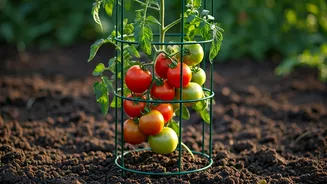
it creates pathways for both moisture and any beneficial amendments you plan to introduce. For garden beds that are currently empty, digging a trench can effectively achieve this loosening. However, when dealing with established plants, such as tomatoes where the root systems are concentrated near the surface, a more delicate approach is required. Using a digging fork or a tiller necessitates careful maneuvering to avoid damaging these delicate roots and the surrounding soil structure, ensuring that the beneficial loosening benefits the soil without harming existing vegetation.
Enrich with Organics
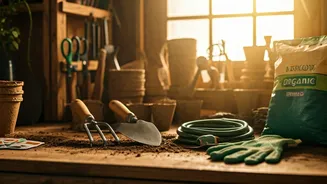
Once the surface of your water-repellent soil has been loosened, the next vital step is to integrate organic materials. This enrichment significantly boosts the soil's capacity to absorb and retain moisture. Excellent choices for amendments include well-rotted compost, aged manure, and worm castings. A gardener's preference leans towards mushroom manure over regular manure due to a reduced risk of causing harm to sensitive plant roots. Aim to incorporate these amendments to a depth of about 12 inches, as this is generally sufficient for most garden crops whose primary roots are found within the top 4 to 6 inches. For plants with deep tap roots, you might consider digging even deeper. Distribute a 2- to 3-inch layer of your chosen organic matter and thoroughly mix it into the soil using tools like a tiller, shovel, or digging fork, creating a rich, absorbent medium.
Add Aeration Agents
Soil that resists water absorption is often also overly compacted, which hinders water infiltration. To improve this, incorporate aeration amendments like vermiculite or coconut coir. These materials are highly effective because they expand considerably upon rehydration, meaning a little goes a long way. It's important, however, not to overdo it. A practical suggestion is to scatter a handful of these agents as a top dressing over the affected area, or alternatively, pre-hydrate them in a bucket of water or a wheelbarrow before gently working them into the soil. This process enhances the soil's ability to breathe and absorb moisture more readily, alleviating compaction issues.
Apply Protective Mulch
Applying a layer of mulch serves a dual purpose: it prevents the soil surface from forming that problematic crust and substantially improves its ability to hold onto moisture. In essence, mulching acts as both a preventative measure against future hydrophobia and a component of the current fix. For garden beds, selecting organic mulches such as bark, wood chips, pine needles, or compost is highly recommended. If you reside in a warmer climate, specially treated and cleaned straw, cut to about 2 inches in length, is an excellent choice. This type of straw decomposes more rapidly than regular straw and has the added benefit of reflecting sunlight, which helps keep the soil cooler and more hospitable for plant roots.
Utilize Wetting Agents
For situations where soil is particularly resistant to absorbing water, specialized wetting agents can be a valuable solution. These products, which may carry a higher price point, are formulated with surfactants. These surfactants work by reducing the surface tension of water, allowing it to spread more easily and penetrate the dry, hydrophobic soil more effectively. By lowering the water's resistance to the soil particles, these agents help ensure that precious moisture is not just sitting on the surface but is actively absorbed and delivered to where the plant roots need it most.
Deep and Slow Watering
After implementing the necessary soil correction steps, it is crucial to water the area thoroughly and at a gentle pace. The goal is to ensure the soil becomes fully saturated. Following these corrective measures, it's equally important to adjust your regular watering habits to prevent the soil from reverting to a dry, hydrophobic state. Watering in the morning is generally considered superior, especially during hot weather. This timing helps plants better withstand the day's heat and strengthens them, whereas watering late at night can sometimes create conditions conducive to fungal diseases. A consistent, deep watering approach is key to maintaining healthy, absorbent soil.
Repotting for Containers
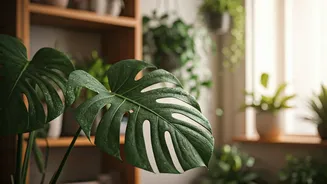
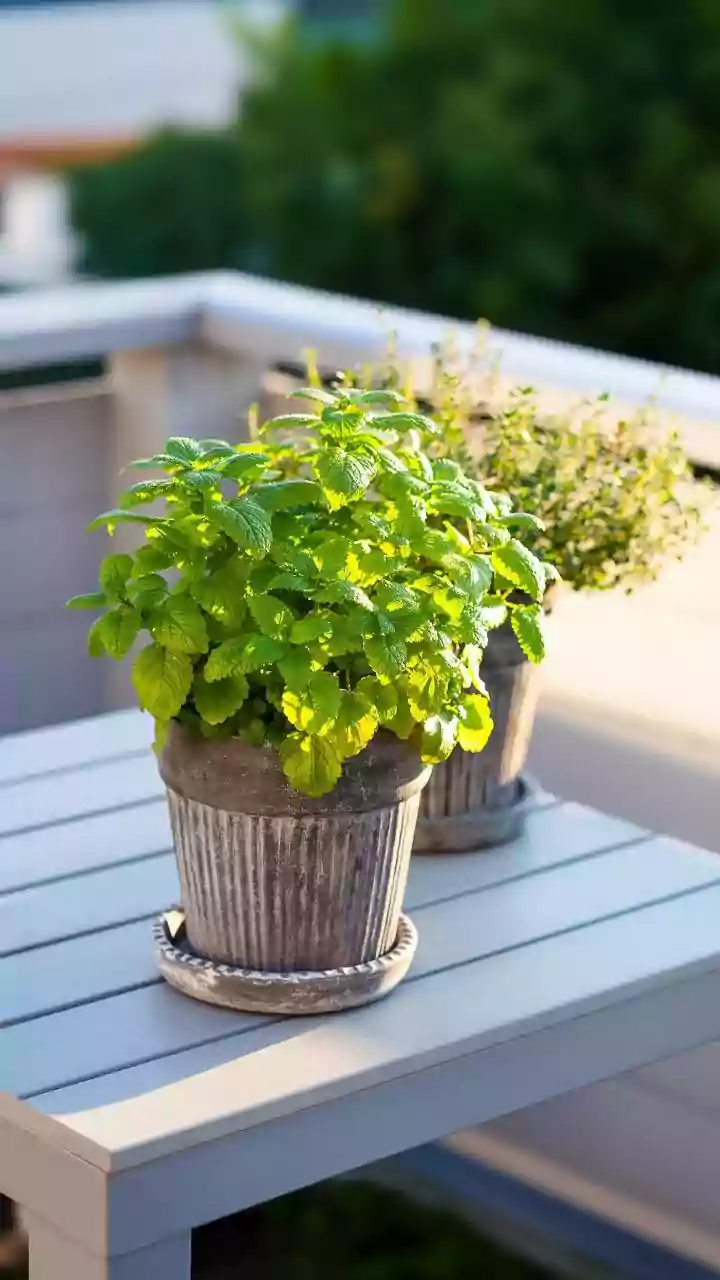
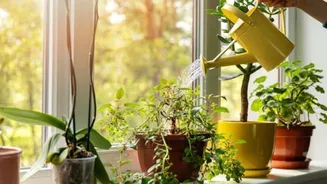
For houseplants or potted plants in containers suffering from severely dehydrated potting mix, a simple yet effective revival technique involves submerging the entire pot in water. This can be done in a sink, bucket, or bathtub for a period of 15 to 30 minutes, allowing the soil to rehydrate from the bottom up. However, if the potting soil has become significantly compacted and degraded over time, it is often more beneficial to replace the soil entirely. Repotting the plant with fresh potting mix is frequently the better long-term solution, especially if the plant would have benefited from repotting due to its growth or the soil's condition anyway.