




Tomatoes, The Summer Staple
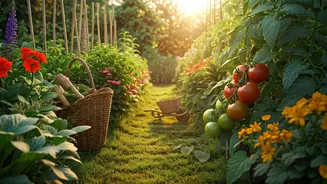
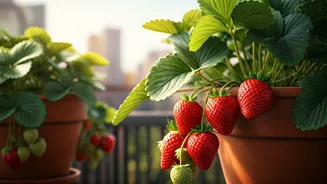
Tomatoes, a beloved heat-loving fruit, can be planted outdoors in April, provided the risk of frost has completely passed in your region. For those in cooler
climates, starting tomato seeds indoors 8-10 weeks before the last frost offers a head start. All tomato varieties are suitable, but for an earlier yield, cherry tomatoes are an excellent choice due to their faster ripening times. These plants thrive in full sun and are generally found in hardiness zones 2-11. It's crucial to note that tomatoes are not frost-tolerant, so protecting them from cold snaps is paramount for a successful harvest.
Sunflowers for Snacks
While technically a flower, sunflowers offer a unique edible component: their seeds, which make for a delightful snack. Additionally, the large heads can be sliced and grilled, imparting a flavor reminiscent of corn or artichoke, making for a distinctive summer side dish. Mammoth varieties are recommended for their impressive size. Sunflowers flourish when seeds are sown directly into the ground and are not frost-tolerant, making them best suited for warmer climates where the chance of frost has diminished. They prefer full sun and grow well in hardiness zones 2-11.
Sugar Snap Peas Thrive
In contrast to many other summer crops, peas are remarkably cold-hardy and an ideal candidate for April planting across a wide range of areas in the United States. As a cool-season crop, peas can withstand chilly weather and even light frosts. Sowing them outdoors from seed can commence once temperatures consistently reach 40 degrees Fahrenheit or higher. Sugar snap peas are not only plantable before the last frost but also mature quickly, often ready for consumption within 50 to 70 days of planting. To maximize yield and prevent disease, it's essential to provide a trellis or support structure for them to climb.
Carrots, Root of Patience
Carrots are another resilient vegetable that can be sown in April. Their seeds can be planted before the final frost, germinating as the soil temperature rises. However, carrots can struggle in extreme heat, potentially impacting yield in warmer climates. For optimal growth, sow seeds about a quarter-inch deep in loose soil. Depending on your climate and the specific variety, carrots typically take two to three months from germination to harvest. They prefer full to partial sun exposure and are suitable for hardiness zones 3-11, being frost-tolerant.
Winter Squash Varieties
While not all winter squash varieties mature fast enough for a summer harvest, certain types like delicata, acorn, and spaghetti squash are excellent choices for April planting. These can be sown outdoors once the threat of frost has completely passed. They thrive in full sun and are compatible with hardiness zones 2-11. It's important to remember that these varieties are not frost-tolerant, so careful timing with your region's last frost date is crucial for a successful late-summer yield.
Eggplant's Warm Embrace
April is an opportune time to initiate eggplant cultivation, regardless of whether you reside in a cooler northern region or a warmer southern locale. For an early summer harvest, eggplants perform best in environments with consistently warm summers, ideally experiencing temperatures of 80°F and above. In cooler areas, starting eggplant seeds indoors 8 to 10 weeks prior to the last frost date is recommended. Those in warmer climates can sow seeds directly outdoors, provided ambient temperatures remain above 50°F. Eggplants require full sun and are suited to hardiness zones 9b-12a, but they are not frost-tolerant.
Zucchini, The Summer Squash
Zucchini, a popular summer squash, can be successfully planted in April, especially by gardeners in warmer regions. These plants are sensitive to frost and dislike root disturbance after planting, making it advisable to wait until the risk of frost has passed before sowing them outdoors. To enhance fruit production, consider planting zucchini near pollinator-attracting flowers like marigolds or borage, as cross-pollination is essential for setting fruit. Zucchini prefers full sun, is suitable for hardiness zones 3-11, and is not frost-tolerant.
Lettuce and Leafy Greens
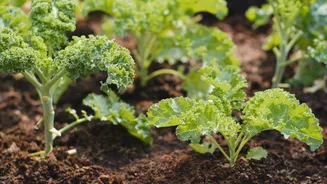
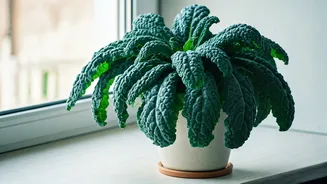
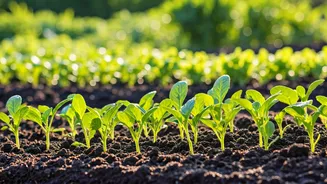
Lettuce and other leafy greens, such as arugula and kale, can be planted as soon as the soil becomes workable. Simply scatter the seeds on the soil surface and lightly rake them in. Using tulle fabric over newly planted seeds can offer protection from birds and rodents during germination. Parris Island Cos for crisp romaine and butter lettuce for its prolific nature are excellent variety choices. These greens are cold-hardy, tolerating occasional light frosts, making them a go-to for cool-season gardens. They prefer full to partial sun and thrive in hardiness zones 3-11, being frost-tolerant.
Hot Peppers for Spice
April is the prime time for planting hot pepper seeds to ensure a generous supply throughout the summer. Varieties like jalapeños, serranos, and Thai chilis offer a range of heat levels. These peppers require a longer, hotter growing season compared to their sweet counterparts, underscoring the importance of early planting. If your region is still experiencing cool temperatures, you can start hot pepper seeds indoors in April and transplant them outdoors once the threat of frost has subsided. They require full sun and are suitable for hardiness zones 9-11 but are not frost-tolerant.
Cucumbers for Refreshment
Cucumbers are easily grown from direct sowing and promise abundant yields once established. However, they are sensitive to cold weather and should only be planted outdoors after the last frost has passed in your area. While starting cucumbers indoors is an option, their rapid growth makes it less critical. They are typically ready for harvest approximately two months after germination, ensuring they will be ready for summer enjoyment whether planted in April or May. Cucumbers prefer full sun, are suitable for hardiness zones 4-12, and are not frost-tolerant.
Green Beans, Fast Growers
Green beans are recognized as one of the quickest and most rewarding vegetables to cultivate. As they do not transplant well, it is best to sow seeds directly into the garden once the soil has sufficiently warmed. In April, this planting window is most suitable for gardeners in warmer climates, as green beans are not tolerant of frost. They thrive in full sun and are compatible with hardiness zones 2-11. It is essential to wait until after the last frost date to ensure their survival and encourage a robust harvest.
Radishes, Quick Harvest
Radishes are a superb cool-season vegetable choice for April planting across much of the country. These root vegetables are exceptionally fast-growing, taking about 30 days from sowing to harvest. Planting them in April means you could be enjoying them in your salads by May. Popular varieties include the striking watermelon radish and the classic Cherry Belle. Radishes prefer full to partial sun, are suitable for hardiness zones 3-11, and are frost-tolerant, making them a forgiving option for early spring gardens.