





Ancient Marine Healing
Seaweed bathing, also known as Thalassotherapy, draws its name from the Greek word 'thalassa' for sea and represents one of the few ancient wellness customs
that has gracefully endured through the ages. At its core, this practice involves immersing oneself in warm water enriched with the potent nutrients found in seaweed. Celebrated for centuries, particularly in coastal communities like Ireland and other parts of Europe, it masterfully combines the restorative power of nature with deep relaxation and the rich tapestry of seaside culture. Today, it continues to offer a distinctive spa encounter, firmly grounded in time-honored maritime heritage.
Roots in Irish Shores
The practice of seaweed bathing is deeply intertwined with the history of Ireland's Atlantic coastline. It gained considerable traction during the 19th century, a period when seaside bathhouses emerged as popular destinations. These establishments began to offer revitalizing hot seaweed baths, providing a welcome respite for fishermen and visitors alike, who sought solace and recovery after arduous days spent navigating the sea. This tradition cemented itself as a cherished ritual in the coastal folklore and wellness practices of the region.
The Soothing Soak
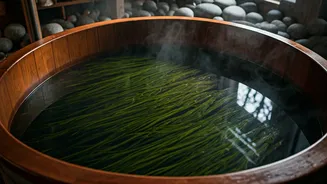
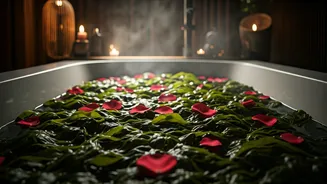
The process of a seaweed bath is elegantly simple yet profoundly effective. Freshly collected or dried seaweed is introduced to hot water, where it gradually softens and expands, releasing its beneficial compounds. Bathers typically luxuriate in the warm infusion for approximately 20 to 30 minutes. During this time, the seaweed drifts gently around the tub, creating an immersive and tranquil experience that evokes the serene ambiance of the ocean, promoting a deep sense of peace and well-being for the individual.
Ocean's Bounty Used
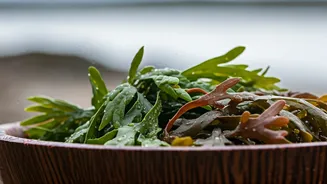
The seaweeds most commonly featured in these therapeutic baths are typically from the brown seaweed family, including varieties such as Bladderwrack and Knotted Wrack. As these specific seaweeds encounter the warmth of the bathwater, they undergo a transformation, softening and expanding significantly. This process liberates a wealth of natural oils and essential minerals into the water, which in turn imparts a uniquely silky and smooth texture to the bath, enhancing the overall sensory and therapeutic qualities of the experience.
Victorian Era Popularity
Seaweed bathing experienced a surge in popularity during the Victorian era, coinciding with the burgeoning trend of coastal tourism. Seaside towns across the region saw the establishment of numerous bathhouses catering to this demand. Visitors, drawn by the allure of the coast, would partake in heated seaweed baths, often after invigorating swims in the ocean, embracing the perceived health benefits and luxurious relaxation offered by this unique marine treatment.
Modern Day Revival
In contemporary times, seaweed bathing has experienced a notable resurgence, largely driven by the growing interest in natural wellness approaches and therapies inspired by the ocean. Many contemporary spa facilities now incorporate treatments that echo this centuries-old practice, appealing to modern travelers in search of distinctive and authentic wellness experiences. This revival underscores the enduring appeal of natural, time-tested remedies in today's fast-paced world.