
The Strength Revolution
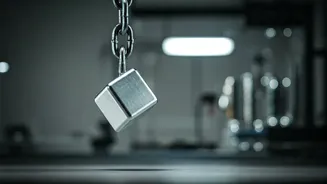
The field of adhesives has taken a giant leap forward. Scientists have engineered a new glue, demonstrating an extraordinary level of strength, to the
point where it could potentially be used to tow a car. This achievement signifies a significant shift in material science and has the potential to reshape several industries. This innovative adhesive could replace conventional methods in construction, manufacturing, and even medicine. The development underscores the ongoing quest for materials that can withstand more severe conditions and improve durability and safety.
Composition and Mechanism
While the exact composition of the super glue may vary depending on the research, the core principle behind the exceptional strength likely involves a carefully designed molecular structure. The scientists would have aimed for a specific arrangement of molecules to maximize the interaction and the bonds holding them together. These bonds are very strong and can withstand enormous amounts of stress before breaking. The resulting adhesive possesses remarkable resistance to various forces, including tension, compression, and shear. Research like this is constantly striving to enhance the interaction between the adhesive and the surfaces it binds, allowing for a better transfer of forces. Details about the glue's chemical makeup and how it achieves these properties are frequently withheld by scientists to protect intellectual property and allow for further development of the technology.
Applications Across Sectors
The applications for such a powerful adhesive are numerous and varied. In the automotive industry, it could be used in the production of vehicles to create stronger, lighter, and safer bonds. Construction could also benefit greatly, with the development of more durable and resilient buildings. The aerospace sector might use it to create aircraft parts that can endure extreme stress and temperature changes. Medical applications are also very promising. In medicine, incredibly strong adhesives could be used for advanced surgical procedures. This could lead to better wound closure, and the ability to bond even delicate tissues with minimal trauma. The potential to reduce reliance on more invasive methods is also very exciting.
Future Implications and Research
The development of a car-towing-strength glue is just the beginning. The research community is likely to keep exploring and refining its properties. This includes working on improving the glue's durability under extreme conditions and ensuring it's safe for various applications. Scientists are working on increasing its versatility so it can stick to different types of materials. Furthermore, the focus may be on scaling up the production of the adhesive to make it affordable and accessible for wide use. This will involve investigating the environmental impact of the glue, including the materials used in its formulation and the potential for biodegradability.