







Embrace Winter Gardening
Winter gardening in India presents a unique opportunity to grow a variety of cool-season vegetables, offering a refreshing change from the usual summer
crops. The milder temperatures and lower humidity of winter provide ideal conditions for many plants to flourish. The key to a successful winter garden lies in selecting the right vegetables and employing suitable gardening practices. This includes understanding the specific needs of each plant, such as sunlight, watering, and soil requirements. By planning your garden carefully and preparing your soil well, you can enjoy a bountiful harvest throughout the winter months. Proper plant selection also extends to choosing varieties that are resistant to common winter pests and diseases. Furthermore, consider the microclimate of your garden, as some areas may experience colder temperatures or less sunlight than others, influencing plant growth. This winter gardening guide will help you create a thriving vegetable patch, allowing you to savor the taste of fresh, home-grown produce even during the colder months.
Leafy Greens Galore
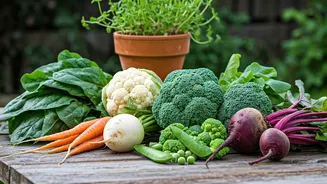
Leafy greens are an excellent choice for winter gardens due to their resilience to cold temperatures and fast growth rates. Spinach is a top contender, offering a rich source of vitamins and minerals. Plant spinach seeds directly in your garden bed or containers, ensuring they receive adequate sunlight. Regular watering and well-drained soil are essential for optimal growth. Another excellent option is mustard greens, known for their slightly peppery taste and quick harvest time. Mustard greens thrive in cooler temperatures and can be easily grown in various soil types. Finally, consider growing fenugreek, a popular herb in Indian cuisine that offers both culinary and medicinal benefits. Fenugreek seeds can be directly sown, and the plants require minimal care. Regular harvesting of the leaves encourages continuous growth and allows you to enjoy fresh fenugreek throughout the winter months. By incorporating these leafy greens into your winter garden, you'll have a ready supply of nutritious and flavorful additions to your meals.
Root Vegetables Rising
Root vegetables also thrive in the winter garden, adding diversity and flavor to your harvest. Carrots are a must-have, offering a sweet and crunchy texture. Choose carrot varieties suitable for your climate and sow the seeds directly in well-prepared soil. Ensure the soil is free of rocks and debris to promote straight and uniform carrot growth. Radishes are another excellent choice, known for their fast growth and peppery taste. Sow radish seeds directly in the soil and expect a harvest within a month. Regular watering and protection from extreme cold are essential. Beets provide both edible roots and leaves. Plant beet seeds directly in the soil, and they will thrive in cooler temperatures. Beets require consistent moisture and well-drained soil for optimal growth. Root vegetables not only offer nutritional value but also provide a visually appealing element to your winter garden, making it a feast for both the eyes and the palate. Proper soil preparation and timely harvesting are key to ensuring a successful crop of root vegetables.
Peas and Beans Abound
Peas and beans are excellent additions to your winter garden, adding nitrogen to the soil and providing delicious harvests. Garden peas are a classic choice, thriving in cooler temperatures and requiring support structures like trellises or stakes. Sow pea seeds directly into the soil and provide regular watering. Choose bush or climbing varieties based on your space constraints. Broad beans, also known as fava beans, are another great option, known for their high protein content and robust flavor. Sow broad bean seeds in well-drained soil and provide support as the plants grow. Regular harvesting of the pods encourages continuous production. Growing peas and beans adds variety to your winter garden and provides a nutritious supply of fresh produce. Remember to choose varieties that are suited to your specific climate and provide them with the necessary support and care to ensure a bountiful harvest.
Essential Care Tips
Proper care and maintenance are essential for ensuring a successful winter garden. Start by preparing the soil thoroughly, adding compost and organic matter to improve its fertility and drainage. Water your plants regularly, especially during dry spells, but avoid overwatering, which can lead to root rot. Mulching helps retain moisture, regulate soil temperature, and suppress weeds. Protect your plants from extreme cold by covering them with row covers or cloches during frosty nights. Regularly monitor your plants for pests and diseases, and take action promptly if any problems arise. Consider companion planting to enhance growth and deter pests. Rotate your crops each season to prevent soil depletion and disease buildup. Consistent care and attention to detail will reward you with a flourishing winter garden, providing you with fresh and healthy produce throughout the season. Remember that gardening is a continuous learning process, so embrace new techniques and adapt your practices as needed.
Seed Selection Matters
Selecting the right seeds is crucial for a successful winter garden. Choose varieties of vegetables that are specifically suited to your local climate and growing conditions. Consider factors such as temperature, rainfall, and sunlight when making your selection. Opt for disease-resistant varieties to minimize the risk of plant diseases. Purchase seeds from reputable sources to ensure good germination rates and high-quality seeds. Read the seed packets carefully to understand the planting instructions and spacing requirements. Consider using both direct sowing and seedling transplants, depending on the vegetable variety and your gardening preferences. Some vegetables, like radishes and carrots, do well with direct sowing, while others, like spinach and peas, can benefit from starting indoors as seedlings. Always check the seed packets for the optimal planting time for your specific region, as this will affect your harvest schedule. The right seed selection will significantly influence the productivity and success of your winter garden, ensuring you get the most out of your efforts.
Harvesting Your Bounty
The joy of gardening culminates in the harvest, a rewarding experience that celebrates your efforts. Harvest your winter vegetables at their peak maturity for the best flavor and nutritional value. For leafy greens, harvest the outer leaves as needed, allowing the inner leaves to continue growing. For root vegetables, gently pull them from the soil when they reach the desired size. Use a garden fork to loosen the soil before pulling to minimize damage. Harvest peas and beans regularly to encourage continuous production. Pick the pods or beans when they are plump and tender. Once harvested, clean your vegetables and store them properly to maintain their freshness. Some vegetables can be stored for weeks, while others are best consumed immediately. By following these harvesting tips, you'll be able to enjoy the fruits of your labor and savor the taste of fresh, home-grown produce throughout the winter. Regular harvesting and proper storage will allow you to make the most of your winter garden bounty and extend the enjoyment of your fresh vegetables.