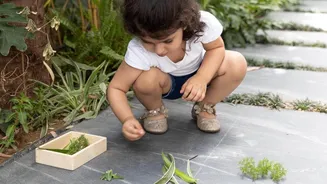




Driven by Innate Curiosity
Toddlers possess an inherent drive to explore and comprehend the world around them. Their questions are a direct manifestation of this natural inquisitiveness,
stemming from their encounters with a myriad of sights and sounds, from the flutter of a bird's wings to the rumble of a passing car. They grapple with understanding the fundamental nature of objects, phenomena, and even abstract concepts like weather patterns. Each query, whether about the color of the sky or the function of a household item, serves as a building block in their cognitive architecture, helping them piece together a coherent understanding of their immediate surroundings. Responding to these questions not only satisfies their immediate thirst for knowledge but also actively fosters their learning process, enabling them to forge connections between new information and existing understandings, thereby expanding their overall worldview and fueling a desire for further discovery.
Boosting Communication Skills
The constant stream of questions from toddlers plays a crucial role in honing their burgeoning language and communication abilities. By posing inquiries about their environment, such as 'Why do flowers grow?' or 'What is that shiny thing?', they are actively engaged in the process of learning and articulating their observations. Engaging with their questions provides parents with invaluable opportunities to not only impart knowledge but also to guide their children in developing more effective ways to express themselves. As toddlers receive answers and continue to ask, their capacity to communicate improves, allowing them to convey their thoughts, needs, and feelings with greater clarity and confidence. This iterative process of questioning and answering is fundamental to their linguistic development and self-expression.
Seeking Comfort and Certainty
Toddlers frequently pose questions not solely to acquire new information but also to confirm existing knowledge and gain a sense of reassurance. It's common for them to repeat the same question multiple times, even after receiving a satisfactory answer. This repetition serves as a mechanism for them to process the information thoroughly and solidify their understanding, thereby alleviating any uncertainty. When parents respond to these repetitive inquiries with patience and consistency, it cultivates a feeling of security and support in the child. This environment of assuredness empowers toddlers to approach new ideas and experiences with greater confidence, knowing that their quest for understanding is valued and supported, fostering a resilient approach to learning.
Understanding Cause and Effect
Questions like 'How did the toy break?' or 'Why did the water spill?' indicate that toddlers are starting to grasp the fundamental concept of cause and effect. They are actively trying to unravel the reasons behind events and understand the sequence of actions that lead to particular outcomes. This burgeoning ability to think logically and analyze situations is a significant step in their cognitive development. By engaging with their questions about how things happen, parents help toddlers learn about the interconnectedness of actions and consequences in their daily lives. This foundational understanding of causality is essential for developing problem-solving skills and building a more structured, rational perspective on the world.
Nurturing Parent-Child Connections
The seemingly endless cycle of questioning by toddlers offers a powerful avenue for strengthening the bond between parents and their children. Each answered question represents a shared moment of connection, signaling to the child that their thoughts and curiosity are important and valued. When parents dedicate their attention, listen attentively, and respond with warmth and patience, it fosters a profound sense of being heard and cherished in the toddler. This consistent positive interaction builds a foundation of trust and encourages open communication within the family unit. Ultimately, these exchanges, while sometimes demanding, become invaluable opportunities for toddlers to learn and grow, all while deepening their emotional security and connection with their caregivers.