





Innate Musicality
From birth, humans possess an inherent ability to connect with rhythm and melody. Even before language develops, infants express themselves through vocalizations
akin to singing. This natural inclination suggests music is fundamental to our being, a primal form of communication and emotional expression. We are born with the capacity to listen and respond musically, a skill that often gets overshadowed by the demands of daily life and the development of verbal communication. This innate connection to music, though often forgotten, remains a powerful tool for emotional regulation and well-being, reminding us of a time when our world was simpler and more attuned to sound.
The Brain's Two Halves
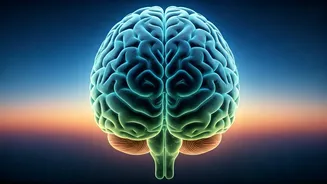
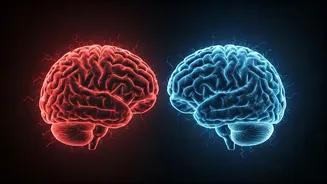
Our brain is composed of two distinct hemispheres, each with specialized functions that are crucial for a well-rounded life. The left hemisphere is the seat of logic, language, and analytical thought, responsible for tasks like calculation and problem-solving. Conversely, the right hemisphere governs creativity, emotions, and our capacity for appreciating music and art. While both are interconnected and designed to work in tandem, an over-reliance on one side can lead to an imbalance. For instance, individuals heavily immersed in logical pursuits might struggle with emotional expression, while those primarily focused on emotion may find logical reasoning challenging. Achieving a harmonious interplay between these two hemispheres is key to experiencing a richer, more balanced existence.
The Art of Listening
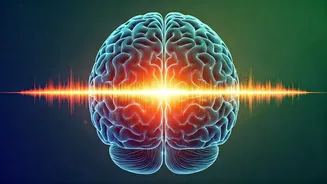
There's a significant distinction between merely hearing music and truly listening to it. In our busy lives, we often allow music to fade into the background, accompanying activities like driving or working. This passive exposure, though pleasant, doesn't offer the profound benefits that attentive listening provides. Genuine listening involves setting aside distractions, closing our eyes, and allowing the music to envelop us completely. This mindful engagement creates an internal space where the music can resonate deeply, leading to a sense of peace and an altered internal state. Even a brief period of focused listening can initiate a transformative shift, bringing a sense of calm and clarity.
Music for Logic Lovers
For those whose professions demand rigorous logical thinking, such as lawyers, accountants, or engineers, embracing instrumental music can offer a vital counterbalance. The absence of lyrics in wordless compositions allows the left brain to relax its analytical grip, freeing it from the task of deciphering meaning. Instead, it can indulge in the purely aesthetic and emotional experience offered by the music. This form of deep listening, particularly to genres like classical, ambient, or traditional instrumental pieces, provides a much-needed respite for the overactive logical mind. Dedicating even twenty to thirty minutes daily to this practice can significantly enhance mental clarity, reduce stress, and foster a more integrated sense of self.
Temple Acoustics and Harmony
Ancient Indian temple architecture was ingeniously designed to guide individuals towards inner peace through sound. These sacred spaces weren't merely places of worship but were crafted as auditory landscapes, transitioning from the gross to the subtle. At the periphery, large drums would be played to dispel inertia and awaken the base chakra. As one moved inwards, string instruments like the veena would resonate, connecting with the solar plexus. The flute's melody was intended to touch the heart, and at the innermost sanctuary, the delicate sound of a bell or conch was employed to stimulate the crown chakra. This systematic progression of sound, from powerful to subtle, mirrored a journey of consciousness, leading from external noise to profound internal silence and relaxation.
Balanced Being
Ultimately, the profound benefit of engaging with music lies in its ability to foster harmony between the brain's left and right hemispheres. When this balance is achieved, individuals experience not only heightened intellectual acuity but also a greater capacity for empathy, emotional resilience, and a richer appreciation for life. This integration leads to a more complete and fulfilling existence, where logic and emotion coexist harmoniously. It is this state of being, where one is both sharp and compassionate, driven and serene, that represents the true potential unlocked by embracing the power of music.