








IEW 2026: The Stage
The India Energy Week (IEW) 2026 served as a crucial platform for discussing and promoting investment opportunities within India's oil and gas sector.
The event brought together key stakeholders, including government officials, industry leaders, and potential investors from both domestic and international markets. The setting provided an ideal environment to showcase the sector's potential and outline the government's strategic vision for energy security and economic expansion. Presentations and discussions at IEW 2026 emphasized the significance of expanding and modernizing the infrastructure to meet the increasing energy demands of the country. This included highlighting the benefits of investing in various projects, such as exploration and production, refining, and distribution networks. Moreover, the discussions covered the policies and regulatory frameworks designed to facilitate and encourage investment, thus ensuring a conducive atmosphere for business and long-term growth.
Investment Imperative Explained
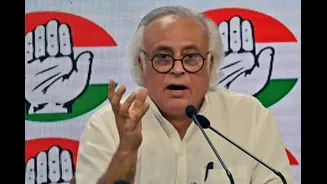
The Indian Oil Minister's push for increased investments highlighted the critical role of the oil and gas sector in India's overall economic development and energy security. The sector's expansion is seen as crucial for meeting the rising energy needs of the growing population and expanding economy. The minister emphasized the importance of self-reliance in energy, reducing dependence on imports, and enhancing domestic production capabilities. A significant portion of the proposed investments would be channeled toward enhancing infrastructure, including upgrading existing refineries and building new ones. This effort is aimed at improving efficiency and reducing the environmental impact of operations. Further investments were also suggested for exploring new oil and gas reserves, particularly in offshore and challenging terrains. This involved adopting advanced technologies and attracting specialist expertise to enhance exploration success.
Key Investment Areas
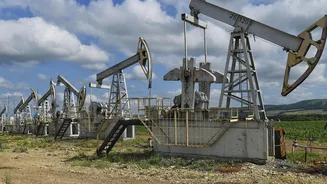
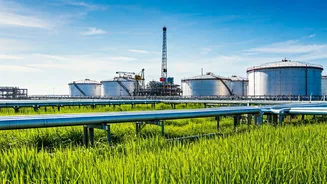
The call for investment identified several key areas within the oil and gas sector that would attract significant capital. One primary focus was on exploration and production (E&P), aimed at discovering and developing new oil and gas reserves within the country. This involves substantial investments in seismic surveys, drilling operations, and the deployment of advanced technologies to enhance efficiency and productivity. Another key area was refining, where investments were needed to modernize existing refineries and expand capacity. This would enable the processing of larger volumes of crude oil and improve the quality of refined products, thereby reducing dependence on imports. The development of infrastructure for the transportation and distribution of oil and gas was also emphasized. This included constructing new pipelines, storage facilities, and distribution networks to ensure efficient and reliable supply across the country. Additionally, investments in the renewable energy sector, such as biofuels, were highlighted to support sustainable development and reduce carbon emissions.
Policy and Incentives
To attract and facilitate investment, the Indian government has put in place several policy reforms and incentives. These measures are designed to create a favorable environment for investors and streamline the investment process. The government has implemented policies to ease regulations, reduce bureaucratic hurdles, and offer fiscal incentives. These incentives include tax breaks, subsidies, and other financial benefits to encourage investment in the oil and gas sector. Regulatory reforms have also been introduced to simplify the approval process for projects and provide greater transparency and predictability. Additionally, the government has been working on improving the ease of doing business to make India a more attractive destination for both domestic and international investors. Furthermore, the government actively promotes partnerships with foreign investors and provides them with various forms of assistance and support.
Future Outlook and Goals
Looking ahead, the Indian government has ambitious goals for the oil and gas sector, with significant investment playing a pivotal role. The primary goal is to enhance energy security, thereby reducing the country's dependence on imported energy sources and mitigating price volatility. The government seeks to increase domestic oil and gas production to meet a larger share of the country's energy demand. This involves accelerating exploration activities, developing discovered reserves, and improving the efficiency of existing operations. Another key goal is to drive economic growth and create employment opportunities within the oil and gas sector. This includes investing in the development of infrastructure, enhancing refining capacity, and fostering innovation in the sector. The government also aims to promote sustainable development by integrating renewable energy sources and reducing the environmental impact of oil and gas operations. The long-term vision encompasses a diversified energy portfolio that balances traditional sources with renewable alternatives, ensuring energy security and driving sustainable economic growth.