
Needlepoint's Allure Unveiled
Needlepoint, a craft that has charmed people for generations, offers a blend of artistic expression and therapeutic benefits. It is a form of counted-thread
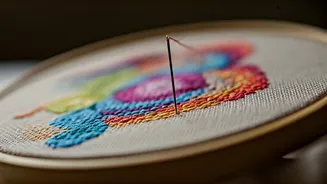
embroidery where designs are created on a mesh canvas using a needle to pass yarn or thread through the holes. The appeal of needlepoint lies in its accessibility and the endless possibilities for customization. Whether one is a seasoned crafter or a novice, the basics of needlepoint are fairly straightforward to grasp. The materials are simple: canvas, needles, yarn or thread, and a design to follow. As individuals stitch, they can choose from a vast array of colours, patterns, and stitch techniques, making each project unique. It is the perfect blend of relaxation and mental stimulation. Many find the repetitive motion of stitching incredibly soothing, providing a welcome escape from the stresses of daily life, making it a viable and worthwhile hobby in 2026.
Getting Started Quickly
Embarking on a needlepoint journey doesn't require a mountain of supplies or advanced skills. The essential materials are readily available at craft stores or online. Begin by selecting a canvas, which comes in various mesh sizes depending on the desired detail of the finished piece. Choose a needlepoint needle, which has a blunt tip to prevent splitting the canvas threads, and some yarn or thread in your preferred colours. Embroidery floss, wool, and specialty threads like metallic or silk can be used to add texture and visual interest to a project. A basic design or pattern can be found in books, online, or one can create their own. The most fundamental stitch is the tent stitch, which involves making diagonal stitches across each canvas intersection. There are numerous variations and advanced stitches, but mastering the basic tent stitch is the perfect place to start. With these simple materials and a little guidance, anyone can start their needlepoint adventure.
Choosing Your Designs
The beauty of needlepoint lies in the freedom to choose any design. The options are endless, ranging from simple geometric patterns to elaborate floral arrangements, intricate landscapes, or modern abstract art. When starting, it is best to opt for a design with larger stitches. These designs are ideal for beginners, as they are easier to execute and help build confidence before tackling more complex projects. As one becomes more skilled, they can experiment with more intricate patterns. One can also find many free or inexpensive patterns online, through craft stores, or by purchasing books and magazines dedicated to the art of needlepoint. Consider the canvas size and the thread type when selecting a design. A more detailed design might require finer mesh canvas and thinner threads to achieve the desired effect. Choosing a design that resonates with one's personal interests enhances the enjoyment of the process, making it a fulfilling creative outlet.
Stitching the Basics
The tent stitch is a fundamental technique in needlepoint. Hold the canvas in your non-dominant hand. Thread the needle and bring it up through a hole in the canvas from the back to the front. Then, insert the needle diagonally into a hole adjacent to the first, creating a diagonal stitch. Bring the needle up again through the back of the canvas, one hole over from the previous stitch, and continue in the same direction. When working in rows, all the stitches should lean in the same direction. This consistency is essential to the overall appearance of the finished piece. It is also important to maintain consistent tension to keep the stitches neat and the canvas from distorting. As one gains confidence, they can explore other stitches, such as the continental stitch, which provides greater coverage, or the basketweave stitch, which is great for filling large areas. Stitching can be done in a frame or stretcher bars to keep the canvas taut.
Benefits of Needlepoint
Needlepoint is more than just a craft; it is a therapeutic activity with significant benefits for mental well-being. The repetitive nature of stitching can be incredibly calming, allowing for mindfulness and stress reduction. The focused attention required in following a pattern or making each stitch can quiet the mind and provide a sense of peace. This can be especially beneficial in today’s fast-paced world, as it helps one to unplug and relax. Needlepoint also fosters creativity and enhances problem-solving skills. When facing challenges within a design or choosing colour palettes, individuals use their creativity to find solutions. The sense of accomplishment after completing a needlepoint project boosts self-esteem and provides a tangible reward for patience and effort. Needlepoint groups provide social interaction and a sense of community, allowing enthusiasts to share tips, patterns, and support.