





Chai Companions Under Scrutiny
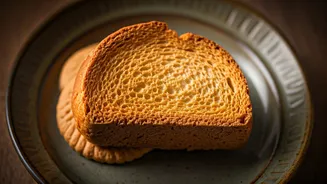
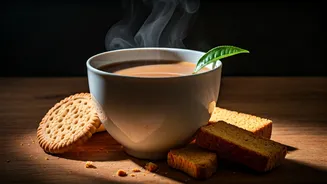
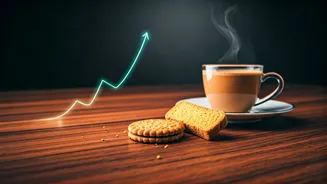
For many in India, the daily cup of chai is an inseparable part of life, often accompanied by a crunchy treat. Biscuits and rusks are the go-to options,
but for individuals mindful of their glucose levels, these seemingly innocent snacks pose a significant concern. Laden with refined flour, added sugars, and detrimental fats, these staples can stealthily disrupt the body's ability to manage blood sugar effectively. Dr. Pranav Ghody, a diabetologist, sheds light on the nuanced differences and surprising similarities between these popular tea-time indulgences, emphasizing their collective impact on metabolic health.
Rusks vs. Biscuits: A Subtle Distinction
When comparing rusks and biscuits as tea-time accompaniments, the difference in their health impact is less pronounced than many believe. Dr. Ghody explains that plain rusks might be marginally better due to their drier composition and often lower fat content compared to biscuits. However, this distinction is not substantial enough to warrant a blanket recommendation. Both are primarily manufactured using refined flour, a key ingredient that rapidly elevates blood sugar levels. The expert stresses that the quantity consumed plays a more critical role; opting for a single small piece is far more beneficial for blood sugar control than mindlessly devouring several pieces, regardless of whether it's a rusk or a biscuit.
The Refined Flour & Sugar Conundrum
The primary reason behind the adverse effects of biscuits and rusks lies in their core ingredients. Commercial preparations predominantly utilize maida, or refined flour. Dr. Ghody elaborates that refined flour undergoes rapid digestion within the body, leading to an immediate and sharp surge in blood sugar. This effect is amplified when sugar is also incorporated into the mix, resulting in an even more pronounced glucose spike. Such rapid fluctuations can trigger a subsequent sharp drop in blood sugar, fostering feelings of hunger and intense cravings shortly after consumption. This creates a detrimental cycle of frequent snacking and unpredictable blood sugar levels, which is particularly problematic for individuals managing diabetes or pre-diabetes.
The Insidious Fat Factor
Beyond refined flour and sugar, the fats present in these snacks are a significant concern, contributing more than just empty calories. Dr. Ghody points out that regular consumption of these fats can exacerbate insulin resistance. This condition diminishes the body's responsiveness to insulin, making it less efficient at processing glucose. Insulin resistance is a major precursor to Type 2 diabetes and other metabolic health issues. Therefore, what might seem like a small, fleeting indulgence can accumulate into a substantial long-term detriment to health. The doctor also cautions that even products marketed with terms like 'digestive' or 'lite' often retain considerable amounts of refined flour and unhealthy fats, misleading consumers into believing they are healthier choices.
Smarter Chai Pairings
To maintain stable blood sugar and enjoy your chai, Dr. Ghody suggests shifting towards snacks rich in protein, fiber, or healthy fats. Excellent alternatives include a modest portion of roasted chana (chickpeas), a small handful of peanuts, makhana (fox nuts), or even a slice of multigrain toast topped with peanut butter. A boiled egg is also a fantastic choice, providing substantial protein that promotes satiety and helps manage hunger pangs. These nutrient-dense options work by slowing down the absorption of sugar into the bloodstream, thereby mitigating post-meal glucose spikes and curbing later cravings. Furthermore, the doctor emphasizes that the sugar content of the chai itself is crucial; even the healthiest snack cannot fully counteract excessive sugar in the beverage. Reducing sugar in your tea is an equally vital step for better health.