



The Soya Advantage
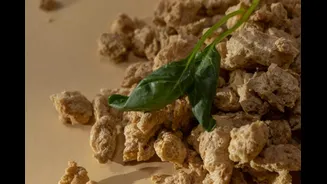
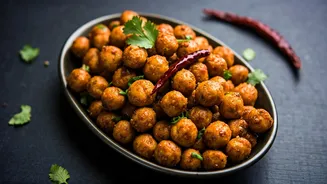
Dive into the world of soya chunks, an often-overlooked vegetarian protein source that deserves a spot in your diet. Each 100g serving delivers a substantial
12–15 grams of protein, vital for muscle maintenance and satiety. In the growing emphasis on high-protein Indian diets, soya stands out as a formidable and versatile ingredient. Many people who haven't enjoyed soya might have simply encountered it prepared inadequately. This recipe aims to change that perception by showcasing soya in a bold, flavourful preparation that highlights its nutritional benefits and culinary potential, proving it can be both delicious and incredibly good for you.
Crafting Thecha Magic
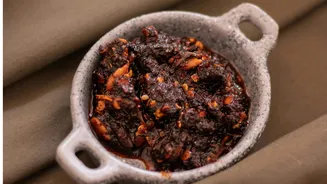
Uncover the essence of Maharashtrian Thecha, a traditional chutney renowned for its bold, rustic character. It's created by coarsely pounding roasted peanuts, pungent garlic, fiery green chillies, and fresh coriander. The intentionally coarse texture ensures each bite offers a delightful burst of crunchy, aromatic elements. In this recipe, the Thecha paste acts as the primary flavour driver, generously coating the cooked soya chunks. This masterful blend not only provides a spicy kick but also infuses the dish with complex aromas and a satisfying texture, transforming simple soya into an exciting culinary experience. The addition of peanuts in the Thecha also contributes healthy fats and an extra protein boost.
Boiling Soya Chunks
Begin by preparing the soya chunks for absorption of flavour. First, rinse the soya chunks under cool running water. In a large pot, bring approximately one litre of water to a rolling boil. To this, add 1 teaspoon of salt, a measure of ginger-garlic paste, and a tiny pinch of sugar, which helps to tenderize the soya. Gently introduce the soya chunks into the boiling water, then reduce the heat to a simmer. Cook for about 6 to 8 minutes, allowing the chunks to swell and become tender. After turning off the heat, let them sit in the hot water for an additional two minutes. Subsequently, drain the soya chunks thoroughly in a colander. Lightly press them to expel excess water, ensuring they are moist but not waterlogged. This preparation step is crucial for optimal flavour infusion in the subsequent stages of cooking.
Thecha Paste Creation
Prepare the heart of the dish: the Thecha paste. In a dry skillet over medium heat, dry-roast ¾ cup of raw, skinless peanuts, stirring consistently for about 4 to 6 minutes until they turn golden and aromatic. Transfer these to a plate to cool. In the same skillet, briefly toast 2 tablespoons of white sesame seeds for 1 to 2 minutes until they start to pop; cool these alongside the peanuts. Next, add 1 tablespoon of oil to the skillet and reduce the heat to low. Lightly sauté 6 to 8 garlic cloves and 4 to 6 green chillies for 1 to 2 minutes; the goal is to soften them slightly without browning. Combine the cooled roasted peanuts and sesame seeds, the lightly sautéed garlic and chillies, and 1 cup of tightly packed fresh coriander leaves in a food processor or mortar and pestle. Season with a pinch of salt. Process or pound until you achieve a coarse, slightly chunky paste – the signature rustic texture of Thecha. Set this vibrant paste aside.
Sautéing and Spicing
Heat 1 to 2 tablespoons of oil in a wide skillet or kadhai over medium heat. Add one thinly sliced medium onion and sauté until it becomes translucent and its edges just begin to brown, which should take approximately 5 to 7 minutes. Introduce the pre-boiled soya chunks to the skillet and toss them well to combine with the sautéed onions. Sprinkle 1 teaspoon of coriander powder and ½ to 1 teaspoon of red chilli powder over the soya chunks, ensuring the spices evenly coat each piece. Sauté for another 2 to 3 minutes. Add a small splash of water, about 2 to 3 tablespoons, to the pan; this helps to deglaze and encourages the soya to absorb the spices. Cover the skillet and cook for 3 to 4 minutes, stirring once halfway through to prevent sticking and ensure even cooking. This process builds the foundational flavour of the dish.
Marrying Flavors
Reduce the heat to low and incorporate the prepared Thecha paste into the skillet. Gently stir it into the soya and onion mixture, ensuring it coats everything evenly. To achieve the desired consistency – whether you prefer a drier dish or a lighter gravy – add 100 to 150 ml of water. Simmer the mixture on low heat for 6 to 8 minutes. This crucial step allows the robust flavours of the Thecha to meld beautifully with the soya and spices, creating a harmonious taste profile. Stir occasionally to prevent any sticking to the bottom of the pan. If you desire a saucier consistency, feel free to add a little more water during this simmering period.
Finishing Touches
Before serving, taste the dish and adjust the salt and spice levels according to your preference. Turn off the flame and stir in 1 to 2 tablespoons of fresh lemon juice; this bright acidity cuts through the richness and elevates the overall flavour. For added texture and a fresh, zesty bite, mix in the remaining thinly sliced raw onion just before serving. Finally, scatter a generous amount of chopped fresh coriander over the top for a final flourish of aroma and colour. This Thecha Soya can be served as a dry vegetable dish or with a light gravy, pairing wonderfully with traditional Indian accompaniments like bhakri, roti, or steamed rice, and is also excellent as a filling for wraps.