







Fearful Potassium Cutbacks
A prevalent misstep involves drastically reducing fruits and vegetables due to concerns about potassium content, leading to the exclusion of nutrient-dense
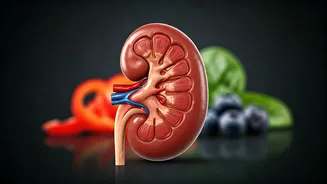
foods like tomatoes, spinach, and bananas. While monitoring potassium is crucial for those with specific kidney conditions, healthy kidneys benefit from these foods. Eliminating them can deprive the body of vital fiber, magnesium, folate, and antioxidants, potentially impacting blood pressure, gut health, and cardiovascular well-being, all of which are interconnected with kidney function. For individuals with healthy kidneys, these plant-based powerhouses are often protective rather than detrimental, supporting overall health and indirectly aiding kidney function through their nutrient profiles.
Plant-Based Pitfalls
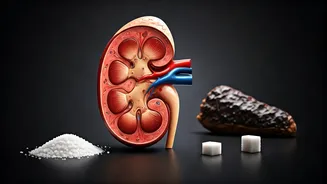
The label 'plant-based' can be misleading, as not all products marketed as such are beneficial for kidney health. Many processed vegan alternatives, such as mock meats and vegan cheeses, fall into the ultra-processed food category. These items often contain elevated levels of sodium and phosphorus additives, which can be problematic for kidney function. Excessive sodium intake can exacerbate high blood pressure and protein in the urine, while added phosphorus can place an undue burden on the kidneys, potentially leading to damage even before traditional lab markers indicate a problem. Therefore, scrutinizing ingredients is vital, as 'plant-based' alone does not guarantee kidney safety, especially if the food originates from a factory setting with added preservatives and sodium.
Risky Protein Extremes
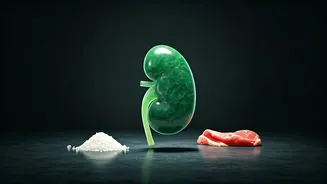
Embracing high-protein diets without a proper assessment of existing kidney function is a common and potentially harmful practice. While a moderate protein intake of 1.0–1.2 grams per kilogram of body weight is generally considered safe and necessary for healthy individuals, excessive protein consumption, particularly from supplements, powders, or large amounts of red meat, can pose significant risks for those with undiagnosed or established chronic kidney disease. This overload can increase pressure within the glomeruli, the filtering units of the kidneys, thereby accelerating damage and compromising their long-term function. It is essential to approach protein intake cautiously and tailor it to individual health needs and kidney status.
The Overwhelm of Skipping Meals
When dealing with the complexities of managing a health condition, such as kidney disease, skipping meals can become a coping mechanism, often driven by the stress of figuring out what is 'safe' to eat. However, this practice can lead to a cascade of adverse effects. Frequent meal skipping contributes to dehydration, which directly reduces blood flow to the kidneys. It can also trigger episodes of low blood pressure and promote muscle breakdown. Furthermore, unstable blood sugar levels resulting from missed meals can worsen existing risk factors for kidney disease. Maintaining a consistent pattern of regular, balanced meals is crucial for ensuring stable kidney perfusion and a well-regulated metabolism.
Diet Chart Dependency
A significant misconception is the expectation that a doctor will provide a universally applicable, detailed diet chart for kidney health. The reality is that kidney nutrition is highly individualized and dynamic, requiring adjustments based on fluctuating lab results, medication regimens, and the specific stage of kidney disease. Relying solely on generic dietary guidelines can lead to unnecessarily restrictive eating patterns, potential nutritional deficiencies, or the overlooking of critical health indicators. Effective kidney health management necessitates an active partnership between the patient and their healthcare team, involving ongoing consultation and personalized advice rather than a one-size-fits-all prescription.