







Overgrown Havens
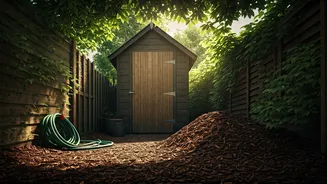
Snakes are drawn to areas with dense vegetation and tall grass, as these provide excellent camouflage and a cooler microclimate, especially during warmer
months and late summer through early autumn. The ground cover traps heat, making these spots appealing for both resting and ambushing prey. This lush environment offers snakes a secure place to conceal themselves from predators and the sun's intensity while patiently waiting for unsuspecting meals to pass by. It's crucial to manage these overgrown sections to reduce their attractiveness to these reptiles.
Hidden Sanctuaries
Loose rocks, stacked stones, and potted plants that remain undisturbed create inviting, cool retreats for snakes. The small, shaded gaps formed beneath these objects offer a respite from the heat. When the ground surface becomes too warm, snakes seek the stable, lower temperatures found under rocks and heavy containers. These seemingly innocuous garden features can become prime real estate for snakes looking for a consistently shaded and protected space to inhabit and hunt.
Structural Entryways
Cracks and hollow spaces within walls, foundations, and retaining walls serve as convenient pathways for snakes to move unnoticed. These structural anomalies provide a sense of security and allow for discreet travel, particularly after dusk. If a gap is large enough for smaller creatures like mice or voles to enter, it's often also suitable for a snake, making these architectural vulnerabilities a significant attractant and access point.
Water Attractions
The presence of water sources, such as ponds, bird baths, or even leaky irrigation systems, acts as a powerful magnet for snakes. These areas attract the frogs, insects, and other small animals that snakes prey upon. Consequently, gardens that are regularly watered or have standing water not only provide hydration for the snakes themselves but also create a reliable food buffet, drawing them into the vicinity.
Snake-Proofing Strategies
Effectively 'snake-proofing' your property involves making it less appealing rather than creating an impenetrable barrier. This includes regularly trimming vegetation, maintaining a short lawn, and clearing away debris like trash, woodpiles, and building materials. Store firewood elevated and away from structures, seal any fissures in walls and foundations, and cover drains and vents with fine mesh. Ensure doors fit snugly to prevent entry and manage rodent populations by keeping food waste secure. Fixing leaky pipes and eliminating standing water are also key. Be particularly vigilant in shaded areas during summer and check warm, undisturbed spaces like basements and garages in winter.
Understanding Behavior
Appreciating snakes' ecological role in pest control and environmental balance is crucial for peaceful coexistence. Most snake bites occur when the animal feels threatened, cornered, or is accidentally stepped on. By understanding their preferred habitats and movement patterns, people can proactively avoid such dangerous encounters. Implementing preventative measures around shelter, food sources, and seasonal changes significantly reduces the likelihood of unwanted interactions. Cultivating awareness, rather than fear, is the most effective approach to living safely alongside wildlife.