






Embrace the Right Rice
Ayurveda views rice as a 'sattvic' food, a term that highlights its ability to energize the body while promoting mental tranquility. The problem isn’t
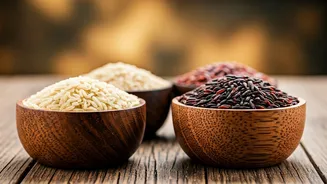
rice itself, but rather the type of rice consumed and how it is eaten. Historically, many Indians ate rice daily and maintained a healthy physique, often due to the consumption of unpolished, local varieties. By making smart choices, you can integrate rice into your diet, enjoying it without the fear of weight gain. Consider incorporating brown, red, or black rice into your meals today, and relish your favorite dishes without guilt.
White & Basmati Rice
White rice and Basmati rice, while popular, require mindful consumption. These varieties, often processed to remove the bran and germ, lead to a quicker rise in blood sugar compared to their whole-grain counterparts. However, this does not mean they are entirely off-limits. The key is moderation. Balancing your plate with ample protein, vegetables, and healthy fats can help mitigate the impact of white or Basmati rice. Pay attention to portion sizes and consider combining them with fiber-rich foods to slow down glucose absorption. Enjoying these types of rice occasionally, as part of a varied and balanced diet, is perfectly acceptable.
Black Rice: Ancient Superfood
Black rice, often referred to as 'forbidden rice' in ancient times, is packed with nutrients and antioxidants. It's an excellent source of anthocyanins, the pigments that give it its dark color and are known for their health benefits. Black rice is a good source of fiber, which aids in digestion and helps you feel fuller for longer. It has a low glycemic index, meaning it causes a slower rise in blood sugar, making it a good choice for those concerned about blood sugar management. Black rice provides a unique, slightly nutty flavor, making it a flavorful addition to any meal. This rice is a superb option for anyone looking for a wholesome and satisfying grain.
Red Rice: Metabolism Booster
Red rice is another excellent option for health-conscious eaters, thanks to its high fiber content and unique properties. The reddish hue comes from anthocyanins, similar to black rice, which offer antioxidant benefits. Red rice is believed to support a healthy metabolism, helping the body burn calories efficiently. It contains a good amount of manganese, a mineral essential for energy production and antioxidant defense. Red rice has a slightly chewy texture and a nutty flavor that pairs well with various dishes. Including red rice in your diet can contribute to overall well-being and support weight management goals, allowing you to enjoy a satisfying and health-promoting meal.
Brown Rice: Fiber-Rich Choice
Brown rice stands out as a top choice due to its high fiber content and is a staple in many health-conscious diets. Unlike white rice, brown rice retains its bran and germ layers, where much of the nutrients are stored. This makes it a great source of fiber, which supports healthy digestion and promotes satiety, helping you feel fuller for longer. Fiber also helps regulate blood sugar levels, preventing spikes and crashes. Brown rice is rich in magnesium, an essential mineral for numerous bodily functions. Its slightly chewy texture and nutty flavor add depth to your meals, making it a versatile and delicious alternative. Incorporating brown rice into your diet is a simple yet effective step toward improved health.