






Zone 2 Cardio Power
Zone 2 cardio is a cornerstone for efficient fat burning. This involves exercising at a moderate intensity, where you can hold a conversation comfortably.
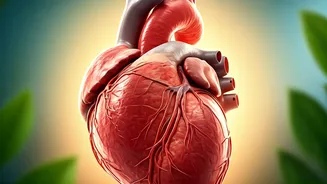
It focuses on using fat as the primary fuel source, maximizing the time you spend in the fat-burning zone. Activities like brisk walking, cycling, or jogging at a steady pace fall under Zone 2. By regularly engaging in Zone 2 cardio, you improve your body's ability to utilize fat for energy, supporting sustainable weight loss. The key is to find a level where you are challenged but can maintain it for an extended period, typically 30-60 minutes, several times a week. This form of exercise not only aids in fat loss but also enhances cardiovascular health and overall endurance. Incorporating Zone 2 cardio into your routine is a foundational step in any successful fat loss program.
Circuit Training Advantage
Circuit training offers a dynamic and time-efficient approach to fat loss. This method involves performing a series of exercises, one after the other, with minimal rest in between. It combines both cardiovascular and strength training elements, boosting your metabolism and burning calories during and after your workout. Exercises such as squats, push-ups, burpees, and planks, when performed in a circuit, target multiple muscle groups. The continuous movement keeps your heart rate elevated, maximizing fat burning. Furthermore, circuit training builds muscle, which further enhances your metabolic rate, enabling you to burn more calories even when you're not exercising. This approach is highly versatile and can be adapted to suit different fitness levels. By engaging in circuit training, you will experience an overall improvement in your muscle tone and cardiovascular health while effectively reducing body fat.
Strength Training is Key
Strength training plays a crucial role in fat loss. While often associated with muscle building, strength training is also a powerful tool for burning fat. Lifting weights increases your muscle mass, which in turn boosts your metabolism. Muscle tissue requires more energy to maintain than fat tissue. This means that having more muscle helps you burn more calories at rest. Exercises such as weightlifting, using resistance bands, or even bodyweight exercises are effective. Incorporating strength training at least two to three times per week provides significant benefits. Focus on compound exercises, like squats, deadlifts, and bench presses, to engage multiple muscle groups simultaneously. Strength training not only helps reduce body fat but also improves bone density, posture, and overall physical strength. It is an essential component of a well-rounded fat loss plan, contributing to a leaner, stronger physique and enhancing your overall health and well-being.