



Salad Essentials Unveiled
Salads, often considered a side dish, are actually quite versatile and can be adapted to fit numerous dietary needs and preferences. A well-constructed
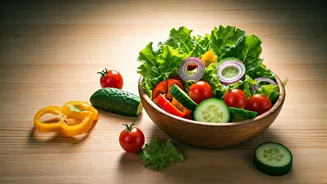
salad can serve as a light appetizer, a complete meal, or a healthy snack. The foundation of any great salad starts with a selection of fresh, high-quality ingredients. This includes a mix of greens like crisp lettuce, spinach, or romaine. Next, consider adding a variety of colorful vegetables, such as tomatoes, cucumbers, bell peppers, and carrots, which provide essential vitamins and minerals. For added protein and healthy fats, include items like grilled chicken, hard-boiled eggs, avocado, nuts, and seeds. The dressing is key to bringing the whole salad together. Whether you prefer a simple vinaigrette or a creamy dressing, the flavor should complement the ingredients without overpowering them. Don't be afraid to experiment with different combinations of ingredients and dressings to find your favorites. Seasoning with herbs and spices can also greatly enhance the taste. Proper preparation, such as washing and drying the greens, is crucial for a pleasant texture. With a little creativity, salads can become a daily source of healthy and enjoyable meals. For a balanced diet, incorporate salads regularly. They make it easier to meet your daily intake of fruits and vegetables.
Classic Caesar Salad
The Caesar salad, a timeless classic, is a staple in many restaurants and home kitchens. The salad features crisp romaine lettuce, tossed with a creamy dressing made from ingredients such as mayonnaise, garlic, lemon juice, Parmesan cheese, and Worcestershire sauce. Croutons, providing a satisfying crunch, are another important component of this salad, and they’re often made from toasted bread seasoned with herbs and olive oil. To add a protein element, grilled chicken or shrimp often accompanies the salad. Begin by washing and drying the romaine lettuce thoroughly, and then tear it into bite-sized pieces. Make the Caesar dressing by whisking all the ingredients together until it becomes smooth and creamy. Toss the lettuce with the dressing until it is evenly coated. Add croutons and optional protein, and then sprinkle with additional Parmesan cheese. For a healthier take, use a lighter dressing, such as Greek yogurt-based alternative. This salad is versatile and can be customized to suit your tastes. A simple and elegant option, the Caesar salad is ideal for lunch, a light dinner, or as a side dish.
Mediterranean Salad's Appeal
Embrace the flavors of the Mediterranean with this vibrant salad, a combination of fresh vegetables, olives, feta cheese, and a light vinaigrette. This salad is both flavorful and packed with nutrients, making it a great option for a light meal. Start with a base of mixed greens, and then add cherry tomatoes, cucumber slices, red onion, and bell peppers. Kalamata olives, adding a briny, savory element, and crumbled feta cheese contributes a salty, creamy taste. The dressing should be simple, consisting of olive oil, lemon juice, dried oregano, salt, and pepper. Simply combine all the vegetables, olives, and feta in a large bowl. In a separate bowl, whisk together the dressing ingredients, then pour the dressing over the salad and toss gently to combine. This salad is incredibly adaptable, letting you experiment with different ingredients. Adding chickpeas or grilled chicken will transform it into a more substantial meal. The Mediterranean salad is perfect for a warm day and complements grilled foods very well. You can customize the dressing by adding a bit of garlic or a splash of red wine vinegar.
Spinach Salad Variations
The Spinach salad is another versatile base for many variations. It is known for its mild flavor and health benefits. Use baby spinach leaves as the foundation, then build upon it with additions that complement the greens. Common additions include strawberries, blueberries, or mandarin oranges for sweetness. Toasted almonds, walnuts, or pecans offer a satisfying crunch. Goat cheese or feta cheese provides a creamy, tangy contrast. For the dressing, a light vinaigrette often works best; poppyseed dressing or a balsamic vinaigrette can be used. When assembling, gently toss the spinach with the other ingredients, adding the dressing just before serving to prevent the spinach from becoming soggy. Adding grilled chicken or salmon turns it into a filling and nutritious meal. The Spinach salad is especially popular in spring and summer when fresh fruits and vegetables are at their peak. It is a fantastic option for those seeking a salad that is both tasty and packed with nutrients.
Quinoa Salad Delight
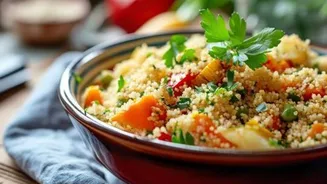
This salad features quinoa, a complete protein source, mixed with a variety of colorful vegetables and a zesty dressing. Quinoa salads are perfect for meal prepping because they hold up well over time, making them a good option for lunch. Start by cooking the quinoa according to package instructions, which usually involves boiling it in water until the grains are tender. Let the quinoa cool down completely before adding other ingredients. Combine cooked quinoa with chopped vegetables, such as bell peppers, cucumbers, and red onion. Add black beans or chickpeas for additional protein and fiber. A simple dressing made from olive oil, lime juice, cilantro, and cumin provides a fresh, vibrant flavor. Toss all the ingredients together just before serving to keep the salad fresh. This salad is exceptionally versatile, accommodating a wide range of tastes. Consider adding avocado, corn, or a touch of spice with a pinch of chili powder. It's a satisfying and flavorful option for any meal, which provides both protein and complex carbohydrates.
Cobb Salad Creation
The Cobb salad is a hearty and visually appealing salad often served as a main course. The components are arranged in neat rows, making it attractive and easy to customize. Start with a base of crisp lettuce, like romaine or iceberg. Arrange cooked chicken or turkey, bacon, hard-boiled eggs, avocado, tomatoes, and crumbled blue cheese across the lettuce. A simple vinaigrette dressing is typical, but a creamy dressing also works well. The key is to ensure that each ingredient complements the others. The Cobb salad offers a satisfying mix of textures and flavors – the crunch of the lettuce, the richness of the bacon and avocado, and the creaminess of the blue cheese. Prepare the ingredients ahead of time to make assembly easier. Serve it as a full meal or a grand lunch. The Cobb salad is an excellent way to incorporate several food groups into one dish.
Fruit Salad Fiesta
Fruit salads are refreshing, easy to make, and ideal for any occasion. They are versatile, catering to diverse tastes. Select a variety of fruits. Common choices include berries, melon, pineapple, grapes, and citrus fruits. Consider the color and texture to make the salad visually appealing. To prevent browning, toss the fruit with a bit of lemon or lime juice. The dressing can be simple, consisting of a honey-lime dressing. For added flavor, sprinkle with fresh mint or basil. This salad is perfect for a summer gathering, a light dessert, or as a side dish. Variations are endless, including the addition of whipped cream, yogurt, or nuts. A fruit salad is the simplest way to get your daily intake of vitamins and minerals. It can be prepared in advance, making it a convenient option.
Pasta Salad Extravaganza
Pasta salads are a crowd-pleaser and offer versatility. Choose any type of pasta, such as rotini, penne, or farfalle. Cook the pasta according to package directions, rinse with cold water, and drain well. Add a variety of vegetables: tomatoes, cucumbers, bell peppers, and red onion. Include protein sources like grilled chicken, chickpeas, or salami. The dressing is crucial, with Italian dressing, vinaigrette, or a creamy dressing all being viable options. Toss all the ingredients together, adding the dressing just before serving to prevent the pasta from absorbing too much of it. This salad is perfect for picnics, potlucks, and barbecues. Consider adding black olives, feta cheese, or sun-dried tomatoes to the mix. Pasta salads can be prepared ahead of time, which makes it perfect for planning.
Bean Salad Bonanza
Bean salads are a healthy, affordable, and flavorful option, packed with fiber and protein. Use a mix of different beans, such as black beans, kidney beans, cannellini beans, and chickpeas. The vegetables could include chopped red onion, bell peppers, and celery. A vinaigrette dressing is commonly used, but a creamy dressing can work well too. Simply combine the beans and vegetables, add the dressing, and mix. This salad is simple to prepare and can be customized with various additions. Add corn, avocado, or a sprinkle of fresh herbs. It is also suitable for vegetarians and vegans. Bean salads are a fantastic choice for a quick lunch or as part of a larger meal. They are perfect for meal prep.
Tips for Salad Mastery
To elevate your salad-making skills, remember a few key tips. Always wash and dry your greens well to prevent a soggy salad. Use a salad spinner if you have one. Vary the textures and flavors. Include a combination of crunchy, soft, sweet, and savory ingredients. Make your dressings from scratch. This gives you control over the ingredients and flavor. Taste and adjust your dressing as needed. Prepare the ingredients ahead of time, but assemble the salad just before serving to avoid wilting. Don't be afraid to experiment with different ingredients and dressings. Salad-making should be fun! With these tips, you can create delicious and nutritious salads that you will enjoy time and again.
Seasonal Salad Ideas
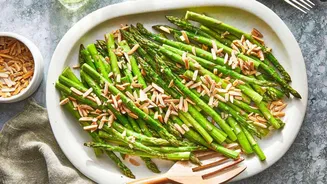
Consider using seasonal produce for the freshest and most flavorful salads. In spring, focus on baby spinach, asparagus, and fresh berries. Summer is ideal for tomatoes, cucumbers, and corn. Fall is the perfect time for salads with roasted root vegetables, apples, and pears. Winter can feature hearty greens, such as kale, and citrus fruits like oranges and grapefruits. Using seasonal produce guarantees the best taste. The best way to utilize the seasons' bounty is to create your salads by looking at what’s in season at the local farmer's market, and then building the salad around that. Seasonal salads bring variety to your meals and help you to eat more locally. By using seasonal ingredients, you support the environment and enjoy the best tastes each season offers.
Dressing Delights
The dressing determines the flavor of a salad, so mastering the basics is crucial. A simple vinaigrette typically consists of oil, vinegar, and seasonings. The ratio should generally be 3 parts oil to 1 part vinegar. Experiment with different types of vinegar, such as balsamic, red wine, or apple cider vinegar. Olive oil is a classic choice, but avocado oil and grapeseed oil also offer great flavors. For a creamy dressing, blend ingredients such as yogurt, mayonnaise, or avocado. Add herbs, spices, garlic, or onion to customize the dressing's taste. Always taste and adjust the dressing as needed. Make sure you use fresh herbs whenever possible. Having a variety of dressings ensures you won’t ever get bored. Store dressings in airtight containers to preserve freshness. Make sure you dress the salad just before serving. With a little practice, creating exceptional dressings will become second nature.
Salads for Weight Loss
Salads can be a great way to support weight loss by providing a low-calorie, nutrient-rich option. When making salads for weight loss, fill them with non-starchy vegetables such as leafy greens, cucumbers, and bell peppers. Add lean protein sources like grilled chicken, fish, or tofu to keep you feeling full. Use healthy fats like avocado or nuts in moderation. Avoid high-calorie dressings or use them sparingly. Prepare salads ahead of time and pack them for lunch. Choose ingredients that are high in fiber, such as beans, lentils, and whole grains, which can help to keep you full. Salads can assist you in controlling portion sizes, since they let you eat a large amount of food with fewer calories. Be sure to consider your overall diet. With the right ingredients, salads can become a delicious and effective tool in your weight management plan.
Salads for Special Diets
Salads are especially adaptable to different dietary requirements. For vegetarians and vegans, replace meat with plant-based protein sources, such as chickpeas, tofu, or lentils. Avoid any animal-based ingredients. For gluten-free diets, verify that the dressing and other components are gluten-free, selecting ingredients like quinoa or brown rice. For those on a keto diet, use salads as a way to boost your daily intake of fat, including fats like avocado, olive oil, and cheese. It’s simple to modify a salad with suitable ingredients to match the particular dietary needs. Check labels carefully to make sure ingredients satisfy your diet. Always look to create a dish that fits your individual requirements, and enjoy.
Salad Storage and Prep
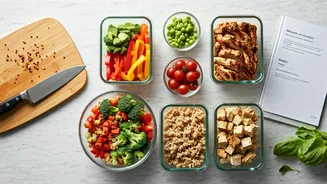
Proper storage and preparation are essential to ensure your salads are fresh, tasty, and safe. Wash and dry all greens thoroughly, as excess moisture can make the salad wilt. Store greens in a sealed container lined with a paper towel to absorb moisture. Chop vegetables and prepare proteins in advance to make assembly easier. Store dressings separately until serving to prevent the salad from becoming soggy. If you want to take your salad with you, pack the dressing in a separate container and add it just before you eat. Making salads in advance can be useful for meal prep. Prepare all ingredients one or two days ahead of time. Ensure you correctly store all ingredients to extend their shelf life. Proper planning and preparation will make enjoying your salads even easier. Take these tips to prevent any food-borne illnesses.