




The Weight Loss Breakfast Dilemma
Navigating the world of healthy breakfasts can be tricky, especially when aiming for weight loss. Indian kitchens often turn to cheelas, celebrated for their
savory taste, versatility, and quick preparation, all while steering clear of refined flours. Among these favorites are besan cheela, crafted from chickpea flour, and dal cheela, typically made from ground lentils. While both are considered healthy options, their subtle nutritional distinctions become paramount when weight management is the primary objective. Understanding these differences—particularly in protein content, how they affect digestion, and expert insights—is crucial for making the most effective choice for your diet and achieving your fitness goals with a satisfying meal.
Besan Cheela: The Satiety Star
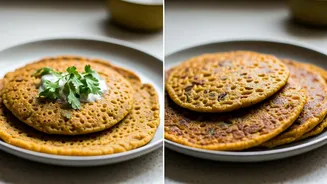
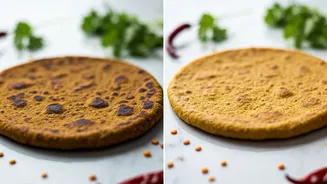
Besan cheela, derived from gram flour (chickpeas), is a powerhouse of plant-based protein and dietary fiber. As nutritionist Pooja Malhotra points out, the low glycemic index of chickpea flour helps stabilize blood sugar levels, preventing sharp spikes and subsequent energy crashes. This translates to sustained energy throughout the day and a significant reduction in sudden hunger pangs, making it an excellent ally for those monitoring portion sizes. Furthermore, research highlighted in the Journal of Nutrition indicates that meals rich in protein and fiber enhance feelings of fullness, directly supporting weight management efforts. Besan also contains resistant starch, a beneficial component that promotes gut health and slows down the digestive process. When prepared with minimal oil and packed with vegetables like onions, spinach, or bottle gourd, besan cheela transforms into a nutrient-dense meal that keeps you feeling satisfied for extended periods without contributing excessive calories. Its ease of preparation, requiring no soaking or grinding, also aids in maintaining dietary consistency, a critical, though often overlooked, factor in successful long-term weight loss.
Dal Cheela: Lightness and Digestibility
Dal cheela, commonly prepared using soaked and then ground lentils, such as moong dal or a blend of various dals, offers a distinct advantage in terms of digestibility. Moong dal, in particular, is renowned for being exceptionally light and easy on the stomach, making dal cheela an ideal choice for individuals with sensitive digestive systems or those prone to bloating. It provides essential protein without the feeling of heaviness that can sometimes accompany other protein sources. Lentils are naturally abundant in soluble fiber and plant protein. Studies suggest that incorporating pulses regularly into calorie-controlled diets can contribute to a reduction in overall body weight and waist circumference. Typically, dal cheela is lower in both fat and calories when compared to its besan counterpart, especially when made with little to no added oil. This makes it a favorable option for those seeking a lighter meal. However, due to its softer texture and slightly lower fiber content compared to besan cheela, it might not provide the same prolonged feeling of fullness, particularly if consumed without accompanying vegetables or a protein-rich side dish.
Choosing Your Champion Cheela
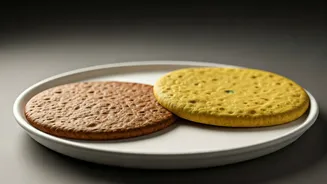
Both besan cheela and dal cheela can be valuable additions to a weight-loss diet, but they cater to slightly different needs. Besan cheela often takes the lead when the primary goal is prolonged satiety due to its higher fiber content and slower digestion rate. It's particularly beneficial if you find yourself battling frequent snacking urges or struggling with large gaps between meals. On the other hand, dal cheela is the superior choice if you prefer a meal that feels lighter, is gentle on your digestive system, and contains fewer calories. It can be an excellent option for an evening meal or on days when your physical activity is lower, as it provides essential protein without feeling heavy. For those focused on sustained fullness and managing cravings throughout the day, besan cheela might be the preferred option. Conversely, dal cheela is better suited for individuals prioritizing a lighter, stomach-friendly, yet protein-rich meal. When prepared and consumed mindfully, either cheela can effectively support your healthy and sustainable weight loss journey.