





Supply Squeeze Impact
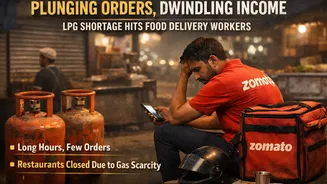
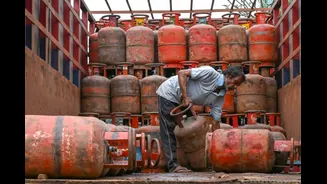
A significant concern currently affecting the restaurant sector is the dwindling supply of commercial Liquefied Petroleum Gas (LPG) cylinders. This scarcity
is poised to create immediate operational hurdles for eateries across the country. The reduced availability of this essential cooking fuel could directly hinder their capacity to serve patrons, whether dining in or opting for delivery. Consequently, the overall volume of food orders facilitated by delivery platforms may experience a contraction. Analysts highlight that while not a long-term structural issue, the immediate disruption warrants close observation, as the duration and severity of the shortage will dictate the extent of its effect on business operations and the seamless flow of food deliveries.
Key Concerns Identified
In light of the commercial LPG supply disruption, a prominent financial analysis firm has pinpointed four critical areas demanding attention. Firstly, the sheer scale of commercial LPG consumption within India's vibrant food industry is a significant factor. Secondly, the nation's reliance on supply routes that traverse the Strait of Hormuz introduces a geopolitical vulnerability. Thirdly, the report delves into how intensely restaurant kitchens depend on LPG and the typical reserves they maintain to buffer against supply fluctuations. Lastly, and perhaps most critically for consumers, the analysis examines the potential repercussions on the availability of food delivery orders, which could directly influence customer experience and platform order volumes, particularly in the lead-up to busy periods.
Delivery Volumes at Risk
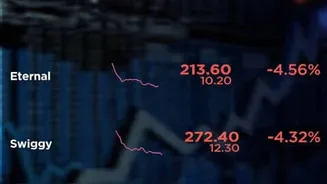
The food delivery sector, which has shown encouraging growth in gross order value over recent financial quarters, now faces a potential hiccup. This LPG disruption, if it persists through March, could significantly temper the expected expansion of food delivery volumes. Restaurants experiencing constrained LPG availability might be forced to curtail cooking hours, restrict their menu offerings to essential items, or even temporarily suspend operations until replenished supplies arrive. These operational limitations translate directly to a reduced real-time availability of orders on food delivery platforms. As a result, the anticipated growth trajectory for food delivery order volumes could be moderated, as the overall capacity of restaurants to fulfill these orders becomes a bottleneck.