






Understanding Cirrhosis Reversibility
Receiving a cirrhosis diagnosis can bring about significant concern, prompting questions about the potential for recovery. Experts clarify that while the condition
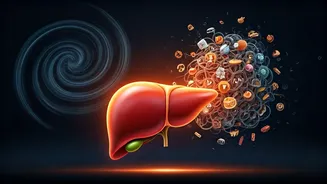
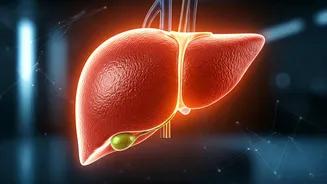
is often a consequence of long-term issues like excessive alcohol use, chronic hepatitis B or C, fatty liver disease, or autoimmune conditions, its reversibility is highly dependent on the disease's progression. In advanced stages, where substantial and permanent scarring has occurred, full reversal is generally not feasible. The focus then shifts to managing the condition and preventing further damage to the liver. However, if cirrhosis is identified in its nascent stages, there is a distinct possibility for partial recovery. This early intervention, coupled with dedicated treatment plans and crucial lifestyle modifications, can lead to improvements in liver function and potentially reverse some of the damage sustained by the organ.
Improving Liver Function Through Treatment
The potential to enhance liver function significantly exists, particularly when cirrhosis is diagnosed early in its development. Effective treatment regimens and diligent lifestyle adjustments can play a pivotal role in this improvement. A cornerstone of management involves identifying and addressing the primary cause of the liver damage. For instance, discontinuing alcohol consumption is paramount for individuals whose cirrhosis stems from excessive drinking. Similarly, managing infections associated with hepatitis or adopting a healthier diet can contribute to slowing the disease's advancement. By actively mitigating the root cause, patients can facilitate a degree of healing and improve their overall liver health, thereby enhancing its functional capacity and potentially halting further deterioration.
Essential Lifestyle Adjustments
Fundamental shifts in daily habits are indispensable for effectively managing cirrhosis and promoting liver well-being. Foremost among these is the absolute cessation of alcohol consumption, a critical step for anyone diagnosed with this condition. Beyond this, adopting a balanced diet that is intentionally low in salt is highly recommended to reduce fluid retention and manage potential complications. Maintaining a healthy weight through regular physical activity and consistent medical follow-ups are also vital components of a comprehensive management plan. Furthermore, it's crucial to address and effectively manage any co-existing medical conditions that might impact liver health. Patients are also strongly advised to avoid self-medication, as certain drugs can inadvertently place additional strain on the liver, hindering recovery and exacerbating the condition.
Treatment Modalities for Cirrhosis
The primary objective of medical interventions for cirrhosis revolves around impeding or completely halting the progression of the disease. Treatments are meticulously tailored to address the specific underlying cause driving the liver damage. This might involve utilizing antiviral therapies for patients suffering from hepatitis infections or prescribing medications designed to manage and alleviate the various complications that can arise from cirrhosis. Unwavering adherence to strict alcohol avoidance remains a non-negotiable aspect of treatment for all patients. Alongside these therapeutic measures, regular medical monitoring and ensuring adequate nutritional support are equally crucial for maintaining liver health and optimizing treatment outcomes. These combined efforts aim to preserve liver function and improve the patient's quality of life.
The Role of Liver Transplant
In instances where cirrhosis has advanced to a critical stage and the liver's functionality has significantly declined, a liver transplant emerges as a potential, and sometimes the only, viable treatment option. This complex procedure involves replacing the diseased liver with a healthy organ from a donor. While a transplant is a major undertaking, the long-term prognosis for patients who undergo this surgery can be remarkably positive. With diligent post-operative care, consistent adherence to medical advice, and ongoing follow-up appointments, many individuals can experience a significantly improved quality of life and can anticipate living for an extended period, often ranging from 10 to 20 years or even longer after the transplant.