
Who Are The Pathare Prabhus?
Delving into the origins of the Pathare Prabhu community reveals their status as one of Mumbai's earliest settlers, predating much of the city's recorded
history. Alongside the Kolis and five other distinct groups, they were foundational to the islands that would eventually form the bustling metropolis. This ethno-religious community, though small with approximately 7,000 members globally, primarily residing in Western India, boasts a lineage tracing back to King Ashwapati of Nepal, part of the solar dynasty. Their ancestral journey through regions like Gujarat, near the sacred Somnath temple, before finally settling in Mumbai, has profoundly influenced their unique culinary expressions, even leading to linguistic borrowings from Gujarati and Marwari. Beyond their gastronomic contributions, members of this community have shaped Mumbai's landscape by establishing significant landmarks such as the Mahalakshmi Temple, Bhau Cha Dhakka (Ferry Wharf), Kirtikar Market, and the Prabhadevi Mandir in Dadar. Influential figures like statesman Mukundrao Jayakar, and more recently, food personality Kunal Vijayakar, alongside actors Shreyas Talpade and Mahesh Kothare, hail from this distinguished community. Despite their modest numbers, the Pathare Prabhus have left an indelible mark on Mumbai's heritage, and their cuisine, though quietly preserved, is a testament to this enduring presence.
A Distinct Culinary Identity
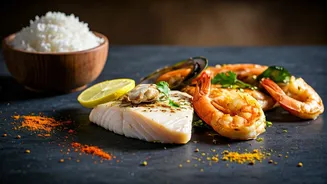
Pathare Prabhu cuisine occupies a unique space, resisting categorization within broader Maharashtrian culinary traditions. Its distinctiveness stems from a confluence of historical and gastronomic factors, setting it apart from typical Maharashtrian, Malvani, Konkani, and even Goan-Portuguese flavors. A standout characteristic is its pronounced emphasis on seafood, a direct consequence of their historical proximity to Mumbai's coastline. Unlike other Maharashtrian communities where chicken and mutton often take center stage, Pathare Prabhus developed a sophisticated palate for the ocean's bounty, favoring premium and often rare varieties such as Ghol fish, Rawas, Black Pomfret, White Pomfret, large prawns, and lobsters. Furthermore, their approach to coconut diverges significantly from most coastal Maharashtrian cooking; instead of the common practice of using grated coconut, they employ coconut cream and milk, echoing techniques found in Southeast Asian curries. These rich, creamy preparations are known as 'sambare'. The true enigma, however, lies within their spice blends, particularly the closely guarded 'parbhi masala'. This signature spice mix, passed down through generations with variations between families, typically comprises 16 to 20 ingredients, including whole wheat and split Bengal gram, with some accounts suggesting an even higher number of components. Their 'sambhar masala' is notably different from its South Indian namesake and is reported to contain an impressive thirty-two spices, contributing to the cuisine's complex and layered flavor profile.
The Non-Veg Infusion
A charming and distinctive aspect of Pathare Prabhu cooking is their almost enthusiastic embrace of incorporating non-vegetarian elements into a wide array of dishes. This culinary philosophy, often playfully termed 'PP-fying,' involves integrating minced prawn or mutton into traditional Maharashtrian preparations that might otherwise be entirely vegetarian. Examples of this include upma enriched with prawns, or alu vadi featuring a mutton kheema filling. Even karanji, a dish typically known for its sweet profile, is given a savory twist with a kheema-based stuffing. This innovative spirit extends to adapting recipes from other communities as well; the Gujarati classic 'undhiyo,' a mixed vegetable dish, is transformed into the 'PP Ghada,' which incorporates shrimp and Ghol fish, and in some versions, even dried fish like dried prawn or dried Bombay duck. This deliberate layering of seafood or meat into existing dishes isn't a sign of culinary shortcutting but rather a reflection of centuries of living by the sea, abundant with fresh seafood, and a community ethos that saw no reason to limit their ingredients when the ocean provided such rich offerings.
Iconic Dishes to Savor
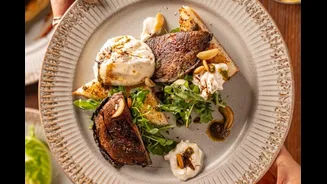
The Pathare Prabhu culinary repertoire is both extensive and remarkably specific, featuring dishes with names often inspired by the sounds of their preparation. 'Chimbori che Khadkhadle,' a celebrated crab preparation served in a spicy garlic gravy, derives its name from the crackling sound crabs make when introduced to a hot pan. The immediate sensory appeal of this dish lies in its aroma, a captivating blend of fresh crab, creamy coconut milk, and an undefinable hint of ancestral tradition. Beyond this standout dish, the community's culinary creations are diverse and unique. Other notable dishes include 'Tomato chi Sheer,' which combines tomatoes and prawns simmered in coconut milk; 'Bombil Methkut,' a tangy preparation of fresh Bombay duck with a pickle masala; 'Kolambi che Atle,' a zesty dish featuring prawns and tamarind; 'Cauliflower che Bhanavle,' a baked delicacy often made with shrimps or prawns; and 'Kairi che Kharone,' a delightful concoction of raw mango and coconut milk. A cornerstone of their culinary heritage is the 'Parbhi Pao,' the community's distinct bread. Cultivating their own yeast is crucial to achieving the bread's signature texture – spongy yet coarse. Traditionally, this bread is savored by dipping it into thick, luscious 'aamras.' The aroma of fermenting sourdough from a Pathare Prabhu home can be surprising to newcomers, but the unique flavor of the finished bread leaves a lasting impression. The Pathare Prabhus are also recognized as the pioneers of bread-making in Western India, crafting pav suitable for local Hindu consumption without animal fats, a tradition that continues in homes today, often served alongside aamras.
Refined Cooking Style
Pathare Prabhu cooking is characterized by its understated elegance and precision, eschewing ostentatious presentations or overpowering spice profiles. Rather than rich, heavily spiced gravies, their dishes lean towards stew-like preparations, featuring a more generous use of onions and a subtler hand with tomatoes. While they consume non-vegetarian food year-round, their meat consumption is notably higher compared to many other Maharashtrian communities. The flavor palette is refined and balanced, rather than aggressively bold. The use of coconut milk contributes a luxurious, silky texture to their gravies, while the carefully crafted sambhar masala imparts depth without masking the intrinsic flavors of the ingredients. Their preference for high-quality, premium seafood ensures that the cooking methods are designed to highlight the natural taste of the fish or crab, rather than overwhelming it with excessive spice. This culinary tradition is often described as a harmonious fusion of Maharashtrian and coastal influences, subtly integrated with an English style of cooking, reflecting the community's educated background and their historically comfortable relationship with the British era in Mumbai. This sophisticated approach results in dishes that are both deeply flavorful and remarkably delicate.
Preserving Culinary Heritage
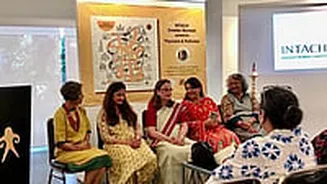
The enduring legacy of Pathare Prabhu cuisine, spanning over seven centuries, presents an intriguing paradox: its survival has been intrinsically linked to its exclusivity, yet this very inaccessibility now poses a threat to its future. The community's relatively small size and a historical inclination towards keeping recipes private have rendered this rich culinary tradition largely unknown to outsiders. Experiencing it typically requires a personal invitation into a Pathare Prabhu home, as no restaurant in Mumbai has historically featured this cuisine on its menu. These treasured recipes reside in handwritten journals, are held in the memories of elders, and are ingrained in the muscle memory of cooks who have prepared them for generations during festivals. However, a shift is occurring in recent years, with some community members recognizing the value of sharing their heritage before it potentially fades. Pop-up dining events organized by Pathare Prabhu families in Mumbai have emerged as a quiet but significant movement. Prominent food personalities from the community, such as Kunal Vijayakar, have played a vital role in bringing this cuisine into wider public discourse. Even chefs at high-end restaurants are beginning to explore and adapt these unique flavors. Kalpana Talpade, a distinguished home chef and former MasterChef India contestant from the community, has generously shared her family's recipes through her YouTube channel, offering an unprecedented glimpse into this once-private culinary world. This move towards openness is not seen as a dilution of identity; the precise masala proportions remain familial secrets, the Parbhi Pao yeast is still cultivated at home, and the traditional cooking techniques and philosophies endure. What has evolved is a greater willingness to invite others to partake in this extraordinary culinary legacy.
Why This Cuisine Matters
Within the vast and celebrated landscape of Indian food culture, certain pockets of tradition, characterized by their extreme specificity and small scale, face the risk of disappearing unnoticed. Pathare Prabhu cuisine stands as a poignant example of such a tradition. The continuation of a 700-year-old culinary legacy by a community of just 7,000 individuals represents a remarkable feat of cultural endurance. It is a narrative of a people whose journey, from their origins and migrations through Gujarat and Rajasthan to their eventual settlement on the islands that would become India's financial capital, is deeply interwoven with their cooking practices. The very essence of this cuisine – the crab that crackles with flavor, the distinctive aroma of sourdough bread evolving into something extraordinary, and the creamy coconut milk curries that evoke Southeast Asian notes without entirely replicating them – speaks volumes about its origins and the hands that have meticulously crafted it over centuries. This profound connection to place and people makes Pathare Prabhu cuisine a rarity in the culinary world, far more valuable and worth seeking out than many might realize.