





Glute Bridge Basics
The glute bridge is a fundamental exercise that primarily targets the gluteal muscles, which are crucial for hip extension and spinal stability. This movement
involves lying on your back with your knees bent and feet flat on the floor, then lifting your hips towards the ceiling. The goal is to create a straight line from your shoulders to your knees at the peak of the lift. When performing this exercise, it's important to ensure your knees are aligned with your ankles and to actively engage your glutes as you lift your hips. Crucially, avoid excessive arching of the lower back, focusing instead on a controlled, upward movement driven by the gluteal muscles. This exercise not only strengthens the glutes but also plays a vital role in stabilizing the pelvis and lower back, contributing to better posture and reduced risk of back pain.
Supine Heel Drops
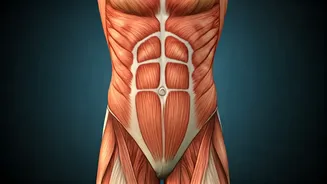
Supine heel drops are an excellent exercise for targeting the deep abdominal muscles and enhancing lumbar stability without putting undue stress on the back. Performed while lying on your back with your knees bent at a 90-degree angle and feet lifted off the floor, the exercise involves slowly lowering one heel to gently tap the floor. The key is to maintain constant pressure of your lower back against the floor throughout the movement. Remember to move with deliberate control, exhaling as you lower your heel. It’s also important to keep your neck neutral and your shoulders relaxed, ensuring that the focus remains on engaging the abdominal muscles. This controlled movement helps to build endurance in the core and reinforces proper spinal alignment, making it a safe and effective option for back health.
Knee-Assisted Side Planks
This variation of the side plank is specifically designed to strengthen the oblique abdominal muscles and other core stabilizers, including the pelvic floor, transversus abdominis, and multifidus. By performing the side plank with your knees bent and on the floor, you can effectively engage these muscles while maintaining proper form and reducing strain. The objective is to keep your body in a straight line from your head to your knees, actively lifting your hips away from the floor to create tension. It's vital to avoid collapsing into your shoulders and to maintain a strong, engaged core throughout the hold. This exercise is instrumental in building lateral core strength, which is essential for rotational movements and overall torso stability.
Scapula Push-Ups
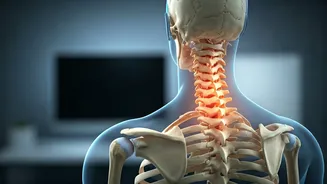
While standard push-ups are renowned for building upper body strength in the chest, shoulders, and triceps, this variation places a unique emphasis on the often-underworked muscles of the upper back, such as the scapula and rhomboids. The knee-assisted scapula push-up involves focusing on the controlled movement of the shoulder blades. Instead of bending your elbows, the primary motion comes from retracting and protracting your shoulder blades. This action helps to improve posture by strengthening the muscles that support the spine and keep the shoulders in a healthy position, preventing them from rounding forward. Engaging these back muscles is crucial for a balanced physique and can significantly alleviate strain on the neck and shoulder area, making it a beneficial exercise for overall postural health.
Bird Dog Dynamics
The bird dog exercise is a highly effective movement for enhancing core strength and improving balance. You begin on your hands and knees, ensuring your hands are directly under your shoulders and your knees are under your hips. The exercise involves simultaneously extending one arm forward and the opposite leg backward, aiming to keep them parallel to the floor. The crucial element here is to maintain a tightly engaged core throughout the extension to prevent any loss of balance or tilting of the pelvis. Hold the extended position briefly before returning to the starting point and repeating with the opposite arm and leg. This contralateral movement challenges your stability and strengthens your core muscles, promoting better coordination and reducing the risk of imbalances.