





Orbital Event Unfolds
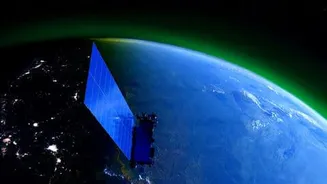
SpaceX has confirmed a loss of contact with one of its Starlink satellites, citing an "anomaly" that led to its presumed destruction. While the exact cause
remains undisclosed by SpaceX, independent space-tracking firm LeoLabs reported detecting numerous fragments in the vicinity shortly after the event. This incident is particularly noteworthy as it mirrors a similar situation that occurred in December, where another satellite also experienced a catastrophic failure. These occurrences raise questions about the reliability and safety of the rapidly expanding constellation operating in low Earth orbit.
Safety and Debris Concerns
The company has reassured the public and relevant authorities that the satellite's disintegration poses no immediate threat to the International Space Station, its crew, or the upcoming Artemis II mission. SpaceX is actively monitoring the satellite and its resultant debris, coordinating with NASA and the U.S. Space Force. Projections indicate that the satellite and its fragments will naturally de-orbit and burn up in Earth's atmosphere within a few weeks. SpaceX stated its commitment to thoroughly investigating the root cause of this baffling event, seeking to prevent future occurrences. This latest mishap occurred approximately 560 kilometers above Earth, a region already densely populated with over 24,000 tracked objects, including a significant number of Starlink satellites.
Broader Satellite Network Context
This latest satellite failure follows closely on the heels of a previous incident in December where communication was abruptly lost with another Starlink satellite, which also appeared to disintegrate. This earlier event took place just a week after a near-miss incident involving a Chinese satellite. The proliferation of satellites in low Earth orbit, including the thousands operated by SpaceX for its Starlink internet service, has led to increased discussions about orbital congestion and potential risks. In January, SpaceX submitted a request to the FCC seeking approval for potentially up to one million additional satellites, aimed at establishing orbital data centers. This ambitious plan, announced by SpaceX president and COO Gwynne Shotwell, underscores the company's aggressive expansion strategy in space-based infrastructure.