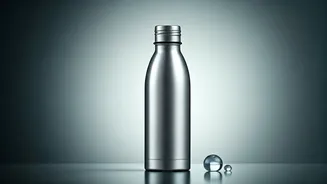






The Metallic Mystery
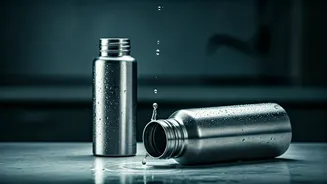
A surprising metallic taste emanating from your trusty steel water bottle can be quite disconcerting, transforming a moment of expected refreshment into
a rather unpleasant experience. This common issue often leads to questions about the safety of the water and the integrity of the bottle itself. However, according to experts, the primary culprit behind this metallic tang is rarely the water source, but rather the composition and finishing of the steel bottle. High-quality stainless steel, particularly grades like 304 or 316, is engineered for its inert properties, meaning it's resistant to corrosion and chemical interactions. These superior grades are less likely to release any substances that could subtly alter the taste of the liquid stored within. Conversely, bottles constructed from lower-grade stainless steel or those with less meticulous inner finishing are more susceptible to reactions. Over time, factors such as prolonged exposure to moisture, varying temperatures, or acidic contents like lemon-infused water can cause a slight degradation of the inner surface, leading to the perceptible metallic undertone in your sips. Furthermore, inadequate cleaning practices can exacerbate the problem. The accumulation of mineral deposits from tap water or lingering residues from previous beverages can create an environment where the water's flavor is inadvertently compromised.
Layered Bottles: Beyond the Hype
The common assumption that double-layered, insulated steel water bottles offer an inherent advantage in terms of water safety is not entirely accurate. While these bottles are popular for their ability to maintain temperature, their layered construction doesn't automatically guarantee superior chemical safety for the water itself. The fundamental determinant of safety and taste preservation remains the grade of stainless steel used in the bottle's construction, irrespective of whether it's single or double-walled. However, insulated bottles do present an indirect benefit concerning hygiene. By moderating external temperature fluctuations and keeping the contents cooler for extended durations, they create a less hospitable environment for microbial proliferation. This is particularly significant in warmer climates or when water is carried for long periods. In essence, while not directly impacting chemical safety, the temperature regulation provided by double-layered bottles can contribute to improved overall hygiene and a more pleasant drinking experience when compared to their single-layered counterparts, especially for daily commuters.
Ensuring Pure Sips
To proactively prevent the unappetizing metallic taste from plaguing your steel water bottle, several straightforward recommendations can be followed. Prioritize selecting bottles that are manufactured using high-grade stainless steel, specifically the 304 or 316 variants, as these are known for their durability and non-reactive properties. It's also prudent to avoid storing beverages with acidic properties, such as fruit juices or flavored water, in your steel bottle for excessively long periods, as this can accelerate potential reactions with the inner lining. Regular cleaning is paramount; use a mild soap and ensure the bottle is thoroughly rinsed and allowed to air dry completely between uses to prevent the buildup of residues or mineral deposits. Finally, pay attention to the condition of your bottle. If you begin to notice any signs of rusting, pitting, or a persistent, unshakeable odor, it is advisable to replace the bottle. A mild metallic taste is often a signal of a quality compromise rather than a critical health risk, but investing in a well-made bottle and maintaining it diligently will significantly enhance your hydration experience, ensuring each sip is as crisp and clean as intended.