



Robotic Seed Deployment
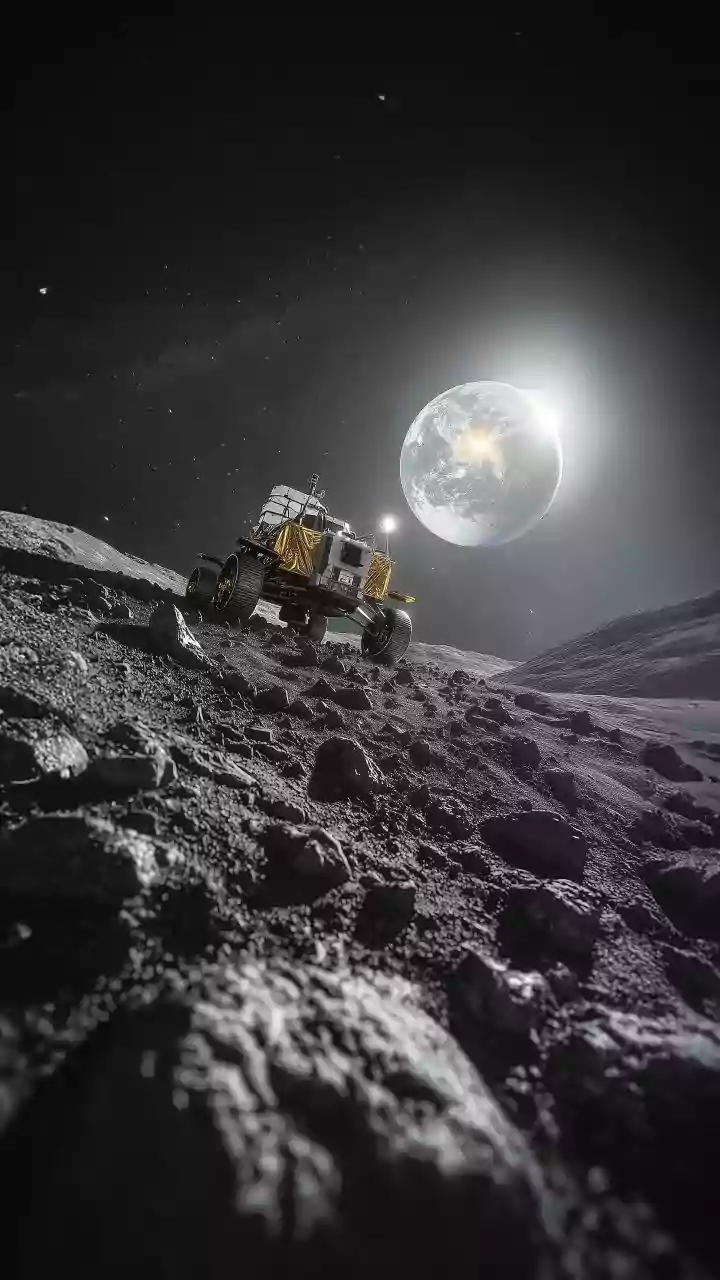
Current Mars exploration primarily relies on large rovers, which are too big to enter the planet's extensive lava tube systems. These underground networks,
some spanning over 820 feet (250 meters) in width and stretching for thousands of miles, present a significant exploration challenge. To overcome this, scientists are proposing a novel approach inspired by nature: a "roly-poly robot" designed like a pillbug. This deployable unit would descend into lava tubes, carrying thousands of tiny, dandelion-like drones. Upon release, these miniature drones would be propelled by the Martian winds, allowing them to travel great distances and meticulously map the intricate tunnel systems. This biomimetic strategy aims to exploit natural phenomena for unprecedented subterranean exploration, a feat impossible for current terrestrial-scale rovers.
Wind and Power Challenges
A significant hurdle for the dandelion drones is ensuring sufficient wind to propel them through the Martian lava tubes. As these subterranean spaces have never been explored by human-made devices, the exact wind conditions remain uncertain. However, researchers anticipate that openings in the cave ceilings might create natural ventilation, leading to strong internal winds. To compensate for potential wind deficiencies or fluctuations, the central roly-poly robot is equipped with a powerful fan. Another crucial challenge is power generation, as sunlight cannot penetrate the caves, rendering conventional solar panels ineffective. The dandelion drones are ingeniously designed to utilize piezoelectricity, generating electricity from a flexible polymer, ensuring sustained operation within these dark environments.
Design and Data Collection
In mimicking nature, the design of the dandelion drones incorporates principles observed in airborne seeds. For instance, natural air-propelled seeds are often white to reflect sunlight, staying cooler and lighter, which allows them to travel further. Consequently, the Martian dandelion drones will be painted white to optimize their flight range. Once airborne, these drones will function as mobile sensor platforms, transmitting collected data via radio signals. Their mission includes gathering vital readings on humidity and temperature, and ultimately constructing a comprehensive 3D blueprint of the entire lava tube network. This data will be instrumental in understanding the scale and potential habitability of these Martian underground systems.
Broader Lava Tube Interest
The exploration of Martian lava tubes is a growing area of interest for multiple scientific bodies. European scientists have conducted tests by deploying robots into lava tubes on Lanzarote, Spain, to map them for future Mars missions. NASA, too, has explored Mars' surface with rovers, such as Curiosity and Perseverance, highlighting the planet's potential for discovery. While some past NASA drone designs were intended for open-air flight and didn't reach the lava tubes, the agency's continued interest is evident. NASA is particularly focused on regions like Arsia Mons, a shield volcano with skylights revealing extensive tunnel networks, suggesting stable internal temperatures that could potentially support life or its remnants and offer future human habitats.