






Body's Midlife Changes
As we enter our forties and fifties, our bodies undergo subtle yet significant physiological transformations that can increase our vulnerability to exercise-related
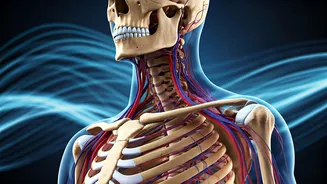
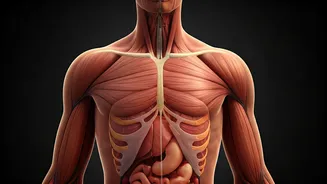
injuries. A natural decrease in muscle mass and strength begins, making us less resilient to sudden demands. Tendons and ligaments also lose some of their elasticity, becoming stiffer and more prone to tears. The body's capacity to repair the microscopic damage that occurs during exercise slows down considerably, meaning recovery takes longer. Furthermore, cartilage in our joints starts to wear, and bone density may decline, particularly for women, leading to a higher risk of fractures and strains. Hormonal fluctuations also play a role, impacting both muscle and bone health. These combined factors mean that activities once performed with ease might now place undue stress on our bodies, making us more susceptible to strains, sprains, and overuse injuries if we don't adjust our approach accordingly.
Common Training Pitfalls
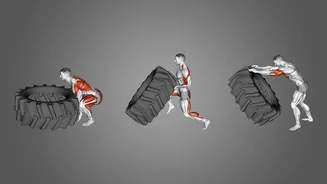
A frequent misstep for individuals in midlife is applying the same training intensity and recovery strategies that worked in their younger years. Many neglect crucial warm-up routines, underestimating the importance of preparing muscles and joints for exertion. The need for dedicated mobility exercises to maintain flexibility is often overlooked, and there's a tendency to push for rapid gains in weight or workout intensity, which can be detrimental. Critically, early signs of discomfort, such as persistent soreness or joint pain, are frequently dismissed or pushed through, potentially escalating minor issues into significant injuries. Inconsistent training habits, swinging from periods of inactivity to sudden, intense bursts of activity, further amplify the risk of setbacks, disrupting the body's adaptation process.
Crafting a Midlife Plan
Developing an effective and safe fitness regimen in midlife hinges on a balanced approach that prioritizes strength training, mobility work, and judicious cardiovascular exercise. Consistent strength training is paramount for preserving lean muscle mass and bolstering joint support, thereby enhancing stability and reducing the risk of falls or sprains. Complementing this, mobility exercises are essential for maintaining a healthy range of motion, preventing stiffness, and improving overall functional movement. For cardiovascular health, opt for low-impact activities like brisk walking, cycling, or swimming, which provide excellent aerobic benefits without placing excessive strain on joints. Integral to any midlife fitness plan is dedicating sufficient time to rest and recovery; recognizing that your body requires more time to heal post-exercise is key to long-term consistency and injury prevention, allowing you to continue your fitness journey without interruption.