




Ancient Roots of Collars
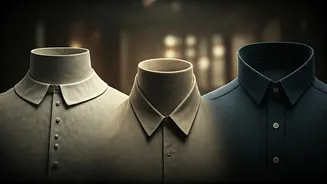
The story of the shirt collar begins surprisingly in the 15th century, primarily as a practical addition to the attire of the clergy. Back then, these
early collars were not about aesthetics but about safeguarding the neck from the abrasive textures of stiff religious garments. They served as a protective layer, preventing chafing and discomfort during long hours of wear. This initial function laid the groundwork for a garment feature that would eventually transcend its humble beginnings and become a significant aspect of clothing design, demonstrating how utility often precedes fashion in the evolution of apparel.
Renaissance Status Symbols
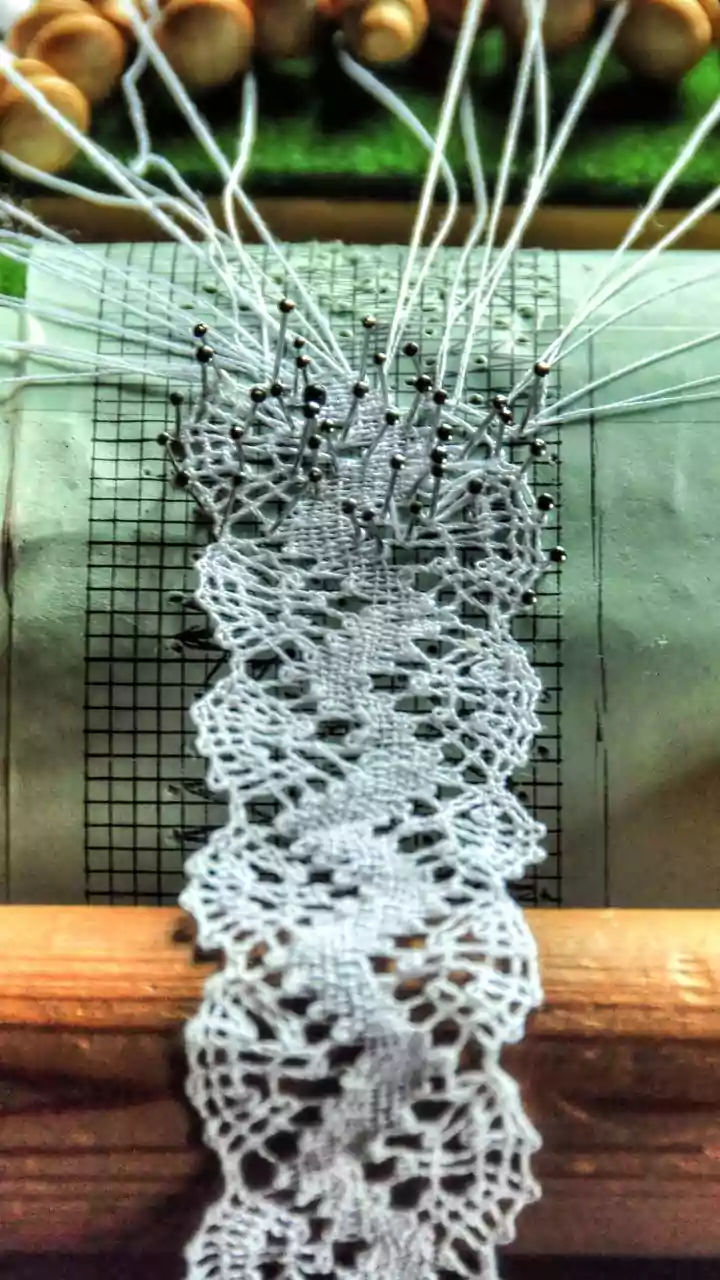
As centuries turned and the Renaissance bloomed, the shirt collar underwent a dramatic transformation, shifting from a purely functional element to a potent symbol of wealth and social standing. The simple neck protector evolved into elaborate, ornate ruffs that became synonymous with aristocratic fashion. These flamboyant neckpieces were not merely decorative; they were a conspicuous display of a person's ability to afford the intricate craftsmanship and abundant fabric required to create them. This period marked the collar's ascent from everyday utility to a high-fashion statement, showcasing how clothing can be used to communicate social hierarchy and cultural trends of an era.
Structural and Protective Role
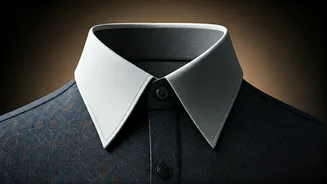
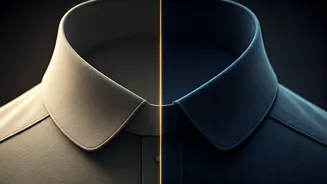
Beyond aesthetics and status, collars have always played a crucial role in the structural integrity and functionality of shirts. They are expertly designed to frame the face, providing a neat and defined silhouette that lends an air of polish and sophistication to any outfit. This framing effect is particularly important in formal wear, where a well-structured collar contributes significantly to a sharp and put-together appearance. Furthermore, collars historically offered practical protection against the elements, shielding the neck from chilly winds and the harshness of outer layers. This dual role of enhancing appearance while providing a degree of physical comfort underscores the collar's enduring design value.
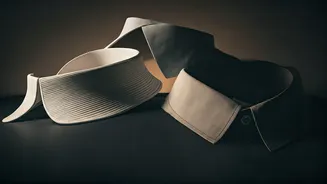
The Rise of Detachable Collars
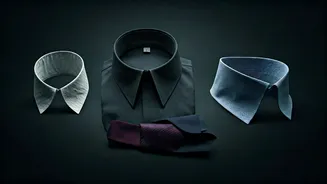
The 19th century introduced an innovative solution to the maintenance challenges of collared shirts: the advent of detachable collars. In an era where laundry processes were considerably more laborious, washing an entire shirt just to clean its collar was an inefficient undertaking. Detachable collars offered a practical workaround, allowing wearers to unfasten and clean just the collar separately, or even replace a soiled one with a fresh one. This ingenious adaptation made maintaining a crisp, presentable appearance more accessible and less time-consuming, contributing to the widespread adoption and continued popularity of collared shirts in formal and professional settings.
Modern Formal Association
Today, the shirt collar continues to carry strong connotations of professionalism and formality in many cultures. While fashion has diversified and collarless styles are increasingly accepted in casual settings, the presence of a collar on a shirt often signals a more formal or business-appropriate occasion. This enduring association highlights how historical functions and perceived elegance have solidified the collar's place as a marker of respectability and sartorial convention. It remains a key distinguishing feature that subtly communicates intent and adherence to certain dress codes, bridging its historical significance with contemporary expectations.