


Nordic Diet Overview
The Nordic diet is essentially a way of eating that highlights foods traditionally consumed in the Nordic countries: Denmark, Finland, Iceland, Norway,
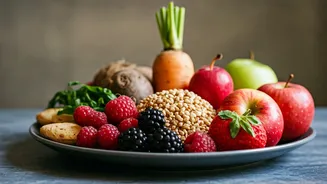
and Sweden. This eating plan is heavily centered on locally sourced, seasonal ingredients. It prominently features whole grains like rye and oats, along with root vegetables such as potatoes and carrots. Berries, which are packed with antioxidants, are another staple. The diet encourages the consumption of fish, particularly fatty varieties like salmon, and lean meats. Additionally, the Nordic diet typically includes rapeseed oil (also known as canola oil) as its primary cooking oil. The overarching principle is to embrace unprocessed, whole foods while reducing intake of added sugars, processed foods, and unhealthy fats.
Health Benefits Explored
Research has indicated that the Nordic diet may offer several health advantages. Studies have shown potential improvements in metabolic health, particularly in managing type 2 diabetes and reducing fatty liver. The diet's emphasis on whole, unprocessed foods and high fiber content can help regulate blood sugar levels, making it beneficial for those with diabetes. The abundance of healthy fats, such as those found in fish and rapeseed oil, may contribute to the reduction of inflammation and improve liver health. Additionally, the diet's focus on lean protein and fiber can contribute to weight management and overall cardiovascular health. It's also worth noting that the high intake of berries provides a rich source of antioxidants, which combat free radicals and protect cells from damage.
Considerations for Indians
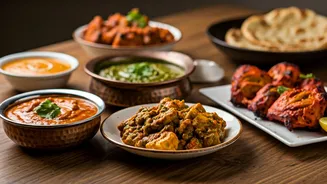
Adapting the Nordic diet for the Indian population requires careful consideration of several factors. One significant aspect is the difference in food availability and dietary habits. The Nordic diet heavily relies on ingredients native to the Nordic region, which may not be readily accessible or traditionally consumed in India. Many Indian meals already incorporate a variety of whole grains, pulses, and vegetables, but the specific balance and preparation methods differ. Adapting the Nordic diet may involve substituting some ingredients with local, equivalent alternatives. For example, replacing rye with millets, a local grain in India, or using mustard oil in place of rapeseed oil might be viable options. Furthermore, the cultural significance of food in India and the importance of family meals must be taken into account when integrating any new dietary plan.
Potential Challenges & Risks
While the Nordic diet holds promise, individuals should be aware of potential challenges and risks. One concern is the need for careful meal planning to ensure a balanced intake of nutrients, especially when adapting the diet with local ingredients. It is essential to ensure that the substitutions maintain the nutritional integrity of the original Nordic diet, focusing on whole foods and avoiding excessive processed food intake. Another challenge could be the availability and cost of specific ingredients. Some foods featured in the Nordic diet, such as certain types of fish or berries, may be more expensive or difficult to find in some parts of India. Furthermore, individuals with specific dietary needs or health conditions should consult a healthcare professional or a registered dietitian before starting the Nordic diet. This precaution ensures the diet is safe and appropriate for their individual health requirements, potentially avoiding any adverse health effects.
Safety and Precautions
Before considering the Nordic diet, several safety precautions should be adhered to. A consultation with a healthcare professional or a registered dietitian is always recommended. They can assess individual needs, identify potential contraindications, and provide tailored guidance. It's crucial to ensure a balanced intake of all essential nutrients to avoid deficiencies. Meal planning should emphasize the variety of food groups to ensure adequate protein, carbohydrates, fats, vitamins, and minerals. Gradually introducing new foods into the diet is generally recommended to allow the body to adjust. This approach can help minimize potential digestive issues or other adverse reactions. Furthermore, sourcing foods from reliable suppliers and preparing meals hygienically is vital for food safety. Also, any changes in the diet should be done in conjunction with regular physical activity and a holistic approach to wellness.
Expert Insights and Verdict
According to experts, the Nordic diet's core principles—focusing on whole, unprocessed foods, and limiting refined sugars and unhealthy fats—align with general recommendations for healthy eating. They highlight the diet's emphasis on fiber, healthy fats, and antioxidants as beneficial components. However, experts stress the importance of individualizing the diet to suit the specific needs and context of the Indian population. Adapting to local foods is crucial, as is considering the cultural significance of food. It's essential to ensure the diet is sustainable and enjoyable in the long term. Ultimately, experts recommend that the Nordic diet, when adapted properly and followed under professional guidance, has the potential to support health for Indians, specifically in the management of type 2 diabetes and fatty liver.