






Nutritional Powerhouses Compared
Proteins are vital building blocks for our bodies, essential for muscle repair, hormone production, and overall cellular function. When considering protein
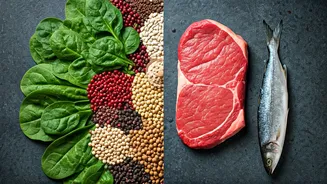
sources, a common debate arises: plant-based versus animal-based. Each category offers a unique spectrum of nutrients. Animal proteins, typically found in meat, poultry, fish, eggs, and dairy, are often lauded for their complete amino acid profiles. This means they contain all nine essential amino acids that our bodies cannot synthesize on their own and must obtain from diet. These proteins are also generally more bioavailable, meaning our bodies can absorb and utilize them more efficiently. However, they can also come with higher levels of saturated fat and cholesterol, which warrant consideration for individuals managing cardiovascular health. On the other hand, plant proteins, derived from sources like legumes, grains, nuts, seeds, and vegetables, present a diverse nutritional landscape. While some plant proteins may be lower in certain essential amino acids, combining various plant sources throughout the day can easily create a complete amino acid profile. For instance, pairing beans (rich in lysine) with rice (rich in methionine) achieves this balance. Plant-based proteins are typically lower in saturated fat and cholesterol and are often packed with beneficial fiber, vitamins, minerals, and phytonutrients, contributing to a lower risk of chronic diseases. The choice between them isn't always about one being definitively 'better' but rather understanding what each offers and how it aligns with individual health goals and dietary patterns.
Health Advantages Explored
The health implications of choosing between plant and animal proteins are multifaceted. Research has frequently linked diets rich in plant-based proteins to a reduced risk of several chronic conditions. The high fiber content in plant sources aids digestion, promotes gut health, and can contribute to better blood sugar control, which is particularly relevant for individuals managing or looking to prevent conditions like type 2 diabetes. Furthermore, the abundance of antioxidants and phytonutrients in plant foods helps combat oxidative stress and inflammation, key factors in the development of various diseases. Studies have also suggested that diets emphasizing plant proteins may be associated with lower blood pressure and improved cholesterol levels, contributing to better cardiovascular health. Animal proteins, while providing readily absorbable essential amino acids, can sometimes be associated with increased health risks if consumed in excess, particularly red and processed meats. These have been linked to a higher risk of heart disease and certain types of cancer. However, lean animal protein sources, like fish and poultry, can be excellent sources of lean protein and important nutrients like vitamin B12 and iron, which can be more challenging to obtain in sufficient quantities from plant-based diets alone, especially for individuals with specific dietary restrictions or deficiencies. Therefore, a balanced approach that considers the quality and quantity of protein sources, alongside overall dietary patterns, is crucial for maximizing health benefits.
Environmental Footprints Compared
Beyond personal health, the environmental impact of our protein choices is a significant consideration in today's world. Animal agriculture is a major contributor to greenhouse gas emissions, land degradation, and water usage. Raising livestock, particularly beef cattle, requires vast amounts of land for grazing and feed production, leading to deforestation and habitat loss. The methane produced by ruminant animals is a potent greenhouse gas, and the waste generated from animal farms can pollute water sources. Producing animal protein is generally more resource-intensive than producing plant protein. For example, it takes significantly more water and land to produce a kilogram of beef compared to a kilogram of lentils or beans. Plant-based protein sources, on the other hand, typically have a much lower environmental footprint. They require less land, less water, and generate fewer greenhouse gas emissions. Crops like legumes not only provide protein but also enrich the soil with nitrogen, reducing the need for synthetic fertilizers. Shifting towards a more plant-centric diet can therefore play a crucial role in mitigating climate change and conserving natural resources. While completely eliminating animal products isn't necessary for everyone to make a difference, incorporating a greater proportion of plant-based proteins into one's diet can contribute positively to environmental sustainability.