



The AI Dilemma
The swift progression of artificial intelligence is causing considerable unease across various professional sectors. With AI tools becoming increasingly
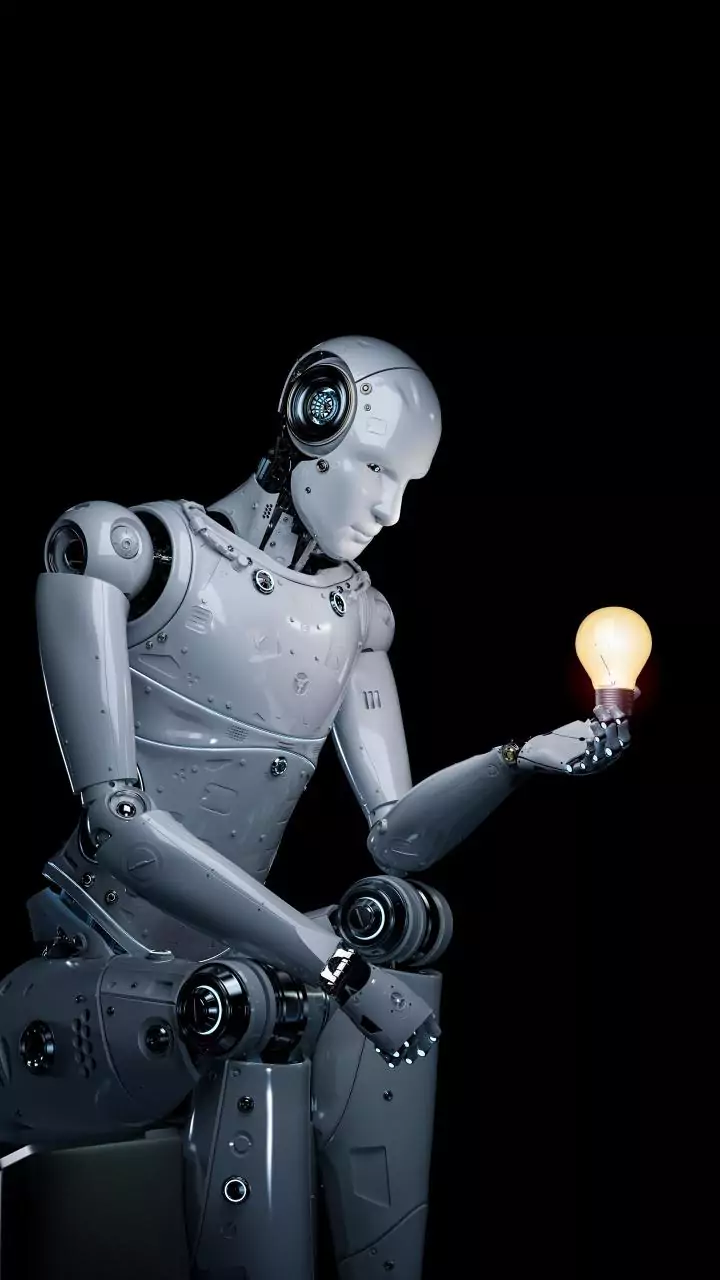
sophisticated, concerns are mounting regarding their potential to displace jobs and impact human cognitive abilities. Hieu Pham, an engineer at OpenAI, recently brought this anxiety to the forefront, articulating a profound sense of 'existential threat' posed by AI. Pham, who boasts impressive academic credentials including a computer science degree from Stanford and a PhD in machine learning from Carnegie Mellon, and has since joined Elon Musk's xAI, articulated his viewpoint in a widely discussed X post. He stated, 'Today, I finally feel the existential threat that AI is posing. When AI becomes overly good and disrupts everything, what will be left for humans to do? And it’s when, not if.' This sentiment underscores a growing debate about the long-term consequences of advanced AI and its capacity to reshape the very fabric of human endeavor, prompting reflection on what our roles might become in a hyper-automated world.
Societal Echoes and Adaptations
Pham's stark declaration immediately ignited a significant online discourse, with many users weighing in on the potential downsides of AI and offering their perspectives on human adaptation. A common sentiment echoed was that previous technological revolutions, such as the advent of the printing press and the internet, also initially felt 'existential,' yet humanity ultimately adapted. This view suggests that AI, while disruptive, might primarily replace specific tasks rather than eradicating human purpose altogether. Another user proposed a more radical shift in societal values, suggesting that our worth might transition from economic productivity to something more intrinsically human and self-defined. This user envisioned a future where AI handles the drudgery, freeing individuals to pursue new avenues of meaning and creativity. Furthermore, the idea of rediscovering dormant human traits like curiosity and the pursuit of hobbies was also raised, implying that AI's rise could necessitate a re-engagement with aspects of human experience that have been sidelined by modern life's demands and pressures. These varied reactions highlight the complex interplay between technological advancement and the enduring human need for purpose and fulfillment.
Broader Safety Concerns
The conversation around AI's profound implications extends beyond individual purpose and economic shifts. Echoing the sentiment of deep concern, Mrinank Sharma, who previously led AI safety efforts at Anthropic, recently resigned from his position, citing the world's precarious state. Sharma's resignation highlighted a broader existential reckoning, not solely attributable to AI, but also encompassing interconnected global crises like potential bioweapons threats. He expressed a feeling of approaching a critical threshold where humanity's collective wisdom must grow in parallel with its technological capabilities. Failure to achieve this balance, he warned, could lead to severe consequences. This perspective broadens the scope of the AI debate, framing it within a larger context of planetary challenges and the urgent need for human foresight and ethical development to navigate an increasingly complex and technologically empowered future. The intertwining of AI advancement with other global risks emphasizes the multifaceted nature of the existential challenges humanity faces.