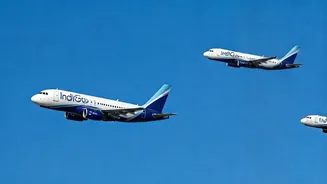

IndiGo's Extensive Network
IndiGo has established itself as India's largest airline, a testament to its operational prowess and strategic planning. The airline boasts an impressive
network, operating approximately 2,200 daily flights that connect over 130 destinations. This expansive reach facilitates seamless travel across the country, making it a preferred choice for both business and leisure travelers. IndiGo's widespread presence has been instrumental in boosting domestic air travel, contributing significantly to the growth of India's aviation sector. The airline’s extensive flight schedule and diverse routes ensure high accessibility and convenience for passengers, cementing its leadership in the Indian aviation market. The sheer volume of flights and destinations demonstrates IndiGo's commitment to providing connectivity across the nation, making air travel more accessible and efficient for a broad spectrum of travelers.
The Foundations of Growth
Several factors have propelled IndiGo's meteoric rise to the top of India's aviation market. A pivotal aspect has been its focus on offering affordable fares, making air travel accessible to a broader demographic. This strategy has been highly effective in attracting budget-conscious travelers, thereby increasing passenger numbers. Furthermore, IndiGo’s operational efficiency, characterized by punctuality and streamlined processes, has significantly enhanced its reputation. The airline has also invested heavily in a modern fleet and adopted effective cost-management strategies. These initiatives have helped maintain a competitive edge and ensure profitability, even in the face of fluctuating fuel prices and intense competition. IndiGo's strategic investments in operational excellence have allowed the airline to maintain high standards of service, contributing to its ongoing growth and dominance within the Indian aviation sector.
Impact on the Industry
IndiGo's success has had a profound effect on the broader Indian aviation landscape. The airline’s aggressive pricing strategies have compelled competitors to become more efficient, driving down prices across the industry and increasing accessibility to air travel for many. By demonstrating the feasibility of a low-cost, high-volume model, IndiGo has spurred the industry to evolve and embrace more efficient operational practices. It has also boosted ancillary industries like airport services and tourism, creating a multiplier effect throughout the economy. IndiGo's rise has thus stimulated competition and innovation, ultimately benefiting the end consumer with more choices, better service, and enhanced affordability. This impact extends beyond the immediate aviation sector, positively influencing various sectors connected to travel and tourism.
Challenges and Fragility
Despite its accomplishments, IndiGo, like any major airline, confronts various challenges. The recent operational collapse, with 1,630 flights scheduled on a Sunday, indicates the fragility of the aviation sector, highlighting the vulnerability to disruptions. Competition from other airlines, volatile fuel prices, and infrastructural limitations also present constant challenges. The sector is susceptible to external shocks such as economic downturns and geopolitical uncertainties, which can significantly affect profitability and operational stability. Managing these challenges requires proactive measures. IndiGo must continually innovate and adapt to maintain its leading position. This involves ongoing investment in technology, enhancing operational efficiency, and addressing passenger concerns to solidify its standing as a major player in India's dynamic aviation environment.