


Rethink Leaf Removal
Many gardeners are accustomed to meticulously raking and disposing of fallen leaves come autumn. However, experts suggest pausing this practice until after
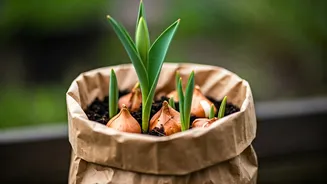
pollinators have concluded their life cycles, as early removal can inadvertently harm them. Furthermore, these leaves are a valuable resource for enriching soil health. Instead of discarding them, consider piling them in garden beds, adding them to a compost bin, or storing them in paper bags for future use. This approach not only benefits the environment but also significantly boosts the vitality and nutrient content of your garden soil, reducing the need for external amendments and promoting a more self-sustaining ecosystem.
Simplify Container Gardens
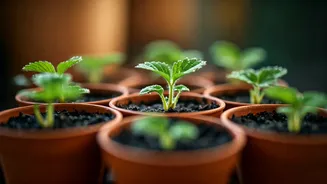
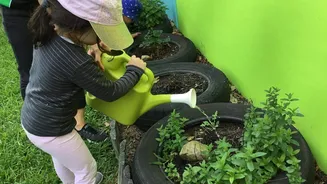
The allure of elaborate container gardens featuring a diverse mix of non-native annuals and tropical plants, especially in unsuitable climates, is fading. These meticulously curated displays often demand substantial resources, particularly frequent watering, fertilizing, and deadheading. Professionals now advocate for a shift towards prioritizing plants that naturally flourish within your local environment with minimal human intervention. Embracing native species that are adapted to regional conditions reduces the labor and resource input required, leading to more resilient and easier-to-manage garden spaces that are less prone to stress and disease.
Strategic Fertilizer Application
A common but misguided gardening technique involves adding fertilizer directly into the planting hole for trees and shrubs. Experts advise against this, explaining that placing concentrated nutrients too close to developing roots can inhibit their natural outward growth in search of sustenance. This restriction can stunt a plant's development, leading to root-bound conditions and making it more susceptible to wilting and poor overall growth. A more beneficial method is to apply fertilizer or compost to the soil's surface, allowing plants to access nutrients gradually and encouraging robust root system expansion, which is crucial for long-term health and stability.
Embrace "Weeds" Wisely
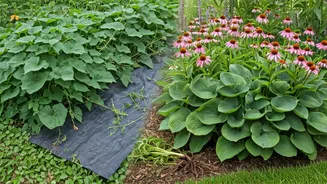
The traditional view of weeds as the garden's primary adversary is being challenged by proponents of regenerative gardening. While aggressive or invasive species may still require targeted management, many common weeds are now recognized as beneficial contributors to soil health. They can help improve soil structure, retain moisture, and even provide habitat for beneficial insects. Instead of resorting to widespread chemical treatments or exhaustive hand-pulling of all non-cultivated plants, gardeners are encouraged to adopt a more nuanced perspective, allowing certain 'weeds' to coexist and even thrive, thereby enhancing the garden's ecological balance.
Reconsider Irrigation Systems
The decision to install an irrigation system often stems from a landscape populated with plants that have high water demands, which may not be suitable for the local climate. Growing awareness of water conservation and scarcity is prompting a move away from such resource-intensive setups. Instead of investing in extensive irrigation, gardeners are increasingly opting for drought-resistant native plants that are naturally adapted to regional rainfall patterns. Complementing this with rainwater harvesting techniques further reduces the reliance on artificial watering, creating more sustainable and environmentally conscious gardens.
Minimize Chemical Reliance
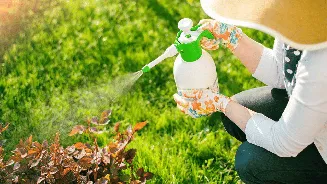
The convenience of chemical fertilizers and herbicides has led to an over-reliance that experts now caution against. The long-term negative impacts of synthetic chemicals on soil health, the environment, and even human consumption are significant and can persist for years. This approach, often perceived as a quick fix, is considered outdated and detrimental. The recommended alternative is to significantly reduce or eliminate the use of these chemicals, opting instead for manual methods like weeding and embracing practices such as composting, which foster natural soil fertility and a healthier garden ecosystem.