





The Fit Man's Shock
A recent case shared by a Hyderabad-based cardiologist highlights a startling reality: a 37-year-old man, who meticulously followed a healthy lifestyle
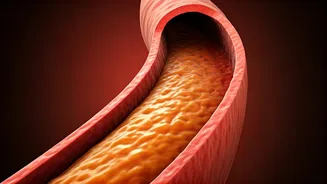
including a daily 5 km run and a diet free from junk food, found himself needing two stents due to significant blockages in his heart arteries. This individual abstained from smoking and alcohol, maintained regular sleep patterns, and otherwise lived a 'correct' life. His condition, presenting with chest pressure and left arm heaviness, led to an angiography that revealed the necessity for intervention. This scenario challenges the common assumption that strict adherence to exercise and diet alone guarantees freedom from heart disease, prompting a deeper look into other contributing factors that might be at play.
Unseen Genetic Culprits
Dr. Syed Akram Ali emphasizes that genetic predisposition and family history are often the most significant yet unacknowledged risks for heart disease. He notes that if a father or uncle experienced heart issues at an early age, an individual's risk can multiply two to three times, irrespective of their current fitness level, weight, or activity. Furthermore, a critical factor seldom checked in routine screenings is lipoprotein(a), or Lp(a). This 'dangerous cholesterol' is purely genetic and can lead to arterial clogging even when standard LDL cholesterol levels appear normal. A conventional lipid profile, therefore, is insufficient for a complete cardiovascular assessment, as high Lp(a) levels present a unique and often hidden threat.
Stress and Inflammation's Toll
The pervasive nature of chronic stress, particularly within demanding corporate environments, poses a substantial threat to arterial health. Dr. Ali clarifies that while 5 km of running is beneficial, it does not equate to effective stress management. Elevated stress levels trigger the release of adrenaline, which in turn raises blood pressure and promotes inflammation, leading to the formation of micro-plaques within the arteries. Concurrently, hidden inflammation, often measured by C-reactive protein (CRP), can significantly accelerate artery damage, even in individuals who appear physically fit. This subclinical inflammation is not typically identified during standard medical check-ups, making it another insidious contributor to cardiovascular disease.
Sleep Deprivation's Impact
The quality and duration of sleep are critical pillars of cardiovascular well-being, and poor sleep habits can have detrimental effects. Dr. Ali points out that sleeping for only six hours and engaging with screens until midnight can create significant metabolic strain. This disruption leads to elevated cortisol levels, which can thicken the blood and increase the instability of existing plaques in the arteries. This metabolic imbalance, compounded by the constant digital stimulation before sleep, contributes to a state of heightened risk for heart-related issues, underscoring the importance of prioritizing restorative sleep for maintaining healthy arteries.
Comprehensive Testing Essentials
To gain a more complete understanding of cardiovascular risk beyond basic fitness metrics, Dr. Ali recommends a suite of advanced tests for Indians over 25. These include testing for Lipoprotein(a), high-sensitivity C-reactive protein (HS-CRP) to gauge inflammation, ApoB, HbA1c and fasting insulin to assess insulin resistance and metabolic health, Vitamin D levels, Homocysteine, and a Treadmill Test (TMT) if symptoms are present. For individuals above 35 years, a coronary calcium score is also advised to detect early arterial calcification. These comprehensive screenings provide a clearer picture of underlying risks that a standard physical check-up might miss.