




The Purity Predicament
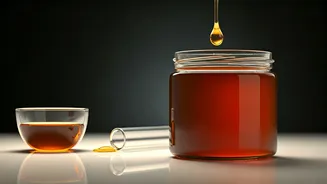
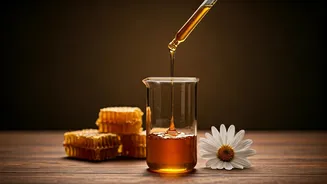
Honey has been cherished for millennia, not just for its delightful sweetness but also for its remarkable health properties. However, a pervasive issue
of adulteration has emerged, where cheaper substances like sugar syrups and molasses are mixed with pure honey. This deception not only misleads consumers but also significantly diminishes the natural beneficial compounds found in genuine honey, such as antioxidants and enzymes. Given that adulterated honey is often sold at prices comparable to authentic honey, equipping oneself with practical methods to verify its genuineness has become an essential step for every household.
Simple Water Test
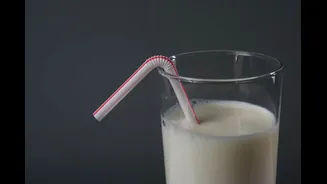
One of the most straightforward methods to assess honey's authenticity involves a basic water test. Carefully introduce a teaspoon of honey into a glass of water, refraining from stirring. Pure, unadulterated honey possesses a dense consistency and will typically settle at the bottom of the glass as a cohesive lump. In contrast, if the honey readily disperses and dissolves into the water, it strongly suggests the presence of added sugar syrups or other adulterants. While this test is remarkably easy to perform, seasoned experts often advise its use in conjunction with other verification methods to achieve a more reliable outcome.
Observing Heat Reactions
The way honey behaves when subjected to gentle heat can also offer significant clues about its purity. When pure honey is carefully heated for approximately 30 seconds, it usually undergoes caramelization, emitting a subtle, pleasant aroma reminiscent of caramel. If, however, the honey begins to froth vigorously, bubble excessively, or scorch too quickly, this could indicate that it contains elevated levels of moisture or has been contaminated with foreign substances. Such reactions are commonly triggered by the inclusion of ingredients like sugar syrup or molasses in the honey mixture.
Understanding Crystallization
A natural process that pure honey undergoes over time is crystallization, which is, in fact, a positive indicator of its authenticity. This transformation occurs due to an enzyme known as glucose oxidase, which gradually extracts moisture from the honey, leading to a thicker, solidifying texture. If a jar of honey remains consistently liquid and syrupy for extended periods without any alteration in its consistency, it might suggest that it has been subjected to significant processing or has been mixed with other ingredients to prevent natural crystallization.
The Vinegar Foam Test
Another quick and accessible method to gauge honey's purity involves the use of vinegar. Authentic honey naturally possesses an acidic pH, meaning that introducing a few drops of vinegar should not elicit any discernible reaction. Conversely, if the honey starts to foam or fizz upon the addition of vinegar, it serves as a potential warning sign that additives may have been introduced, thereby altering its natural chemical composition. For enhanced accuracy, combining two or three of these simple tests is recommended by professionals to provide consumers with a more confident assessment of their honey's genuineness.