





Understanding Nursemaid's Elbow
A viral Instagram reel by Dr. Kunal Sood has brought attention to a frequent pediatric injury known as nursemaid's elbow, a condition many parents remain
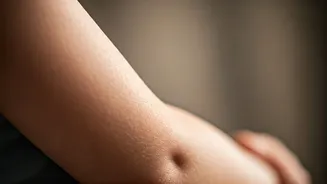
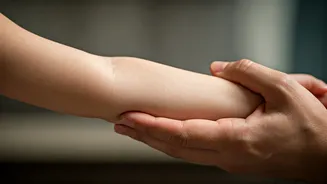
unaware of until their child experiences it. This injury occurs when a child's arm or hand is subjected to a sudden, forceful pull. Such an action can cause a slight dislocation in the radial head, a key component of the elbow joint. Common scenarios leading to this include parents or caregivers pulling a child up by their hands, swinging them around by their arms during play, or tugging their arm to quicken their pace while walking. Despite its prevalence among young children, the lack of awareness among parents means they often don't recognize the specific cause of their child's discomfort, attributing it to other reasons.
Subtle Symptoms to Spot
Identifying nursemaid's elbow requires careful observation, as its symptoms are not always obvious. Children suffering from this injury typically exhibit a distinct behavior: they will refuse to use the affected arm and will hold it in a slightly bent position, cradling it close to their body. A key characteristic is the avoidance of any rotation of the arm. Notably, there is usually no visible swelling or external sign of trauma on the arm, which can lead parents to misinterpret the situation. They might assume the child is merely being fussy, scared, or overly sensitive. However, if a child suddenly becomes reluctant to move an arm after an instance of being pulled, it strongly suggests the possibility of nursemaid's elbow, prompting a need for closer examination.
Simple Fix, Big Relief
Contrary to what might be assumed, nursemaid's elbow is not a severe or long-lasting ailment; it's actually quite straightforward to resolve. Medical professionals can easily treat this condition by performing a specific maneuver, known as a reduction. This technique involves gently repositioning the dislocated radial head back into its correct place within the elbow joint. The entire process is remarkably quick, often taking mere seconds to complete. Once the joint is realigned, children typically regain full use of their arm and resume normal movement almost immediately, much to the surprise and relief of many parents who had feared a prolonged recovery period.
Prevention is Key
The primary aim behind raising awareness about nursemaid's elbow is to empower parents and caregivers with knowledge to prevent its occurrence. The video highlights that many accidental pulls happen during everyday activities, such as helping a child walk faster or guiding them across a busy street. Instead of grasping a child's hand or wrist, which can inadvertently lead to this injury, the recommended approach is to support them from underneath their arms. This alternative method of holding offers a much safer way to guide and assist young children, significantly reducing the risk of dislocating their radial head and preventing the discomfort and parental concern associated with nursemaid's elbow.