




Sunny Spot Selection
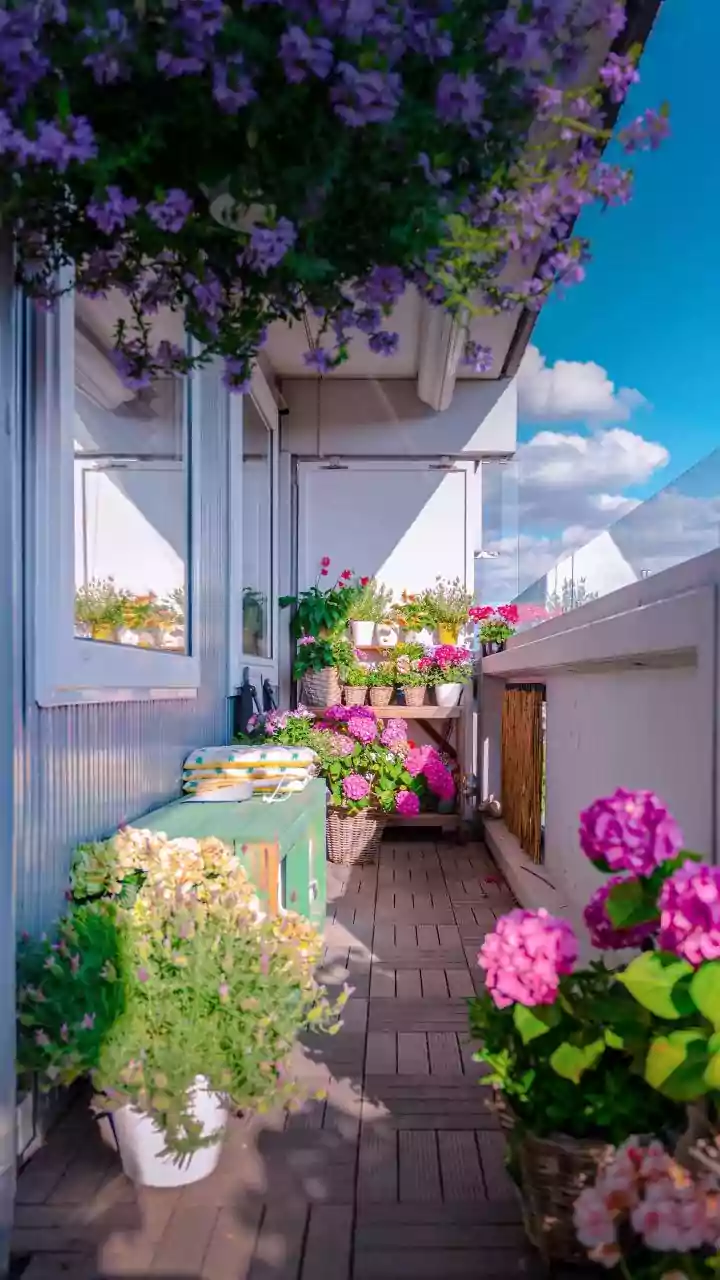
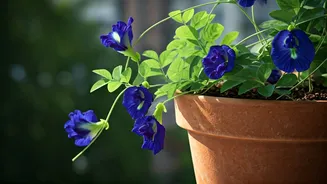
For your Aparajita plant to truly flourish and grace your balcony with its stunning blue blossoms, it requires ample direct sunlight. Aim for a location
that receives at least six to eight hours of sun daily. This abundant light is crucial for robust flowering. Consider positioning the pot where it can soak up the bright morning or late afternoon sun, avoiding excessively shady corners. A well-lit balcony is the primary ingredient for a thriving butterfly pea vine. Ensure the chosen spot offers protection from harsh winds, which can damage the delicate leaves and stems of this climbing beauty. The plant's vigour and the intensity of its blooms are directly correlated with the amount of sunshine it receives throughout the day. Adequate light also helps in preventing common issues like legginess and poor flower production, ensuring your Aparajita remains a healthy and attractive addition to your urban oasis.
Potting Essentials
Choosing the right container is fundamental for Aparajita's success. As a twining vine, it needs space for its roots to grow and a pot that allows excess water to escape freely. A container that is approximately 8 to 12 inches deep and 12 to 14 inches wide offers a good starting point for most balcony setups. Crucially, ensure the pot is equipped with adequate drainage holes. Stagnant water is detrimental to Aparajita's health, leading to root rot and significantly hindering its ability to produce flowers. Selecting a material like terracotta or ceramic can also be beneficial, as these materials tend to be more breathable than plastic, aiding in soil aeration and preventing waterlogging. The size of the pot should be proportionate to the plant's expected growth, allowing it to establish a strong root system without becoming root-bound. This thoughtful selection of a pot with excellent drainage is a cornerstone of successful Aparajita cultivation.
Soil and Nutrients
The foundation for healthy Aparajita growth lies in its soil. This plant thrives in a potting mix that is both well-draining and moderately fertile, preventing the soil from becoming waterlogged while providing essential nutrients. A good quality potting soil, perhaps amended with compost, is ideal. Compost enriches the soil, improving its structure and water retention capabilities, while also feeding the plant. The goal is to achieve a soil consistency that remains slightly moist but never saturated. Overly compacted or heavy soil can suffocate the roots and impede growth. Regularly replenishing nutrients by adding a layer of compost or a balanced liquid fertilizer can further boost flowering and overall plant health. Ensuring good soil aeration, perhaps by incorporating perlite or vermiculite into the potting mix, will also prevent compaction and promote a healthy root environment, essential for this climbing vine's vitality.
Starting with Seeds
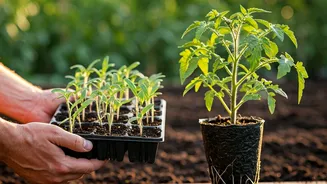
Initiating your Aparajita garden from seeds is a rewarding process, though a little preparation can significantly enhance germination rates. The hard seed coat of the butterfly pea plant can sometimes delay sprouting. To overcome this, soak the seeds in lukewarm water for several hours, or ideally, overnight. This process softens the seed coat, allowing moisture to penetrate and kickstart the germination. For an even quicker start, you can gently nick the seed coat with a fine-grit sandpaper or a small file before soaking; be careful not to damage the embryo inside. Once soaked, sow the seeds about an inch deep in your prepared potting mix. Spacing them adequately will prevent overcrowding as they grow. Warm conditions are crucial for successful sprouting, so starting seeds in warmer months or in a consistently warm indoor environment will yield the best results. Patience is key, as germinated seeds will soon push through the soil, ready to embark on their journey to becoming beautiful flowering vines.
Watering Wisdom
Consistent yet careful watering is vital for Aparajita, especially during its initial growth phases. While the plant appreciates moisture, it detests soggy conditions, which can lead to fungal diseases and root rot. The best approach is to water when the top inch of the soil begins to feel dry to the touch. Aim to water the soil directly rather than drenching the foliage, as wet leaves can be more susceptible to fungal infections. Reduce watering frequency in cooler weather or if the plant is in a location that retains moisture longer. Overwatering is a common pitfall; it's better to err on the side of slightly underwatering than to overwater. Monitoring the soil moisture regularly and adjusting your watering schedule based on environmental conditions and the plant's needs will ensure optimal hydration without causing harm. This balanced watering practice is crucial for its continued bloom production.
Providing Support
As a natural climber, Aparajita requires a structure to ascend, transforming it from a sprawling plant into an elegant vine. Installing a trellis, a small bamboo frame, a net, or even utilizing your balcony railing or grill provides the necessary support. This climbing aid allows the vine to grow upwards, showcasing its beautiful blue flowers to their best advantage. Without support, the plant may spread across the ground, appearing less ornamental and potentially becoming weaker. The structure should be sturdy enough to bear the weight of the mature plant and its blooms. Regularly guiding the young tendrils onto the support as they grow will encourage them to twine naturally, creating a neat and attractive display. A well-supported Aparajita vine not only looks more appealing but also benefits from better air circulation, which helps in preventing diseases and promoting healthier growth.
Pruning for Blooms
Regular pruning is an essential practice for maintaining a healthy and prolific Aparajita plant, encouraging continuous flowering. By trimming back spent blooms, a process known as deadheading, you signal the plant to direct its energy into producing new flowers rather than focusing on seed development. This simple act significantly enhances the blooming period. Furthermore, pruning helps to manage the plant's shape, preventing it from becoming overly leggy or sparse. Trimming the growing tips of longer stems can stimulate the plant to produce more side shoots, resulting in a bushier and more aesthetically pleasing appearance. This practice also improves air circulation within the plant. Minor pest issues, such as aphids, can often be managed by a strong jet of water; removing heavily infested leaves is another effective step. Consistent, light pruning is key to a vibrant and continuously flowering Aparajita on your balcony.