




The Mango Selection
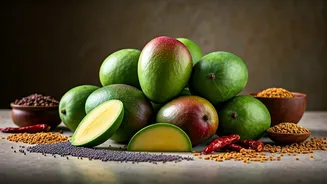
The foundation of an outstanding mango pickle lies in selecting the right kind of raw mango. Varieties such as Totapuri, Ramkela, and Rajapuri are renowned
for their suitability for pickling. These particular mangoes possess a firm flesh and a pulp that is notably free from excessive fibres, characteristics that lend themselves beautifully to the pickling process. Their inherent tartness is crucial, as it allows them to readily absorb the complex array of spices used in traditional recipes, resulting in a flavourful condiment. It is vital to steer clear of mangoes that feel overly soft to the touch or display any yellowish discolouration, as these signs often indicate ripeness that can lead to the premature spoilage of your pickle. When examining potential candidates, a gentle squeeze can confirm their firmness. Additionally, always inspect the area around the stem for any unusual odours or signs of leakage, which could suggest imperfections. The skin of a good pickling mango should be smooth and maintain a deep green hue, free from any cuts, cracks, or blemishes that might invite mould growth.
Essential Preparation Steps
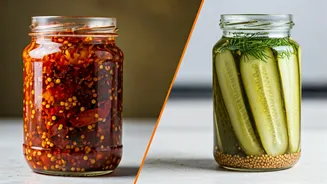
Once you've chosen your mangoes, meticulous preparation is key to ensuring your pickle lasts and retains its delightful flavour. Begin by washing the mangoes thoroughly, then pat them completely dry with a clean cloth. Following this, allow them to air dry fully, either in direct sunlight or under a fan, before proceeding to cut them. Even a minuscule amount of residual moisture can significantly shorten the pickle's shelf life and compromise its quality. For the pickling medium, traditional Indian pickles almost universally call for mustard oil. It is imperative to heat this oil until it just begins to smoke, a process that helps to neutralize its pungent aroma. Allow the oil to cool entirely before incorporating it into your pickle mixture. A crucial step involves mixing the cut mango pieces with salt and turmeric powder and then exposing them to the sun for one to two days. This solar treatment effectively draws out excess moisture, a critical factor in preservation. Finally, storing your pickle in a pristine, dry glass or ceramic jar, ideally one that has been sun-dried beforehand, is essential. Ensure that the pickle remains entirely submerged in the oil; this acts as a natural barrier, protecting it from spoilage and extending its longevity.