






Foundation of the Lift
Embarking on the deadlift journey requires a solid understanding of its fundamental mechanics to ensure both effectiveness and safety. This exercise, renowned
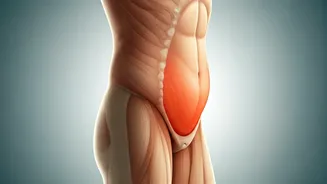
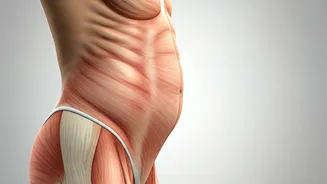
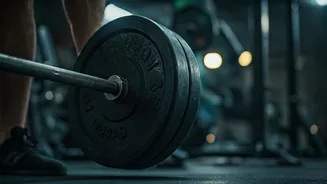
for its full-body engagement, demands meticulous attention to detail from the very start. The initial stance is crucial: position your feet approximately hip-width apart, ensuring the barbell is positioned very close to your shins. This proximity sets the stage for the subsequent hinge motion. The next critical element involves hinging at the hips, maintaining a neutral spine, and then slightly bending your knees to achieve a secure grip on the barbell. This grip should be just outside the width of your legs. Before initiating the lift, it's vital to engage your core muscles, drawing them in to stabilize your torso, and keep your chest lifted and open. This preparatory phase primes your body for the powerful extension that follows.
Executing the Pull
With your setup complete and your body primed, the next phase involves the actual ascent of the barbell. The movement is initiated by driving forcefully through your heels, a fundamental cue that engages the powerful muscles of your legs and glutes. Simultaneously, extend your hips and knees in a coordinated motion. The goal is to bring your body to an upright standing position, ensuring that the barbell travels along your thighs. Throughout this upward phase, maintain that engaged core and neutral spine. The bar should remain in close contact with your body, almost brushing against your thighs as you stand tall. This controlled ascent maximizes muscle activation and minimizes stress on your lower back and joints, allowing you to harness the full power of the deadlift.
Controlled Descent
Once you've reached the top of the deadlift, the descent is just as important as the ascent and requires a deliberate reversal of the lifting motion. Begin by hinging at your hips once more, initiating the movement backward. This hip hinge should be the primary action. As you hinge, maintain the neutral spine and engaged core. After the initial hip hinge, and only once the barbell has passed your knees, you can then begin to bend your knees. This sequential movement ensures that the stress is distributed correctly and prevents your lower back from taking the brunt of the load. Think of it as reversing the initial setup, with the hips leading the way down before the knees follow.
Building Confidence Safely
Fear of injury, particularly to the back, is a common concern for those new to deadlifting. However, most injuries stem from improper technique rather than the exercise itself. To build unwavering confidence, focus on strengthening your core and posterior chain through complementary exercises. Incorporating movements like glute bridges, planks, and hip hinges into your routine will train your body to maintain spinal stability during the demanding deadlift. These supporting exercises develop the muscular endurance and control necessary to keep your spine rigid and safe under load. Furthermore, to truly master the lift without risk, it is advisable to begin with a very light weight or even just a practice bar or stick. Emphasize controlled, deliberate movements over sheer speed. Wearing flat-soled shoes can provide a stable base, and utilizing a mirror or seeking guidance from a qualified trainer can significantly aid in ensuring correct body alignment throughout the entire range of motion.
Avoiding Common Pitfalls
Several common errors can undermine the effectiveness and safety of your deadlift. A primary mistake is allowing your lower back to round during the lift, which places excessive and dangerous pressure on your spinal discs. This can be mitigated by consistently practicing hip hinge drills and consciously keeping your chest lifted and proud throughout the entire movement. Another frequent error is letting the barbell drift away from your body. Keeping the bar exceptionally close to your shins on the way down and thighs on the way up is paramount; this proximity reduces strain and makes the entire lifting motion far more efficient. Many beginners also mistakenly try to pull the bar up using only their arms. Instead, the focus should be on driving through your legs and hips. Visualizing the deadlift as a powerful push through the floor, rather than a pull with your arms, helps redirect the effort to the correct muscle groups. Finally, succumbing to the temptation of lifting heavy weights too soon invariably compromises your form. Patience, a commitment to gradual progression, and valuable feedback from a coach or trainer are indispensable elements for safely mastering this powerful exercise.