





Boost Calcium Intake
Calcium is essential for strong teeth and gums, and therefore, an increased calcium intake can significantly aid in the remineralization process. Consume
calcium-rich foods like dairy products (milk, yogurt, and cheese) and leafy green vegetables. For those with dietary restrictions or specific needs, calcium supplements can be considered. These supplements help provide the necessary building blocks for your enamel, making your teeth more resilient and less prone to decay. It is also important to consider the absorption of calcium. The body absorbs calcium effectively with vitamin D. Thus, make sure you're getting enough vitamin D through sunlight exposure or supplements to optimize calcium's benefits for your teeth. Focus on getting enough calcium and vitamin D to fortify your teeth against damage and rebuild their strength.
Limit Sugar Consumption
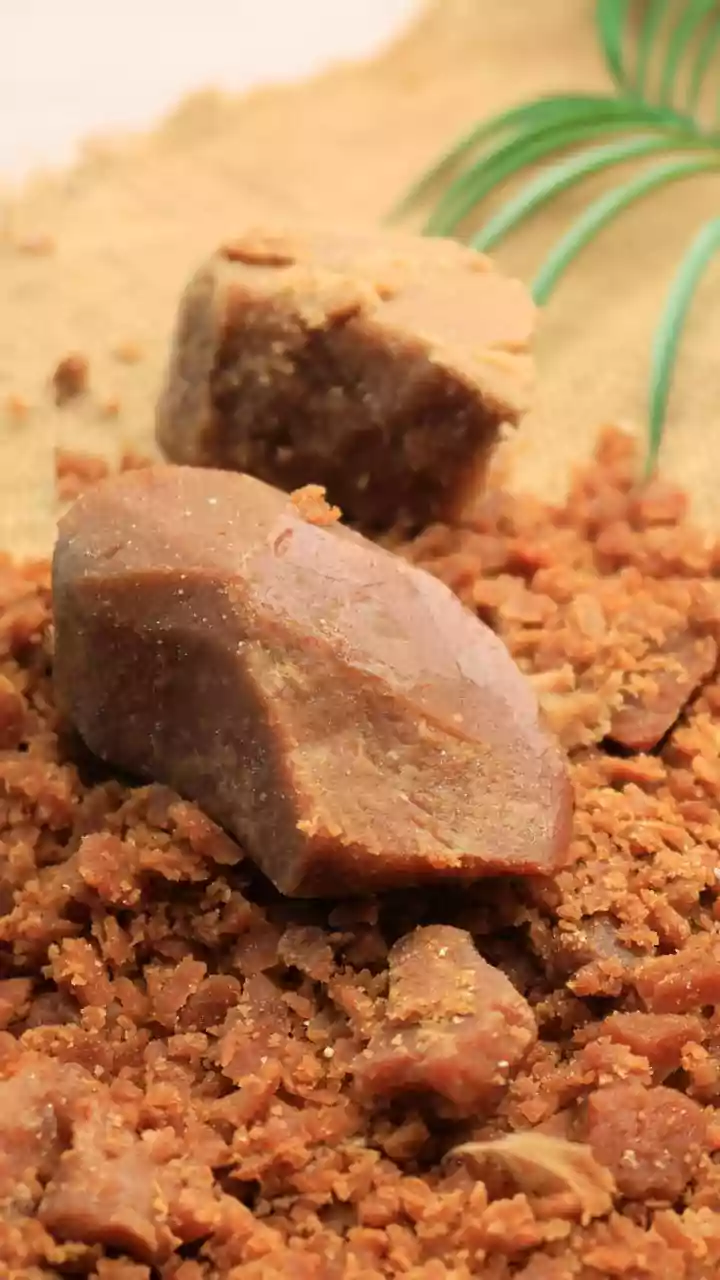
Sugar is a primary enemy of healthy teeth, as it feeds the harmful bacteria that produce acids. These acids erode the enamel, causing cavities and hindering remineralization. Minimizing sugar intake is a cornerstone of protecting and restoring your teeth. Be mindful of hidden sugars in processed foods, sugary drinks, and candies. Read labels carefully and be aware of how frequently you consume these treats. Choose alternatives like fruits, which contain natural sugars, but also provide beneficial nutrients. Reducing sugar intake creates a less favorable environment for bacteria, allowing your saliva and the minerals in your mouth to effectively remineralize your teeth. This shift can have a profound impact on your oral health.
Chew Xylitol Gum
Xylitol, a natural sugar alcohol, has unique properties that benefit dental health. Chewing xylitol gum after meals can reduce the risk of cavities and aid remineralization. Xylitol cannot be metabolized by the bacteria in your mouth that cause tooth decay, which prevents them from producing acid. Regular consumption of xylitol increases saliva production, which helps to wash away food particles and neutralizes the acids. Xylitol also helps to transport calcium and phosphate ions to your teeth, contributing to remineralization. Look for xylitol gums or mints, as they provide a convenient and effective way to promote your dental health.
Brush Properly and Gently
Proper brushing is crucial for maintaining a clean and healthy mouth. Brushing twice a day, for at least two minutes each time, is a basic requirement. Use a soft-bristled toothbrush to avoid damaging your enamel and gums. Apply gentle pressure and brush in circular motions, ensuring you reach all areas of your mouth. In addition to the mechanics of brushing, use fluoride toothpaste. Fluoride strengthens enamel and is a key factor in remineralization. Brushing helps to remove plaque, and food particles, and fluoride in toothpaste strengthens your teeth and helps them resist decay. This routine ensures your teeth have the best environment for self-repair and overall health.
Use Fluoride Products
Fluoride is a well-known mineral that strengthens tooth enamel and aids in the remineralization process. Besides fluoride toothpaste, consider using fluoride mouthwashes or varnishes. These can offer an extra layer of protection, especially for those at higher risk of cavities. Fluoride enhances enamel by replacing minerals lost through acid attacks. It helps in drawing calcium and phosphate back into the enamel structure, making the teeth stronger and more resistant to decay. Using these products as directed by a dentist is essential to getting the best benefits. Fluoride products are very effective in supporting the natural remineralization process and keeping your teeth healthy.
Hydrate and Rinse Often
Staying hydrated plays an essential part in dental health, and that's why you should drink plenty of water throughout the day. Water supports saliva production, and saliva is your mouth's natural defense against tooth decay. Rinse your mouth with water after meals and snacks to wash away food particles and neutralize acids. This simple practice helps in the process of remineralization. When your mouth is well-hydrated, the enamel can more effectively absorb minerals, thus leading to a healthier mouth. Drinking water is a straightforward way to protect your teeth and improve your oral health. Regular rinsing and ample hydration create an environment that supports remineralization and maintains oral wellness.
Regular Dental Checkups
Regular visits to the dentist are essential for your oral health. These checkups allow dentists to assess your teeth, clean them, and provide you with personalized advice to protect your oral health. Dentists can identify early signs of demineralization or tooth decay. They can offer fluoride treatments to aid in the remineralization process. Professional cleaning removes plaque and tartar, which can interfere with the remineralization. A dentist can monitor your overall dental health and provide appropriate guidance and care. Your dentist is a partner in your oral health journey. Follow their advice and make regular appointments to maintain a strong and healthy smile.