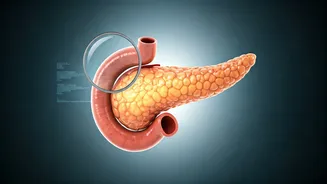








Diet's Crucial Role
Type 2 diabetes is often linked to how the body uses insulin, a condition known as insulin resistance. Thankfully, what you eat plays a monumental role
in managing this. For many, especially those newly diagnosed and carrying extra weight, adjusting their diet can dramatically improve blood sugar readings. In some instances, these dietary shifts are so effective they can even postpone or lessen the need for diabetes medications. It's important to understand that controlling diabetes doesn't necessarily mean a complete cure, but rather a consistent management of a complex metabolic condition. This management involves numerous factors beyond just food, including how long you've had diabetes, your pancreas's ability to produce insulin, your body weight, your physical activity levels, sleep patterns, and stress management.
Smart Food Choices
While there isn't a single, universally prescribed 'diabetes diet,' certain dietary strategies tend to yield positive results. A cornerstone of this approach is incorporating plenty of high-fiber foods into your meals. Think along the lines of vegetables, whole grains like oats and barley, nutritious lentils, and wholesome nuts. These foods are digested more slowly, preventing sharp spikes in blood glucose. Conversely, it's wise to limit refined carbohydrates, such as white bread, highly polished rice, and sugary sweets, as they can cause rapid surges in blood sugar. Including a source of protein with every meal is also highly recommended; protein aids in slowing down the absorption of glucose into your bloodstream, promoting more stable energy levels throughout the day.
Meal Timing & Size
Beyond the types of food you consume, how and when you eat also matters significantly for managing type 2 diabetes. It's generally advisable to avoid overly large meals, which can put a strain on your system and lead to less predictable blood sugar responses. Particular attention should be paid to your evening meal; a very heavy dinner consumed too late at night can have a detrimental impact on your fasting blood glucose levels the following morning. This is because your body's metabolism naturally slows down during sleep, and processing a large, late meal can disrupt this process, leading to elevated sugar levels when you wake up. Therefore, a lighter, earlier dinner is often a more beneficial strategy for maintaining steady blood sugar overnight.
Diet and Medication Synergy
It's crucial to recognize that diet and medication are not mutually exclusive approaches to managing type 2 diabetes; rather, they work in tandem. If your blood sugar levels are persistently high, or if your body's insulin production is insufficient, prescribed medications become a necessary part of your treatment plan. Ignoring your medication can lead to serious health complications affecting your heart, kidneys, eyes, and nervous system. While dietary changes are incredibly powerful, they are but one piece of the comprehensive management puzzle. For individuals with type 2 diabetes, key aspects to focus on include early and consistent intervention, regular monitoring of blood glucose, maintaining a healthy weight, and scheduled medical reviews to adjust your plan as needed.