




The Morning Water Ritual
Initiating your day with a glass of water is a foundational habit that offers a cascade of physiological advantages. Upon waking, your body has been in a state
of prolonged fasting for several hours, leading to a mild state of dehydration. Consuming water first thing rehydrates your system, kickstarting your metabolism and aiding in cellular repair. This simple act also helps to flush out toxins that may have accumulated overnight and can contribute to improved digestion by preparing your stomach for food. Furthermore, it can elevate your mood and cognitive function, making you feel more alert and ready to tackle the day. The act of drinking water also signals to your body that it's time to wake up, gently transitioning you from sleep to wakefulness without the jolt of caffeine. It’s a natural and effective way to begin your day on a positive and healthy note, setting a precedent for mindful choices throughout the day. This practice is not just about quenching thirst; it's about actively participating in your body's natural rejuvenation processes after a period of rest, paving the way for optimal performance and well-being.
Cultivating a Dynamic Morning Routine
Beyond the essential act of drinking water, crafting a deliberate morning routine can profoundly shape your day. This often involves incorporating activities that nourish both your body and mind. Gentle physical activity, such as a short walk or some stretching, can enhance circulation and wake up your muscles, preparing them for the day's demands. Mindfulness practices, like meditation or journaling, offer a sanctuary of calm amidst potential chaos, fostering emotional regulation and reducing stress. Engaging in a nutritious breakfast provides sustained energy, preventing mid-morning slumps and supporting cognitive function. Consider dedicating a few moments to planning your day, setting clear intentions, and prioritizing tasks. Even small, consistent actions, like tidying your immediate surroundings or reading a few pages of a book, can create a sense of accomplishment and order. The key is to design a routine that is sustainable, enjoyable, and tailored to your individual needs and lifestyle, ensuring it sets a positive and productive tone for the hours ahead.
Foods for Muscle Growth
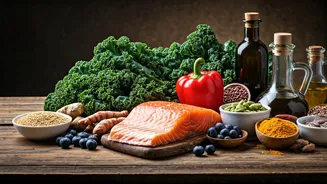
For those aiming to build muscle mass, strategic food choices are paramount, complementing any rigorous training regimen. Protein is the undisputed cornerstone, serving as the building blocks for muscle tissue repair and growth. Lean meats like chicken and turkey breast, fish such as salmon and tuna, and plant-based sources like lentils, beans, and tofu are excellent options. Incorporating dairy products like Greek yogurt and cottage cheese also provides a substantial protein boost. Beyond protein, complex carbohydrates are vital for energy replenishment, fueling your workouts and aiding in muscle recovery. Whole grains, oats, brown rice, and starchy vegetables like sweet potatoes are ideal choices. Healthy fats play a crucial role in hormone production and overall health, contributing indirectly to muscle development. Avocados, nuts, seeds, and olive oil are beneficial additions to your diet. Remember that consistent protein intake throughout the day, coupled with adequate calorie consumption to support muscle synthesis, is key to achieving your fitness goals. Timing your meals, especially post-workout, to maximize nutrient delivery to your muscles can also be advantageous.
Iron and Vitamin C Synergy
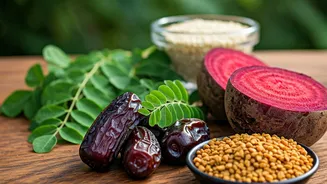
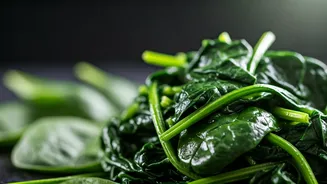
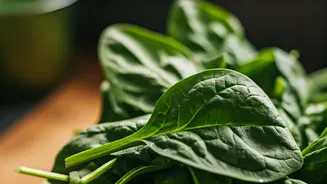
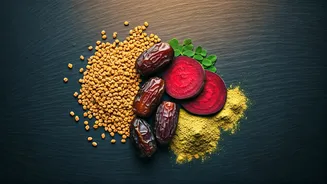
Combating anemia, particularly iron-deficiency anemia, can be significantly aided by understanding the synergistic relationship between iron and vitamin C. Iron is essential for the production of hemoglobin, the protein in red blood cells responsible for transporting oxygen throughout the body. When iron levels are insufficient, the body struggles to produce enough hemoglobin, leading to fatigue, weakness, and impaired cognitive function. Vitamin C, also known as ascorbic acid, plays a crucial role in enhancing the absorption of non-heme iron, which is the type of iron found in plant-based foods. By consuming vitamin C-rich fruits alongside iron-rich foods, you can dramatically increase the amount of iron your body absorbs from your meal. Excellent combinations include citrus fruits like oranges, grapefruits, and lemons paired with lentils or spinach. Strawberries, bell peppers, and tomatoes are also great sources of vitamin C and can be enjoyed with iron-rich dishes. This simple dietary strategy can be particularly beneficial for vegetarians and vegans who may have lower iron intake from their diet. Ensuring adequate intake of both nutrients supports robust red blood cell production and efficient oxygen delivery, contributing to overall vitality and preventing the symptoms of anemia.