



The Journey Reimagined
The way Indians explore their country is undergoing a significant transformation, moving beyond traditional air and rail travel to embrace the open road.
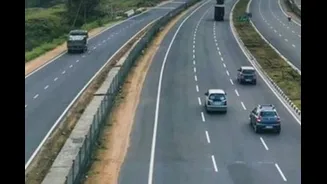
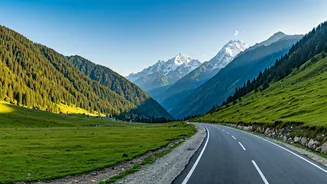
This burgeoning trend of road-based mobility is fundamentally reshaping travel habits, spending patterns, and the very definition of exploration. As disposable incomes rise and the nation's highway infrastructure becomes increasingly sophisticated, travelling by road is transitioning from a practical necessity to a preferred mode of transport for a growing segment of the population. This evolution is particularly noticeable in the demand for short, spontaneous getaways and experiences that offer greater flexibility. The convenience of charting one's own course, stopping at points of interest, and immersing oneself in the changing landscapes offers a distinct advantage over the often rigid schedules of other transport options. This freedom is proving invaluable for accessing emerging tourist circuits, historical routes, pilgrimage sites, charming hill stations, tranquil wellness retreats, and lesser-known rural areas where convenient last-mile connectivity is paramount for attracting visitors. Government initiatives focused on expanding expressways, improving intercity road networks, and developing dedicated tourism corridors are further accelerating this shift, empowering travelers to customize their journeys and venture into offbeat locations previously difficult to reach.
Spontaneity on Wheels
Road travel is increasingly becoming the go-to choice for quick escapes and extended intercity journeys, especially for younger travelers. Enhanced highway networks and smoother connections have made road trips a flexible and cost-effective option. Unlike the fixed schedules of flights or trains, road travel allows for seamless integration of multiple destinations into a single trip, opening up opportunities for smaller towns, less-visited hill stations, religious circuits, and hidden cultural gems. This has been a boon for the hospitality sector, particularly budget accommodations and hostels, as spontaneous 2-4 day trips align perfectly with the hostel lifestyle. Road trips also foster group travel among Gen Z and millennials who value experiences and community over luxury. Essential services for road travelers now include flexible check-ins, secure parking, easy digital booking platforms, and curated local experiences.
Economic Ripple Effect
Beyond the personal enjoyment of road trips, the structural implications for the tourism industry are profound. The rise of organized road mobility, including dependable intercity cab services and professional fleet operators, significantly boosts safety, reliability, and overall convenience. This organized approach greatly enhances the travel experience, particularly for families, senior citizens, and business travelers. Furthermore, it generates a significant multiplier effect, stimulating economic activity and job creation in smaller towns and rural areas. The increased footfall from road-based tourism directly benefits a wide range of local businesses, from roadside eateries and fuel stations to small tour operators, artisans, and providers of unique local experiences. The ongoing expansion of highways and the development of tourism corridors by the government are positioning the road transportation ecosystem as a powerful engine for regional growth and employment generation across India.
A Fundamental Shift
The burgeoning popularity of road mobility signifies a fundamental evolution in the travel behavior of Indian consumers. Travel is increasingly perceived as a dynamic, adaptable, and personalized experience rather than a rigid, pre-arranged package. As India's domestic tourism sector continues its upward trajectory, road travel will remain a critical component in fulfilling the travel aspirations of its people. Businesses that can effectively cater to the needs of road travelers—offering convenience, flexibility, safety, and opportunities for authentic local immersion—are poised for significant success. Ultimately, road mobility is not merely a means of transportation; it is actively shaping how India travels, how its citizens spend their leisure time, and how they discover the diverse destinations within their own country. The highway has evolved beyond its infrastructure role, becoming a vital corridor that connects metropolitan centers with burgeoning cities, travelers with undiscovered locales, and aspirations with tangible access, laying a foundational element for India's expanding tourism economy.